
The Limits of Magic
The Tales of Beedle the BardThis flow traces the collection’s repeated distinction between magical power and the limits that neither skill nor desire can erase.
increasing Bearing strength in each event
 decreasing
Bearing strength in each eventdecreasingMagic Creates Trouble
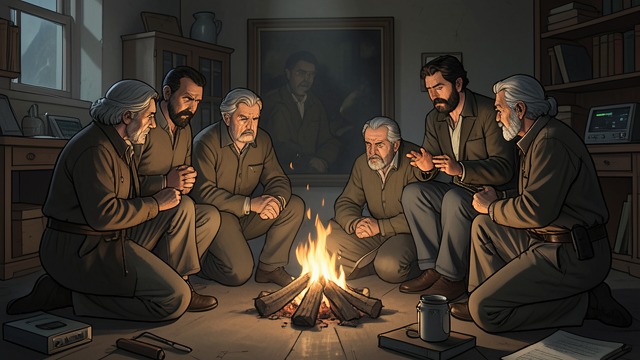
Magic Creates Trouble
Power is no exemption
The introduction argues that magical people face problems as difficult as those faced by anyone else.
Cure and cause intertwined
Magic can solve troubles, but it can also create them.
That paradox sets the interpretive frame for the tales.
A Pot That Cannot Be Silenced
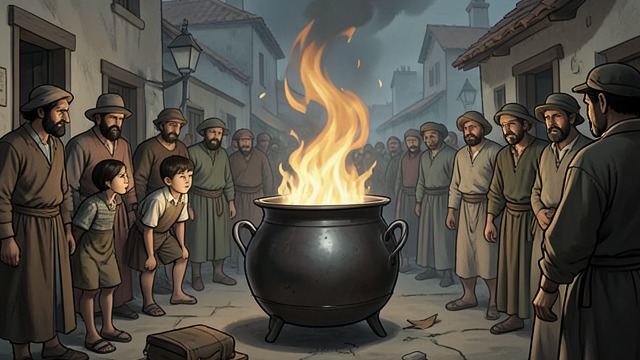
A Pot That Cannot Be Silenced
Complication rather than cure
The Hopping Pot becomes noisier and more afflicted as the son ignores those who need help.
Responsibility restored
His ordinary spells cannot remove the moral problem.
He must act for the villagers before the pot becomes peaceful.
The Fountain Has No Spell
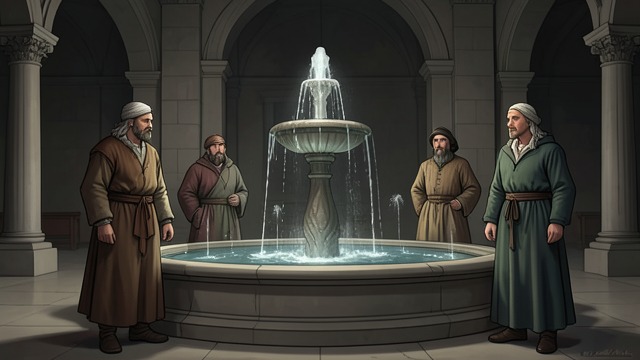
The Fountain Has No Spell
A mistaken reward
The four companions believe the Fountain has granted fortune, but its water carries no enchantment.
Changes already achieved
Healing, honest effort, relinquished regret, and generosity have altered their lives.
The story locates good fortune in human action, not magical water.
The Dead Stay Dead
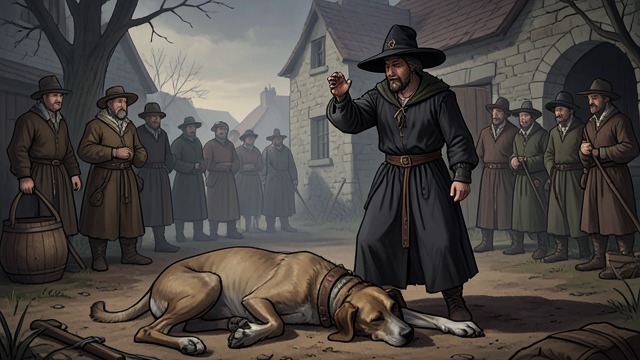
The Dead Stay Dead
A boundary exposed
Babbitty does not attempt to revive the dead hound because magic cannot raise the dead.
Grief remains real
Dumbledore connects this limit to wizarding attempts to simulate continued presence without restoring life.
The boundary protects the distinction between remembrance and return.
Death Cannot Be Defeated
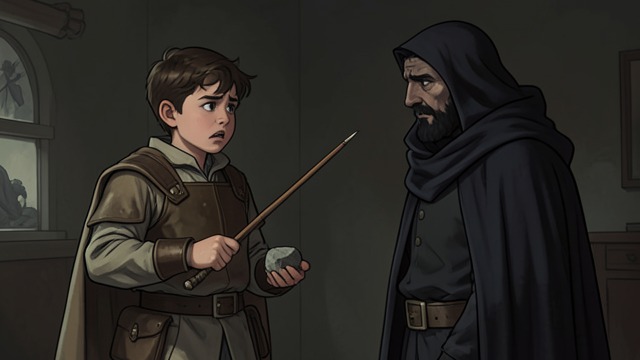
Death Cannot Be Defeated
Temptations named
The wand, stone, and cloak answer desires for power, lost love, and safety.
Acceptance over mastery
The youngest brother merely postpones his meeting with Death and finally accepts it.
The collection treats mortality as a limit to live with, not a puzzle to conquer.
At the introduction’s central claim
After the son refuses the villagers
After the travelers leave the garden
At the King’s demand to revive the hound
In Dumbledore’s final analysis of the Three Brothers
