
How Dumbledore Reads the Wand
The Tales of Beedle the BardThis flow follows Dumbledore’s historical account of the Elder Wand legend and his warning about the desire for power.
increasing Bearing strength in each event
 decreasing
Bearing strength in each eventdecreasingThe Tale Becomes a Legend
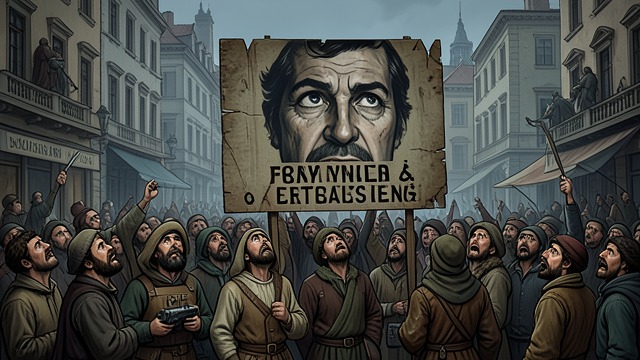
The Tale Becomes a Legend
A reversed lesson
Some readers claim the three gifts are real objects and together confer mastery over Death.
Hope against the text
Dumbledore notes that this belief contradicts the brothers’ disastrous experiences.
The legend thrives because its promise is more tempting than its warning.
A Wand’s Reputation
A Wand’s Reputation
Claims of supremacy
Wizards have repeatedly claimed to own an unbeatable wand, sometimes said to be made of elder.
Superstition and status
Names such as the Wand of Destiny and Deathstick turn a tool into a symbol of power.
Dumbledore distinguishes recurring claims from proof.
Emeric’s Violence
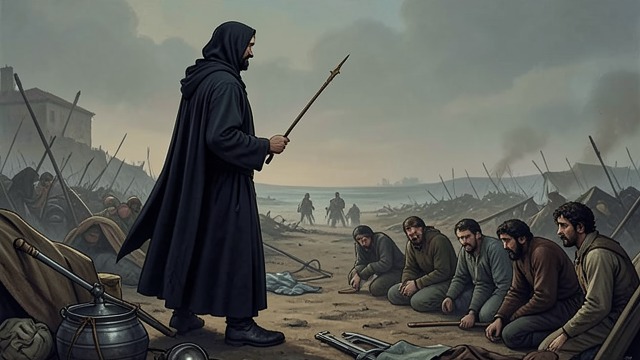
Emeric’s Violence
A dangerous owner
Emeric the Evil uses a powerful elder wand while terrorizing southern England.
A fatal duel
He dies fighting Egbert, demonstrating that a reputedly formidable wand cannot make its owner invulnerable.
Its history begins in violence rather than reliable mastery.
Godelot’s Notebook
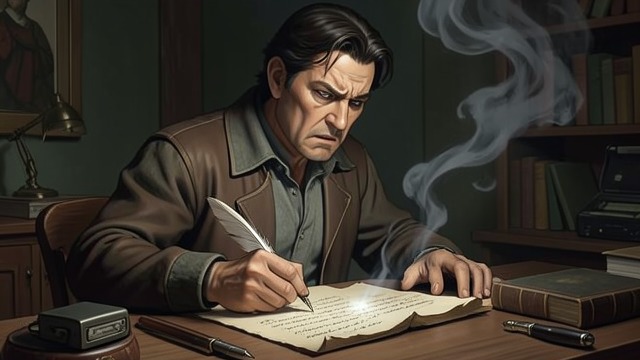
Godelot’s Notebook
A wand as instructor
Godelot describes an elder wand as his wicked and subtle companion while writing dangerous spells.
Expertise accumulated
Dumbledore explains that wands can absorb some habits from users, though imperfectly.
A wand’s history may shape its affinities without guaranteeing obedience.
The Wand Changes Hands
The Wand Changes Hands
A violent succession
Godelot dies imprisoned by his son, Hereward; later owners include Barnabas Deverill and Loxias.
A caution in the record
Each new wielder claims exceptional power, while the wand repeatedly changes hands through violence.
Dumbledore sees the history as evidence of trouble, not invincibility.
In the centuries after Beedle’s tale circulated
Across medieval wizarding history
In the early Middle Ages
About a century after Emeric’s death
From Godelot’s death to the early eighteenth century
