
The King Learns What Magic Cannot Do
The Tales of Beedle the BardThis flow follows the King’s false confidence from attempted self-invention to recognition of magical limits and political responsibility.
increasing Bearing strength in each event
 decreasing
Bearing strength in each eventdecreasingA Royal Ambition
A Royal Ambition
Magic claimed as privilege
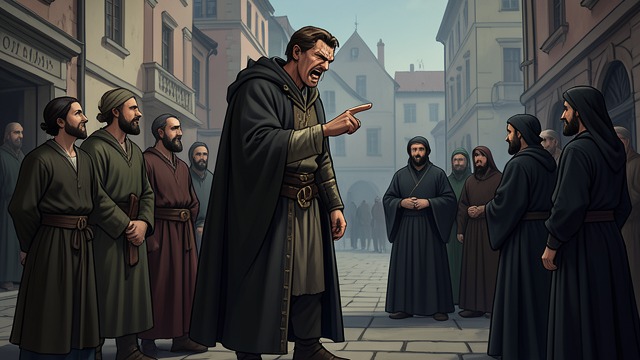
The King decides that he alone should have magical power.
Persecution deployed
He establishes a witch-hunting force and seeks an instructor.
His desire to possess magic is paired with hostility toward those born able to use it.
Lessons with a Twig
Lessons with a Twig
A counterfeit education
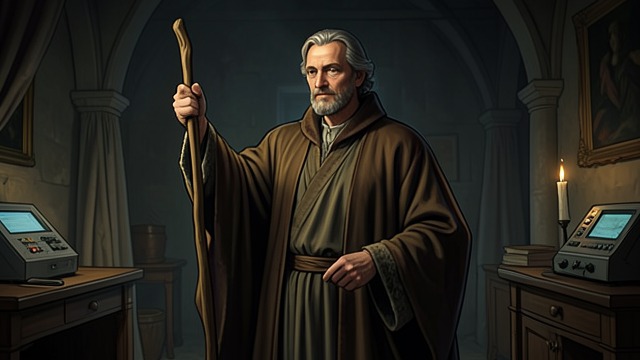
The charlatan supplies a twig and has the King wave it while reciting nonsense.
Confidence manufactured
Tricks persuade the King that he is progressing.
He mistakes performance and equipment for an innate magical ability.
A Public Promise
A Public Promise
Impatience takes control
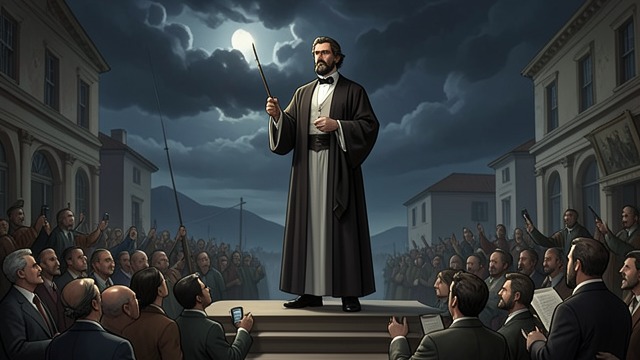
The King announces that he will perform real magic before his subjects the next morning.
The fraud cornered
He threatens the charlatan with execution if the demonstration fails.
The King’s vanity converts his own deception into a crisis.
The Dead Cannot Rise
The Dead Cannot Rise
Borrowed success
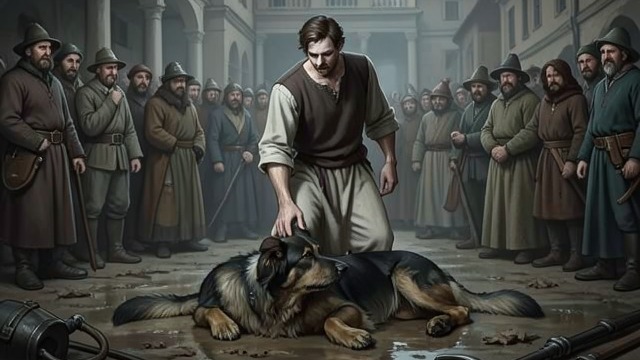
The King’s first feats work only because Babbitty casts the spells from hiding.
A limit made public
The dead hound remains dead, and the crowd recognizes the earlier tricks.
The King’s imagined mastery ends at a boundary magic cannot cross.
Power Turned to Protection
Power Turned to Protection
Fear replaces arrogance
The King accepts Babbitty’s warning that harm to witches and wizards will carry a terrible cost.
A public change
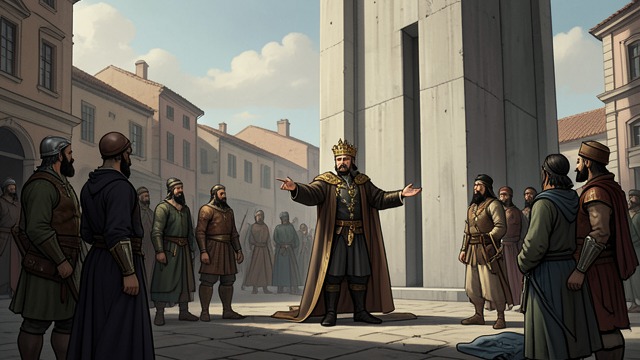
He promises a proclamation protecting magical people and permitting them to practice in peace.
His authority, once used for persecution, becomes a means of redress.
At the opening of Babbitty Rabbitty
During the King’s daily practice
The day before the court assembles
During the royal display
After Babbitty threatens the King from the stump
