
Magic and Its Unequal Uses
The Tales of Beedle the BardThis flow contrasts beneficial, deceptive, and coercive uses of magic across the collection’s stories.
increasing Bearing strength in each event
 decreasing
Bearing strength in each eventdecreasingCareful Healing
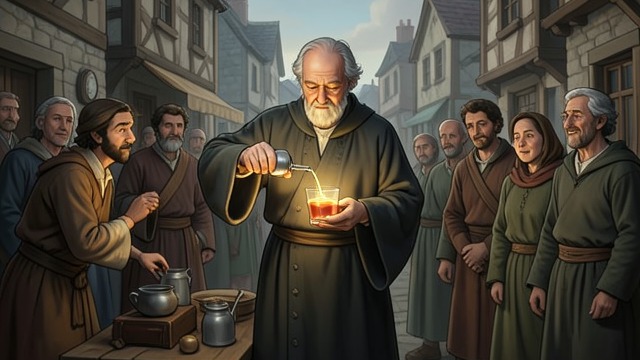
Careful Healing
Magic offered freely
The old wizard uses potions and charms to resolve neighbors’ troubles.
Power made practical
He does not demand payment or claim authority over those he helps.
His conduct establishes a model of magic as service.
Refusal Makes Harm
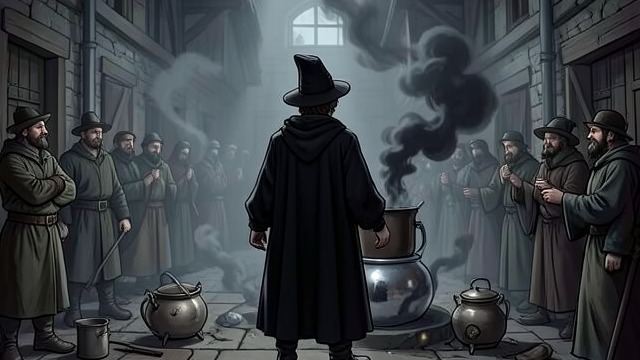
Refusal Makes Harm
Need ignored
The wizard’s son turns away people asking for help.
Magic becomes accusation
The pot gathers the effects of their suffering and forces him to confront them.
The story shows that possessing ability creates responsibility, even when it is inconvenient.
The Charlatan’s Deception
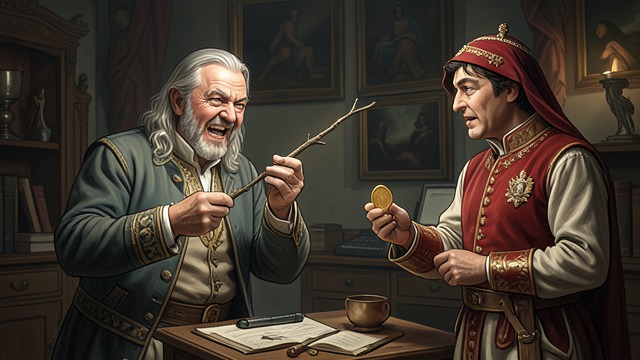
The Charlatan’s Deception
Illusion sold as mastery
The charlatan performs tricks and lets the King believe his twig is a powerful wand.
Power used for profit
He takes the King’s treasure and then uses Babbitty as an unwilling accomplice.
The fraud exploits ambition rather than helping anyone learn.
The Warlock’s Self-Harm
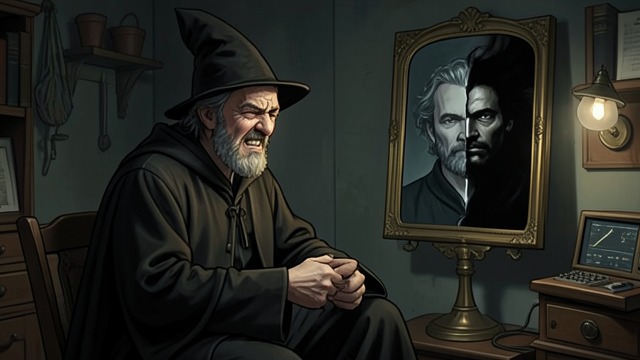
The Warlock’s Self-Harm
Magic turned inward
The warlock uses Dark Arts to separate himself from emotional vulnerability.
Security undermined
The act makes him less capable of understanding others and ultimately contributes to violence.
Power without humane judgment damages the person who wields it.
Knowledge with Caution
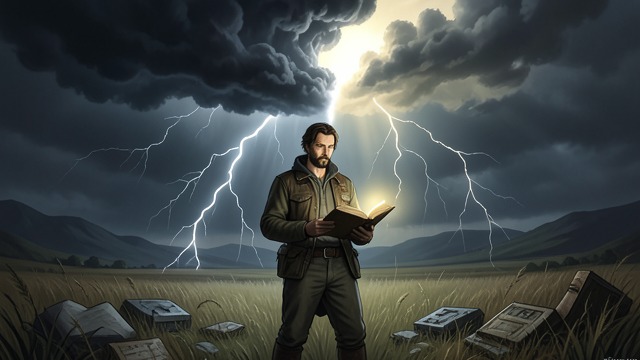
Knowledge with Caution
Understanding has risks
Dumbledore’s closing reflection invokes truth as something beautiful and terrible that demands care.
Wisdom includes limits
The stories repeatedly show that ability cannot solve every problem and may worsen it when used arrogantly.
The frame asks readers to seek understanding without mistaking it for unlimited control.
During the old wizard’s life
During the son’s early refusals
During the King’s training
When the warlock first removes his heart
At the end of Dumbledore’s commentary
