
The Debate Over the Three Gifts
The Tales of Beedle the BardThis flow traces the gap between the tale’s moral and the persistent belief that its gifts can make someone master of Death.
increasing Bearing strength in each event
 decreasing
Bearing strength in each eventdecreasingA Plain Moral
A Plain Moral
Different outcomes
Two brothers die through their attempts to dominate death or recover what it has taken.
A modest survival
The youngest delays his meeting with Death and ultimately accepts it.
The contrast makes the story’s warning direct.
A Reversed Interpretation
A Reversed Interpretation
Mastery promised
A legend claims that gathering all three gifts makes a person master of Death.
Evidence resisted
The legend persists despite the dangers and losses described in the tale.
Dumbledore reads it as wishful thinking, not hidden instruction.
The Cloak’s Rarity
The Cloak’s Rarity
Ordinary invisibility has limits
Many cloaks exist, but they may wear out or be countered by revealing charms.
A missing unique object
No one has convincingly claimed Death’s exceptionally durable cloak.
The gap between common concealment and legendary perfection sustains speculation.
No Return from Death
No Return from Death
The stone’s promise tested
The second brother’s beloved appears, but she has not truly returned to life.
Imitation rejected
Inferi are described as puppets, not restored people.
The account refuses to confuse a magical image or imitation with reunion.
Temptation Acknowledged
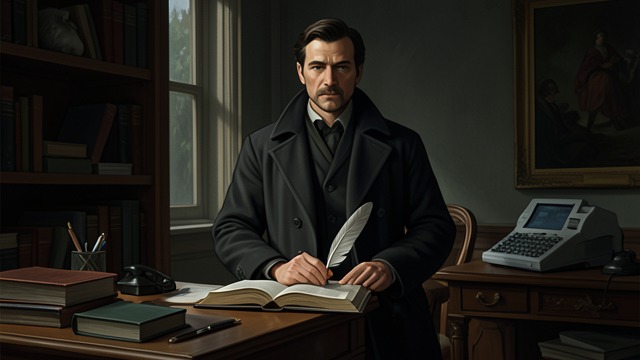
Temptation Acknowledged
Desire remains human
Dumbledore admits that even he would find it easiest to refuse the Invisibility Cloak.
Humility restored
His confession prevents the analysis from becoming a claim of superiority.
The tale’s lesson applies to readers who understand it as well as those who misread it.
At the end of the Three Brothers’ story
In later wizarding belief
Across the centuries after Beedle’s day
In Dumbledore’s commentary on the stone
At the end of Dumbledore’s reflection
