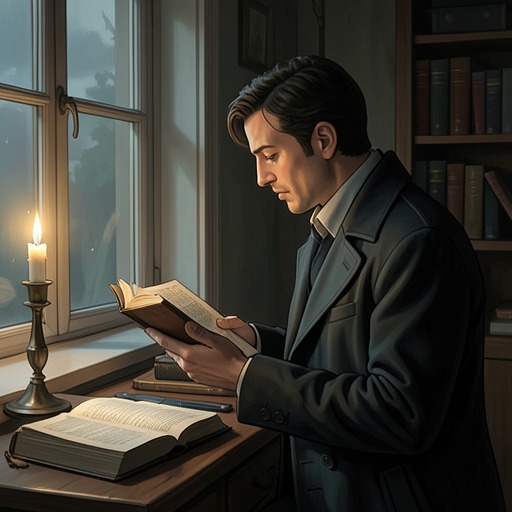
To hurt is as human as to breathe
The Tales of Beedle the Bard“To hurt is as human as to breathe” is Albus Dumbledore’s concise statement of the limit that the warlock in “The Warlock’s Hairy Heart” tries to deny. In Dumbledore’s interpretation, vulnerability is not a flaw that magic can remove: physical, mental, and emotional injury belong to life, and the pursuit of invulnerability is a foolish fantasy.
Meaning and Context
Dumbledore presents the expression while discussing why the tale has endured. Though it is Beedle the Bard’s grimmest story and some parents delay sharing it with children for fear of nightmares, Dumbledore argues that its lasting force comes from its attention to the dark depths within people and to magic’s temptation to promise invulnerability.
The statement broadens the tale’s warning beyond its young warlock. No person, magical or otherwise, has escaped some form of injury, Dumbledore observes; pain is as ordinary and inseparable from life as breathing. The phrasing makes vulnerability a shared human condition rather than a particular weakness of the story’s protagonist.
The Warlock’s Refusal of Vulnerability
The warlock regards falling in love as a threat to comfort and security. He sees love as humiliation, weakness, and a drain on emotional and material resources, and does not merely seek a controllable imitation of love: he wants to remain untouched by what he considers a sickness. His attempt to exclude pain therefore begins as an attempt to reject the vulnerability that love entails.
He uses Dark Magic to lock away his own heart, an act possible in the story’s world but no solution to the human condition Dumbledore describes. The expression supplies the interpretive counterpoint: refusing emotional exposure cannot make a person truly invulnerable. The warlock’s choice turns the desire for safety into a destructive denial of what it means to live and feel.
Place in Beedle’s Moral World
The expression also accords with the broader moral framework Dumbledore attributes to Beedle’s tales. Their magical characters can perform wonders yet find their problems no easier to solve than those of non-magical people; the stories teach that magic causes as much trouble as it cures. In that framework, the warlock’s power cannot exempt him from the limits of existence.
Where the first tales drew criticism for their messages of generosity, tolerance, and love, “The Warlock’s Hairy Heart” survived for centuries largely unchanged. Dumbledore connects that endurance to its recognition of a temptation that remains intelligible: the wish to escape vulnerability altogether. The saying names the limit that wish refuses to accept.