
A Narrative of Betrayal and Verification
The Tenant of Wildfell HallThe movement from rumor to firsthand proof and finally to documentary truth distinguishes suspicion, testimony, and knowledge in the novel’s central relationships.
increasing Bearing strength in each event
 decreasing
Bearing strength in each eventdecreasingRumor Without a Source
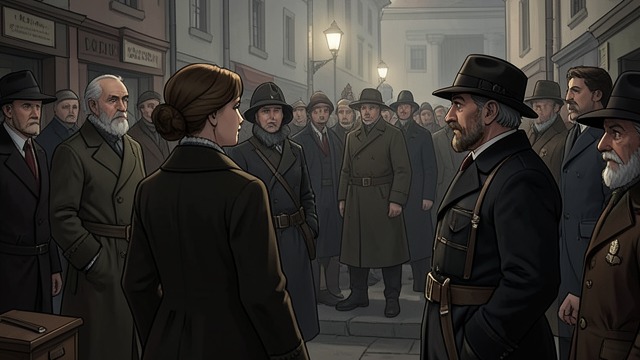
Rumor Without a Source
An unnamed accusation
Eliza Millward hints at reports about Helen but initially refuses to state them clearly. The vagueness lets her provoke Gilbert while avoiding responsibility for a definite claim.
Suspicion spreads
Other neighbours add guesses about Helen’s child and her landlord. Each repetition makes the story seem more credible, though no one can identify reliable evidence.
Gilbert Trusts What He Sees

Gilbert Trusts What He Sees
A fragment overheard
Gilbert hears Helen and Frederick Lawrence speak privately about leaving and sees them together. He assumes their intimacy is romantic because he does not know they are siblings.
The danger of certainty
He believes the evidence of his senses is complete and refuses to consider missing context. His error shows that firsthand observation can still mislead when interpretation is driven by jealousy.
The Manuscript Challenges the Inference

The Manuscript Challenges the Inference
A fuller account
Helen’s diary identifies Frederick Lawrence as her brother and explains the circumstances behind her secret life. Gilbert’s central assumption is disproved by the very evidence he had not sought.
A changed standard
The manuscript teaches Gilbert that a confident inference is not the same as truth. He must examine the source of his belief and take responsibility for acting before he knew.
The Servant’s Tale Reaches Gilbert

The Servant’s Tale Reaches Gilbert
A new allegation
Eliza Millward reports that Helen has supposedly returned to Arthur Huntingdon, relying on a servant who heard another servant’s account. The chain of hearsay offers no direct confirmation.
Verification sought
Gilbert does not dismiss the possibility, but he goes to Frederick Lawrence to establish what happened. His anxiety remains intense, yet his response now includes checking the story before deciding what it means.
Knowledge Arrives in Letters

Knowledge Arrives in Letters
Testimony shared carefully
Frederick Lawrence shows Gilbert Helen’s letters about Arthur’s illness and her return to Grassdale. The letters provide a record of motive and action that rumours could not supply.
A more responsible reader
Gilbert reads them as a trusted friend rather than treating them as gossip for circulation. The novel’s documentary layers reward patience and distinguish private testimony from public accusation.
Spring 1828
Summer 1828
Autumn 1828
Late 1828
During Arthur Huntingdon’s illness and after his death
