
The Burden of Witnessing
The Tenant of Wildfell HallThe novel examines how witnessing abuse, betrayal, and suffering creates duties to speak, while also demanding restraint about another person’s private life.
increasing Bearing strength in each event
 decreasing
Bearing strength in each eventdecreasingThe Neighbours Watch

The Neighbours Watch
Observation becomes intrusion
The residents of Linden-Car monitor Helen’s visits, child, and household. Their attention is not neutral: they turn what they see into stories about her character.
Witnesses without understanding
The village’s confidence shows that observation alone does not create knowledge. The novel distinguishes seeing a detail from understanding the life that gives it meaning.
The Vicar’s Intervention

The Vicar’s Intervention
A claimed duty to speak
Michael Millward confronts Helen because he believes a pastor must address suspected wrongdoing. He treats the reports he has heard as material he is obliged to repeat.
Harmful certainty
His intervention injures Helen without uncovering the truth. The episode warns that a claimed moral duty can become cruelty when it is not disciplined by evidence and humility.
Helen Witnesses Her Husband
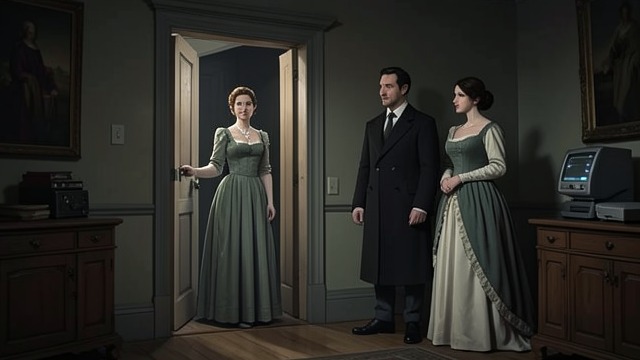
Helen Witnesses Her Husband
Firsthand evidence
Helen sees Arthur Huntingdon with Lady Lowborough and hears their exchange herself. Unlike the rumours about her, this is a discovery grounded in direct observation.
A witness’s silence
Helen delays telling Lord Lowborough, hoping the affair will end and wishing to spare him pain. Her choice is compassionate but leaves another person in ignorance, a decision she later regrets.
Gilbert Becomes Accountable
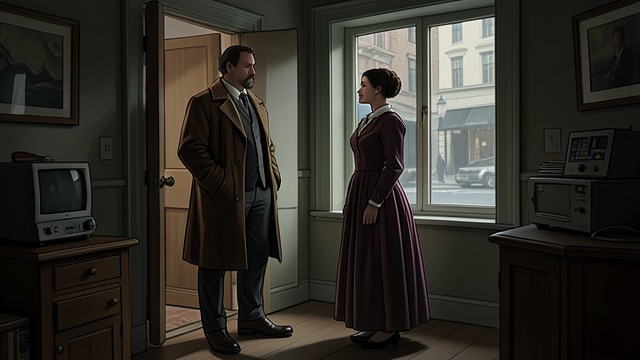
Gilbert Becomes Accountable
A partial witness
Gilbert had seen and heard enough to form a story, but not enough to know the truth. His mistake shows how rapidly a witness can turn a fragment into a verdict.
Correction and apology
He learns to ask rather than assume and apologizes to Frederick Lawrence for the harm he caused. His changed response makes witness-bearing a responsibility to verify, not merely to report.
Private Letters as Testimony

Private Letters as Testimony
A record of care
Helen’s letters to Frederick describe Arthur’s illness and her efforts to nurse him. Gilbert sees them only because Frederick chooses to share them.
Limits on disclosure
The letters make Helen’s suffering legible without erasing her right to privacy. Their use contrasts with the village’s gossip: one is a trusted, limited disclosure; the other is careless circulation.
Autumn 1827
Early summer 1828
October 1824
After reading Helen’s account
During Arthur Huntingdon’s illness
