
The Narrative of Concealment and Discovery
The Tenant of Wildfell HallFalse names, guarded correspondence, and incomplete testimony both protect Helen and create the misunderstandings that shape Gilbert’s story.
increasing Bearing strength in each event
 decreasing
Bearing strength in each eventdecreasingA Name Concealing the Past

A Name Concealing the Past
A chosen identity
Helen Graham uses her mother’s maiden name when she settles at Wildfell Hall. She also labels a painting with a false place name so acquaintances cannot trace her home.
Safety through secrecy
Concealment allows her to live apart from Arthur Huntingdon and support her son. But the false identity also leaves neighbours free to invent explanations for what she will not disclose.
The Hidden Portrait
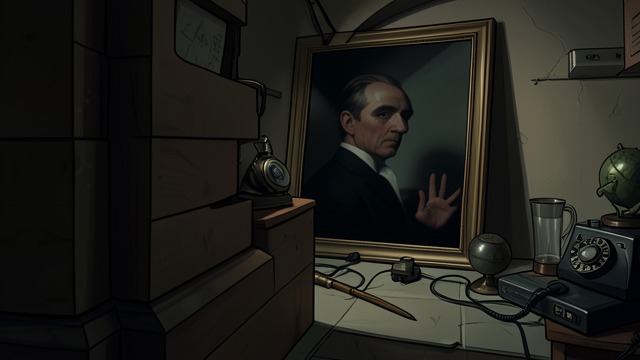
The Hidden Portrait
An object withheld
Gilbert finds a portrait of a handsome man turned toward the wall and asks Helen about it. She is angry because the image belongs to a part of her life she is not prepared to reveal.
Clues without context
The portrait becomes an early sign that Helen’s history is more complicated than the village suspects. Its concealment protects her privacy but also feeds Gilbert’s curiosity.
Rumors Replace Explanation
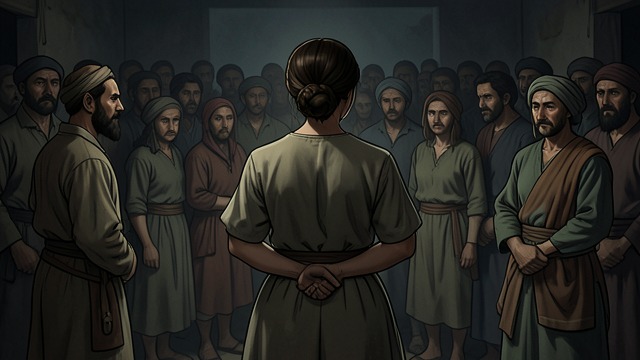
Rumors Replace Explanation
The village supplies a story
As Helen keeps her past private, neighbours interpret her child and her landlord’s visits as signs of scandal. They repeat speculation in the language of concern for morality.
Gilbert’s error
Gilbert initially resists but then misreads an overheard conversation as proof of an affair. The novel shows how incomplete evidence and social gossip reinforce each other.
The Manuscript Reveals the Truth

The Manuscript Reveals the Truth
A guarded disclosure
Helen gives Gilbert her diary only after he asks what evidence has turned him against her. The manuscript explains her marriage, her child, and the reasons for her escape.
Privacy becomes testimony
What had been hidden to protect her now becomes necessary for Gilbert to understand her. The disclosure corrects his assumptions without making her life public property.
Rumors Re-enter the Story
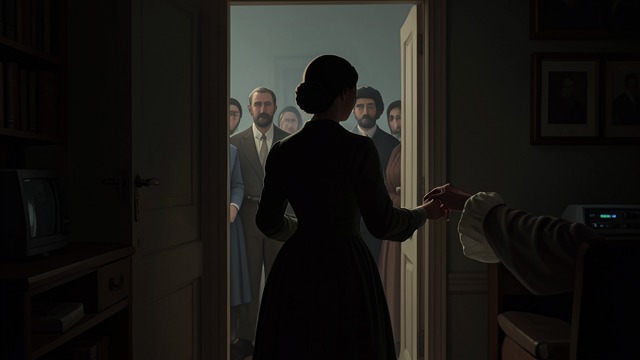
Rumors Re-enter the Story
A report changes shape
Eliza Millward passes along a servant’s claim that Helen has returned to her husband and reconciled with him. The report is uncertain, yet it immediately revives Gilbert’s fear of losing her.
Verification over reaction
Gilbert hurries to Frederick Lawrence instead of accepting the story at face value. This time he seeks clarification before acting, a small but important change in how he handles uncertainty.
Autumn 1827
During Gilbert’s first visit to the studio
Spring 1828
Autumn 1828
Late 1828, after Helen returns to Grassdale
