
Addiction and the Illusion of Moderation
The Tenant of Wildfell HallArthur Huntingdon and Lord Lowborough expose different paths through addiction, showing how moderation can conceal either denial or genuine restraint.
increasing Bearing strength in each event
 decreasing
Bearing strength in each eventdecreasingA Debate About Drink
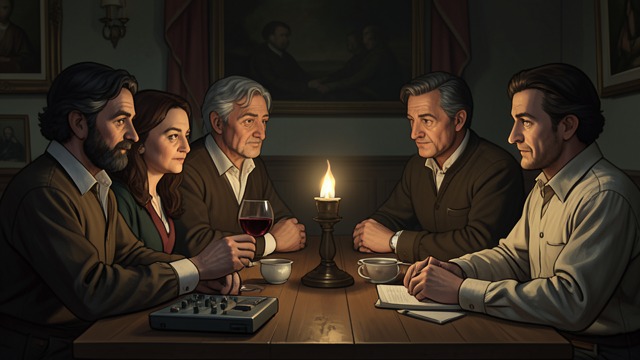
A Debate About Drink
Restraint questioned
Mrs. Markham and Michael Millward criticize Helen’s decision to make alcohol repellent to her son. Mr. Lawrence counters that complete prohibition may intensify curiosity, especially in a child with inherited risk.
A social blind spot
The debate takes place among people who drink freely and treat alcohol as a blessing. Their confidence in moderation is not tested against the behaviour of those already vulnerable to excess.
Lowborough’s Repeated Vows
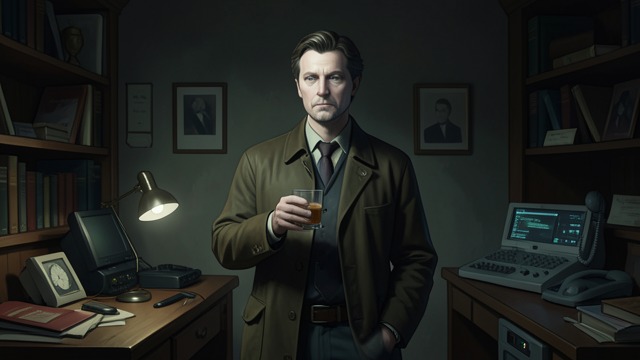
Lowborough’s Repeated Vows
One compulsion replaces another
Lord Lowborough struggles first with gambling and then with drink, each time vowing to stop. Arthur Huntingdon and their companions repeatedly undermine his attempts and call their encouragement kindness.
The cost of false moderation
Lowborough’s lapses show that a doctrine of casual moderation can become an excuse for people who cannot safely drink. His eventual sobriety requires both self-knowledge and distance from those who tempt him.
Arthur’s Denial of Dependence
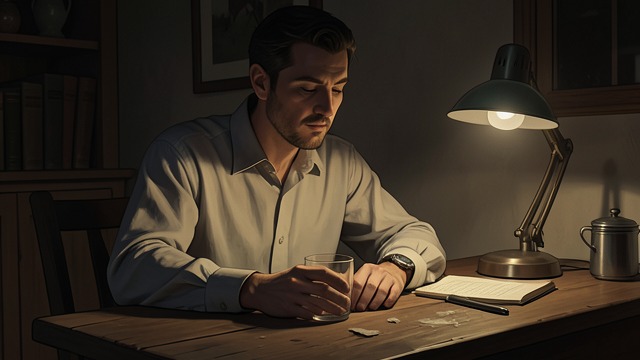
Arthur’s Denial of Dependence
Pleasure defended as choice
Arthur Huntingdon insists that he is not a habitual drinker and presents his excesses as compatible with comfort and good sense. He treats Helen’s warnings as nagging and regards bodily consequences as temporary inconveniences.
Harm made ordinary
His guests normalize his drinking and laugh at the damage it causes. The social circle helps turn a personal weakness into a shared pattern of irresponsibility.
Relapse During Recovery
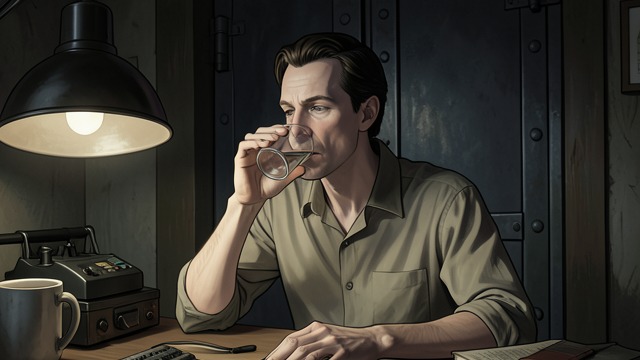
Relapse During Recovery
Restrictions resented
While ill, Arthur is required to follow medical restrictions, but as his pain eases he returns to drinking. He accuses Helen of trying to control him when she attempts to dilute his wine.
A fatal consequence
Arthur drinks heavily despite his weakened condition, and the illness worsens. His relapse demonstrates the difference between temporary abstinence under pressure and a changed attitude toward addiction.
The Final Reckoning
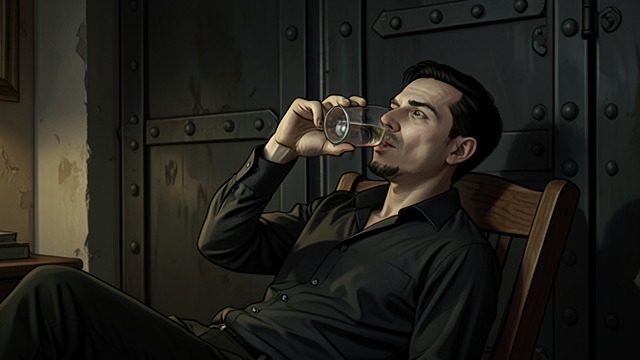
The Final Reckoning
The body’s limits
Arthur’s long indulgence has left him unable to withstand the effects of renewed drinking. As his condition becomes fatal, the physical consequences he dismissed can no longer be postponed.
Moral awareness too late
Near death, he expresses regret that he ignored Helen, but fear prevents him from finding steady faith. The novel links addiction to moral responsibility without claiming that suffering itself guarantees repentance.
At the Markham gathering, autumn 1827
Before the marriage of Helen and Arthur
During his marriage to Helen
Late 1827
Late 1828
