
Women’s Autonomy Against Marital Power
The Tenant of Wildfell HallThrough Helen’s escape, work, and return, the novel examines the practical and moral barriers facing a wife who seeks to protect herself and her child.
increasing Bearing strength in each event
 decreasing
Bearing strength in each eventdecreasingA Wife Expected to Submit

A Wife Expected to Submit
Custom as an argument
Helen’s relatives and neighbours assume that a wife should remain with her husband, even when affection has vanished. Michael Millward treats separation as a violation of duty except under narrowly defined conditions.
The rule’s human cost
Such expectations give public respectability more weight than a woman’s daily experience. Helen’s diary asks whether marriage can still be called a moral bond when one partner betrays and controls the other.
Economic Control at Grassdale
Economic Control at Grassdale
Dependence enforced
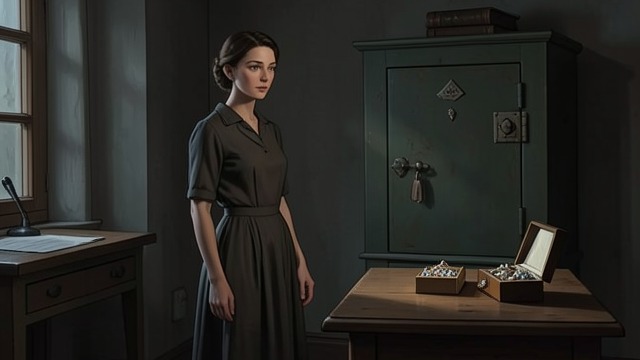
Arthur Huntingdon limits Helen’s access to money and later seizes her jewels after finding her plan to leave. His power over household resources makes the decision to escape materially dangerous.
Autonomy requires means
Helen recognizes that moral courage is not enough: she needs fares, income, and a plan to support her son. The conflict exposes the way financial dependence can confine women within harmful marriages.
Escape as a Moral Choice

Escape as a Moral Choice
Protection over appearance
Helen leaves Grassdale because she believes her son’s safety and moral education are at risk. She accepts the social label of a runaway wife rather than allow convention to decide her child’s future.
Agency with consequences
Her departure brings secrecy, poverty, and public suspicion. The novel refuses to treat autonomy as effortless, but insists that Helen can make a reasoned choice against social pressure.
Care Without Surrender
Care Without Surrender
Returning by choice
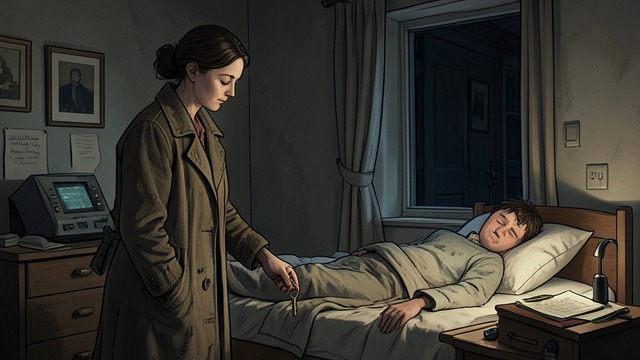
Helen goes back to Grassdale when Arthur Huntingdon is gravely ill and alone. Her return demonstrates that a wife’s refusal of conjugal submission does not require indifference to another person’s suffering.
Rights made explicit
She obtains a written agreement protecting her freedom to leave with her son. Practical safeguards let her provide care without surrendering the agency she had fought to regain.
Inheritance and Self-Determination
Inheritance and Self-Determination
New practical security
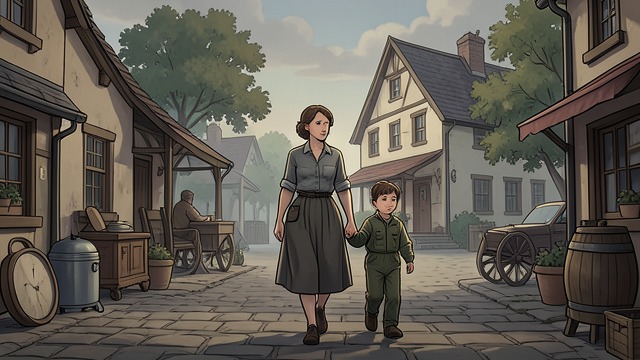
Helen inherits property after her uncle’s death and can make choices without depending on her late husband’s estate alone. She returns to Staningley, a place linked to family rather than coercion.
A chosen partnership
When she marries Gilbert, the decision is no longer shaped by fear of poverty or pressure to obey. Her second marriage presents companionship as compatible with a woman’s independence.
The early years of Helen’s marriage
1824–1827
Late 1826 to October 1827
Late 1827
After Arthur Huntingdon’s death
