
The Novel’s Debate Over Female Virtue
The Tenant of Wildfell HallThrough Helen’s conduct and the village’s response, the novel challenges the idea that female virtue requires ignorance, endurance, and silence.
increasing Bearing strength in each event
 decreasing
Bearing strength in each eventdecreasingA Woman Expected to Be Ignorant
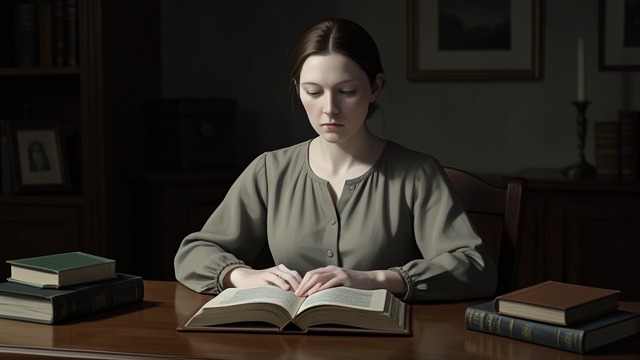
A Woman Expected to Be Ignorant
Unequal education
Gilbert’s theory assumes that boys gain virtue through exposure to danger while girls remain virtuous by knowing little about vice. Helen challenges the claim that the sexes require different moral preparation.
Knowledge as protection
She argues that girls need the means to recognize traps and judge conduct. The debate frames education as an issue of freedom and safety, not merely refinement.
Silence Mistaken for Guilt
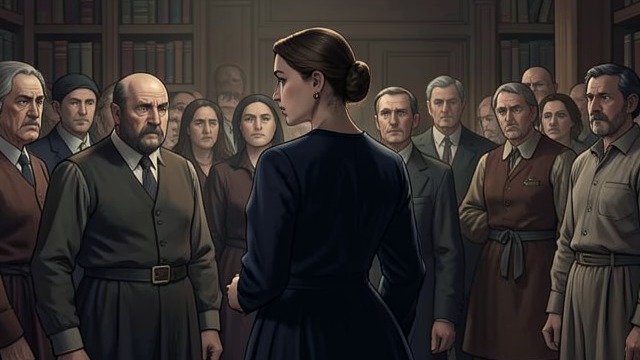
Silence Mistaken for Guilt
A private woman judged
Helen’s reluctance to explain her past is treated as evidence that she has something shameful to conceal. The village values the appearance of openness more than the reasons she might need privacy.
A double standard exposed
Arthur Huntingdon’s sexual misconduct is excused as male weakness, while Helen’s unverified reputation is condemned as a moral danger. The imbalance shapes the threats she faces at Wildfell Hall.
Marriage and Female Obedience
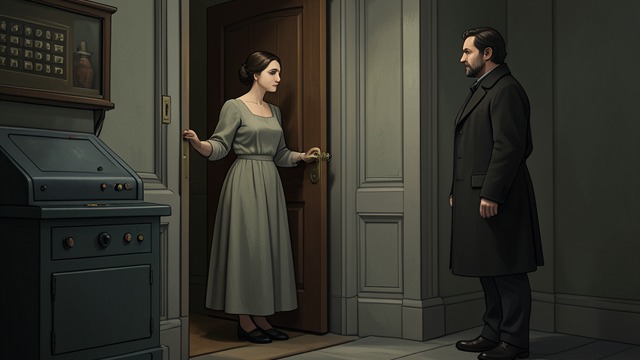
Marriage and Female Obedience
A disputed duty
Helen’s neighbours argue that a wife should remain with her husband despite his betrayal. She rejects a version of duty that would leave her son under damaging influence.
Agency asserted
Her departure makes her vulnerable to slander, but it also demonstrates that she can act on moral judgment rather than obey convention blindly. The novel measures virtue by conduct, not by submission alone.
The Artist’s Independence

The Artist’s Independence
Work beyond marriage
Helen earns money by painting and manages a household without the social status of a conventional wife. Her art gives her an alternative to financial dependence on Arthur Huntingdon.
Labour and dignity
She sees honest work as a source of self-respect, even when it is difficult and poorly paid. Her example challenges the assumption that a gentlewoman must rely on a husband or male relative.
A Virtue Freely Exercised
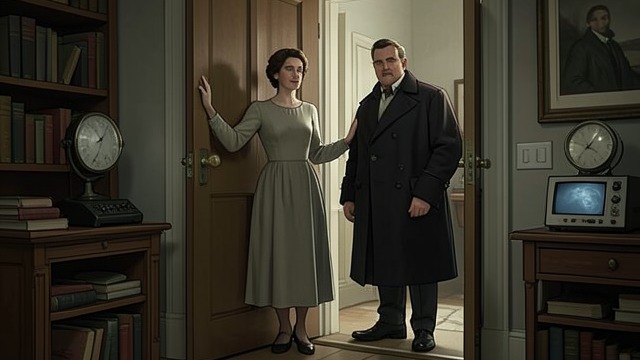
A Virtue Freely Exercised
Choice after hardship
Helen enters her second marriage only after her first husband is dead and she can make an uncoerced decision. Her affection for Gilbert is openly acknowledged, rather than hidden behind a socially convenient story.
A revised ideal
The ending presents female virtue as compatible with desire, judgment, work, and personal choice. Helen’s life challenges a culture that treats a woman’s obedience as the only proof of goodness.
Early in Helen and Gilbert’s acquaintance
Spring 1828
After Helen’s affair discovery
At Wildfell Hall, 1827
Helen’s reunion and marriage at Staningley
