Alice Myers
The Tenant of Wildfell HallAlice Myers is a former companion of Arthur Huntingdon whose departure from Grassdale and return during his grave illness reveal both his dependence on her and the disorder left in his household. Seen largely through Helen Huntingdon’s account and Arthur’s confused speech, Alice remains a partially obscured figure; that limited perspective makes her presence less a separate portrait than a measure of the emotional and domestic consequences of Huntingdon’s conduct.
Identity and Place in the Household
Alice Myers is also referred to as Miss Myers. She had been part of Arthur Huntingdon’s intimate circle at Grassdale, but she left him some time before his illness. The novel does not supply a full account of her background or of the circumstances of her departure. Helen later tells her brother Frederick that Miss Myers had left Huntingdon, establishing Alice’s absence as a fact relevant to the household’s condition when Helen returns.
Departure and Return
When Huntingdon falls ill after a riding accident, Helen is informed that Alice has left him. Helen denies having advised Alice to go, though she says she detests Huntingdon and would have taken greater pleasure in his reformation than in his death. Her distinction matters: Alice’s departure is not presented as Helen’s intervention, even though Helen has powerful reasons to oppose the man who has wronged her.
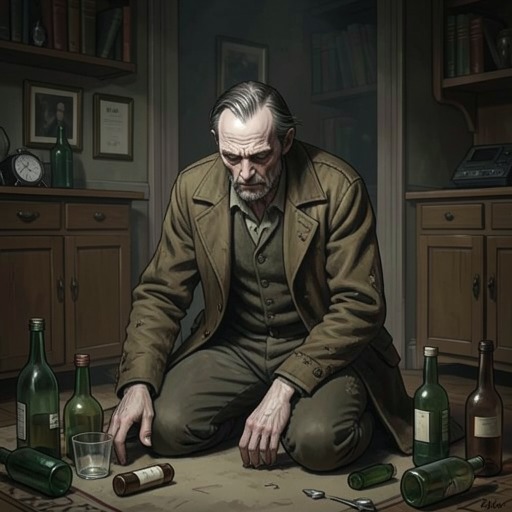
Helen returns to Grassdale and finds the household in disarray, with servants gone. Alice’s earlier departure is part of that wider collapse. The available account gives no scene of Alice leaving and no explanation in her own voice; instead, her absence is established before Helen’s difficult return to nurse the man who had harmed her.
Huntingdon’s Misrecognition
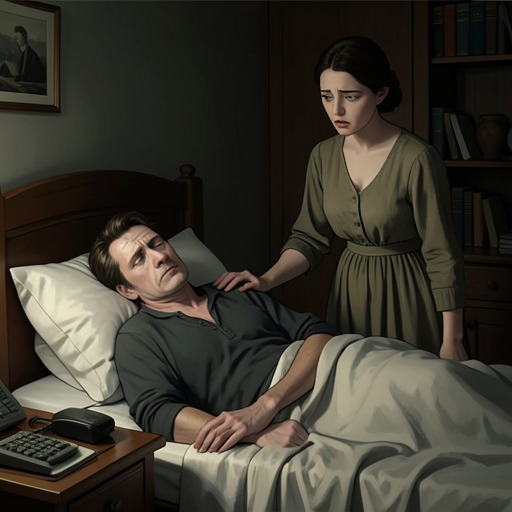
During his illness, Huntingdon mistakes Helen for Alice. On the night Helen arrives, he is in a half-delirious state and asks Alice why she left him. Helen identifies herself as his wife, but he reacts with alarm and tells her not to mention his wife. His confusion makes Alice’s place in his mind unmistakable: even when Helen is physically present as his caregiver, Huntingdon’s feverish speech reaches for the absent woman.
The misrecognition recurs as Helen tends him. When she crosses the room to open the blinds at his direction, Huntingdon insists that she is Alice and asks her to stay, calling the nurse an old hag. Helen decides to remain with him, but endures being addressed by Alice’s name and by other names that are equally painful to her. Holding a glass of water to his lips, she hears him call her dearest; she answers that he would not speak so if he knew who she was. He responds incoherently, and she lets the correction drop rather than persist while he is so unwell.
Narrative Significance
Alice is characterized indirectly, through departure and mistaken identity rather than through a narrated encounter of her own. The embedded account of Huntingdon’s illness first makes her absence consequential, then gives that absence an eerie persistence: in delirium, he summons Alice while Helen, his actual wife, performs the work of care. The contrast exposes the emotional cost of his past attachments without suggesting that Alice is responsible for his condition.
Her role also complicates the scene of Helen’s return. Helen’s decision to nurse Huntingdon does not restore marital intimacy; he cannot reliably recognize her, and his words assign her another woman’s place. Alice therefore remains a small but pointed presence in the novel’s account of damaged fidelity, household breakdown, and the burden Helen assumes even after separation.