Hattersley
The Tenant of Wildfell HallHattersley is a member of Arthur Huntingdon’s drinking circle whose conduct is presented through other characters’ accounts rather than through an independent narrative. A habitual reveler, he treats marriage as a source of retaliation and his wife’s distress as something to mock; in the same circle, however, he is also one of the men who prevents Lord Lowborough from carrying out a sudden renunciation of drink. These contrasting actions make him both an agent of the company’s destructive influence and a measure of its resistance to reform.
Identity and Introduction
Hattersley enters the record as one of Huntingdon’s intimates, a participant in the gatherings where wine, wild songs, and riotous amusement bind the men together. The surviving account emphasizes the company’s collective habits rather than supplying a separate history of Hattersley’s life. He is identified chiefly by his place in this male social group and by his treatment of marriage as a matter for bravado and revenge.
The circle’s entertainment has a cruel edge. Hattersley is associated with riotous mirth, while Lord Lowborough’s odd sayings amuse the men even as Lowborough’s losses and drinking leave him diminished. Hattersley’s presence belongs to a social world that converts other people’s misfortune into company amusement, helping establish the atmosphere in which Huntingdon’s conduct is indulged rather than challenged.
Conduct Toward His Wife
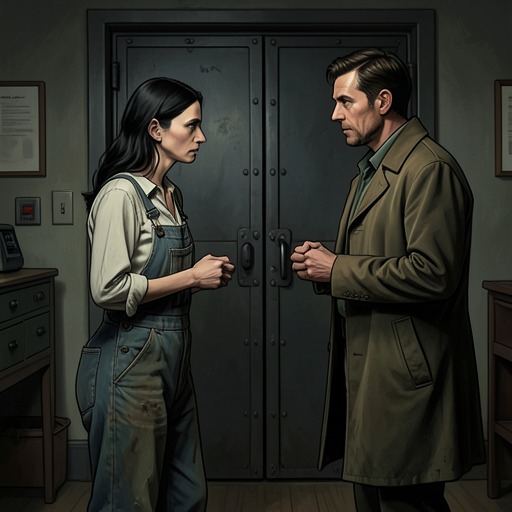
Hattersley’s marriage is revealed through a letter described by Huntingdon as filled with accusations, curses, and complaints. It ends with Hattersley threatening to marry in revenge, throwing himself away on the first woman who will have him. His language makes marriage sound less like a bond of affection or responsibility than an instrument in a quarrel, and Huntingdon’s amused retelling shows how readily the men turn marital distress into a joke.
The episode also makes Hattersley’s cruelty social as well as domestic: Huntingdon recounts the letter to Helen as amusing evidence of his friend’s resentment. Helen, by contrast, observes that Huntingdon would have little reason to regret leaving such companions, since they had done him little good. Her judgment exposes the cost beneath the men’s shared merriment and places Hattersley among the influences from which Huntingdon might have withdrawn.
The Drinking Circle and Lowborough’s Renunciation
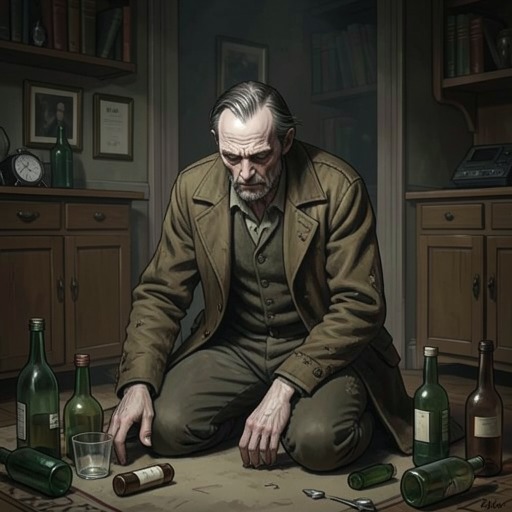
At one club dinner, the company had been drinking and enjoying its usual noisy fellowship when Lowborough declared that he had given up gambling and would give up alcohol as well. He seized the bottle and was about to pour its contents onto the table. Hattersley wrested it from him, interrupting the act; Lowborough then backed out of the room, denounced the drink as poison, and called the men tempters as they laughed.
Hattersley’s intervention is not presented as an effort to help Lowborough keep his resolve. In the surrounding scene, the men’s amusement and resistance make a sincere attempt at abstinence into spectacle. The episode therefore gives Hattersley a concrete part in the company’s pressure against reform, while also showing how its convivial rituals can turn a companion’s attempt to change into another occasion for ridicule.
Relationship to Huntingdon and Narrative Role
Hattersley’s connection to Huntingdon is one of intimacy within a drinking group, but the novel gives that bond a critical purpose: Huntingdon’s friends help sustain the habits and attitudes that undermine his marriage. Hattersley’s revenge-minded talk and the company’s response to Lowborough’s vow echo a shared contempt for restraint and domestic seriousness. Helen’s criticism of the group offers a counter-perspective, measuring the friendship by its effects rather than by its pleasures.
Hattersley is not a central actor in Helen’s later attempt to leave Grassdale. His name nevertheless appears in the surrounding account of Huntingdon’s household and social world, against which Helen’s decision to take her child and remaining fortune and seek freedom acquires its stakes. The evidence does not provide a later resolution of Hattersley’s marriage or character; his significance rests on the episodes that show how male camaraderie can shelter spite, mock self-reform, and make destructive conduct seem ordinary.