Helen meets Arthur Huntingdon at a London ball
The Tenant of Wildfell HallHelen meets Arthur Huntingdon at a London ball, where an encounter that first feels like a release from social constraint opens the courtship that will shape her life. The scene introduces the attraction between them through a contrast: Helen’s impatience with Mr. Boarham’s relentless arguments gives way to Huntingdon’s lively ease, but the very qualities that make him appealing at first will later be difficult to reconcile with his conduct as her husband.
The encounter at the ball
Helen’s first meeting with Huntingdon takes place during a ball she has already found trying. Mr. Boarham has seized upon her, treating her silence as rapt attention, her sharp replies as girlish vivacity, and her contradictions as invitations to argue further. After dancing with an empty-headed partner, she finds herself pinned in conversation by a man whose persistence leaves her patience exhausted.
Huntingdon has been watching the exchange. He appears amused both by Boarham’s remorseless pertinacity and by Helen’s uncompromising replies, and he seems to understand that she is annoyed rather than charmed. He then withdraws and asks the lady of the house to introduce him. Identified as the son of a late friend of Helen’s uncle, he asks her to dance; she gladly accepts, and he remains her companion for the rest of her stay.
First impressions and immediate attraction
The appeal of Huntingdon’s company lies in its contrast with the constraint and formality Helen has just endured. She finds him lively and entertaining, and describes a graceful ease and freedom in his manner that gives her mind a sense of repose and expansion. Her response is not unqualified: she notices a careless boldness in his address even as she enjoys his company. That reservation sits beside, rather than cancels, the attraction.
The ball’s social setting also matters to how the meeting unfolds. Helen is eager to leave Boarham’s conversation, but she does not leave the event immediately: her aunt insists on an early departure, and Helen is sorry to go because she has enjoyed her new acquaintance. Huntingdon enters her attention not through a formal declaration or a prolonged private interview, but by noticing her discomfort, securing an introduction, and becoming her dance partner for the remaining time.
The acquaintance continues
The meeting proves not to be a single evening’s encounter. The next morning Huntingdon calls on Helen’s uncle, explaining that he has only lately returned from the Continent and had not heard of the uncle’s arrival in town until the previous night. Helen subsequently meets him often, both in public and at home, as he is assiduous in paying his respects to his old friend. The visits extend the connection begun at the ball, although the uncle does not consider himself greatly obliged by Huntingdon’s attention.
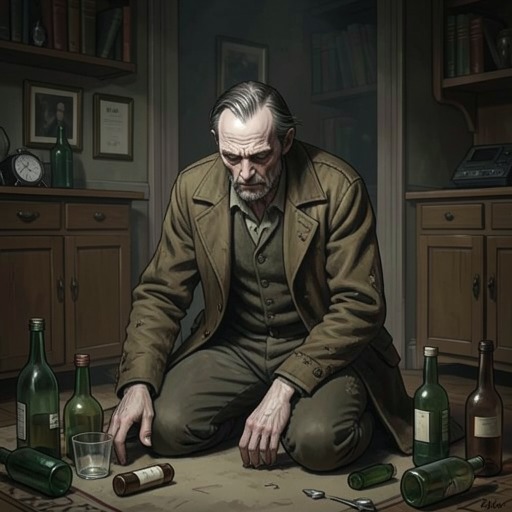
In retrospect, the scene marks the beginning of an attachment whose apparent ease conceals a consequential imbalance between first impression and later knowledge. Helen’s early impression emphasizes Huntingdon’s liveliness and freedom; after their marriage, she confronts his conduct and his dependence on alcohol, and asks to take their child and what remains of her fortune and leave. Her later judgment that she might never have married him had she known the truth about his past conduct throws the ball’s attraction into painful relief. The meeting is therefore both the start of a courtship and an instance of the novel’s larger concern with how a woman’s choice can be shaped by what she does not yet know.