Sistine Bailey and the tiger
The Tiger RisingSistine Bailey and the tiger are connected by her fierce opposition to his captivity: she sees him as a beautiful living being held unfairly and presses for his release. Their relationship develops from her promise to free him into a joint attempt to open his cage, but the tiger’s freedom is brief. His death makes their bond a test of the difference between wanting liberation for an animal and being able to protect it afterward.
Captivity and Sistine’s Response
When Sistine sees the tiger in his cage, she insists that his confinement is wrong. Rob says nothing can be done, but Sistine proposes setting him free and points to sawing through the locks as a possible means. Her response is direct where Rob’s is cautious: she treats the cage not as an unchangeable fact but as an injustice that demands action.
Her identification with the tiger becomes personal when she shakes the cage and tells him she will get him out. She says that she cannot wait for her father to arrive and that freeing the tiger will be the first thing she makes him do. As she rattles the chain-link, she appears to experience the cage as more than the tiger’s confinement; her own distress over her circumstances surfaces in the gesture. Rob recognizes her crying and stands beside her, making the tiger’s captivity the point at which her anger becomes visible grief.
From Moral Argument to a Plan
Sistine later frames the dilemma to Willie May as a question about something big and beautiful, unfairly locked away, with the keys available to the person asking. She does not initially name the tiger; Rob does so, explaining that he found him and has the keys. That disclosure makes his practical responsibility part of Sistine’s appeal: she wants the tiger freed, but the means of acting are in Rob’s hands.
She invokes Willie May’s story of releasing a bird as a precedent and asks her to tell Rob to unlock the tiger’s cage. Willie May refuses to make that decision for him. She distinguishes a bird from a tiger and asks what will happen to the tiger after release, including how he will live. Sistine answers that panthers survive in the woods, but Willie May’s warning sets a limit on the certainty of Sistine’s argument: freedom from confinement does not itself ensure safety.
The story of Willie May’s bird reinforces that uncertainty. Willie May had let the bird go because she could not bear to see it locked up; her father beat her afterward and said she had merely given a snake its supper. She never saw the bird again, though she sometimes dreams of it flying and singing. The memory does not settle the question for Sistine, but it gives their proposed act a prior example in which humane intention and a dangerous outcome coexist.
Release and Its Immediate Reversal
Sistine and Rob eventually open the cage. When Rob flings the door wide, the tiger does not immediately leave; he continues pacing, apparently unaware of the opening. Sistine’s confidence that he will leave them alone out of gratitude reflects her hope for a reciprocal bond, but the animal’s behavior does not confirm that expectation. Rob urges him onward, and the delay makes clear that opening the door and achieving release are not the same thing.
At last, the tiger steps out carefully, pauses, and looks back at the children before running away. His movement appears to Rob almost like flight, a sharp contrast with the pacing that had confined him to the cage. Sistine’s clapping marks the moment as a victory, while the tiger’s independent movement makes the escape more than an answer to her wishes: he is no longer merely the object of a plan but an animal moving on his own terms.
That release is soon reversed by danger. Willie May explains that she had worked out what the children were going to do and fetched Rob’s father because there was no telling what the tiger might do once out of the cage; she says she wanted him to save the children. Rob finds the tiger dead, and Sistine crouches beside him and touches him too. The outcome sharply complicates her promise: she had wanted to rescue the tiger from captivity, but neither the children’s hope nor their act of opening the cage could secure his survival.
Grief, Burial, and Significance
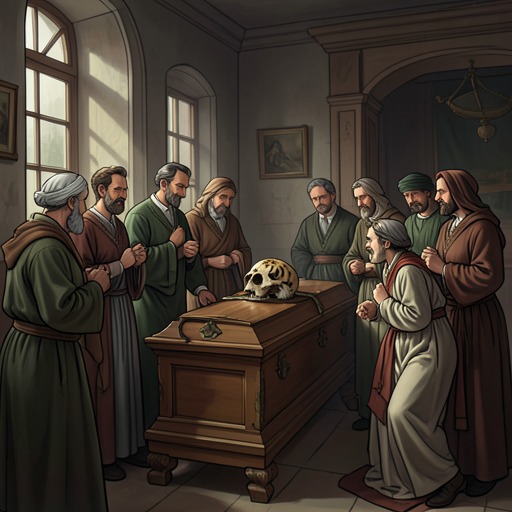
After the tiger’s death, Sistine calls him a fallen warrior and says they must hold a funeral and bury him properly. The language gives dignity to the animal without making his death a triumphant conclusion to the attempt at freedom. Rob sits beside the tiger, touches his fur, and cries; Sistine is present in the shared recognition of what has been lost. Rob and his father dig a grave, and the burial becomes the consequence of the release as well as a response to the tiger’s death.
Sistine’s relation to the tiger therefore carries two truths at once. She is right to see his confinement as a moral problem, and her determination makes possible the act that releases him; yet Willie May’s question about his survival proves consequential, and the escape ends in death. The story does not equate freedom with safety or treat compassion as a guarantee of a good result. Instead, the tiger’s brief passage out of the cage leaves Sistine’s advocacy bound to grief, responsibility, and the limits of what the children could know or control.