
Clare and Lucille: Love in Fragments
The Time Traveler's WifeThis thread traces Clare’s relationship with her mother through childhood intimacy, illness, death, and the evidence of love left behind.
increasing Bearing strength in each event
 decreasing
Bearing strength in each eventdecreasingA Mother in the Garden
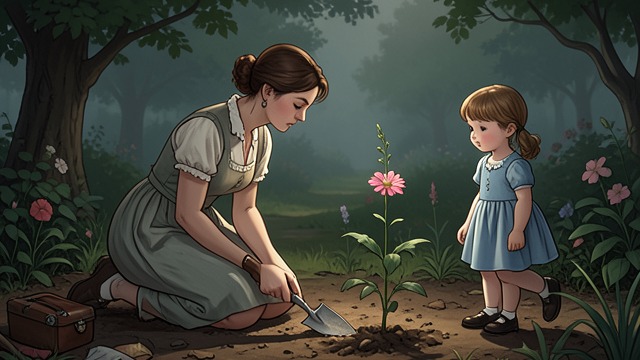
A Mother in the Garden
Lucille’s presence is changeable
Clare grows up with a mother who can be loving and imaginative but is also emotionally unpredictable. Etta often provides a steadier daily presence.
The garden offers shared ground
Lucille’s gardening gives Clare a way to see her mother engaged with the world. Their relationship contains affection, distance, and moments of quiet observation.
The Hidden Suicide Attempt
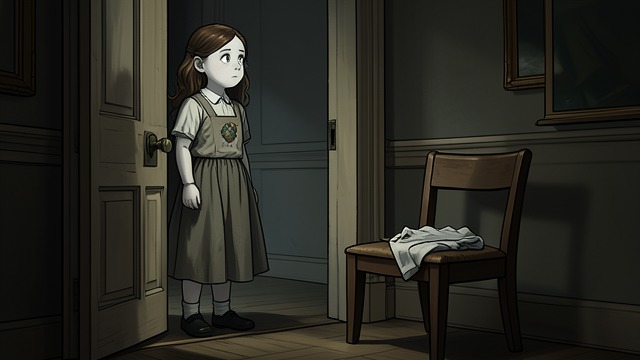
The Hidden Suicide Attempt
Clare finds her mother in crisis
After a pregnancy loss, Lucille attempts suicide, and young Clare discovers the aftermath. The experience exposes Clare to a pain she is too young to understand.
Silence does not erase the memory
The event remains part of the family’s unspoken history. Clare later recognizes that her mother’s illness shaped their relationship in ways she had not been able to name as a child.
A Future Death Revealed
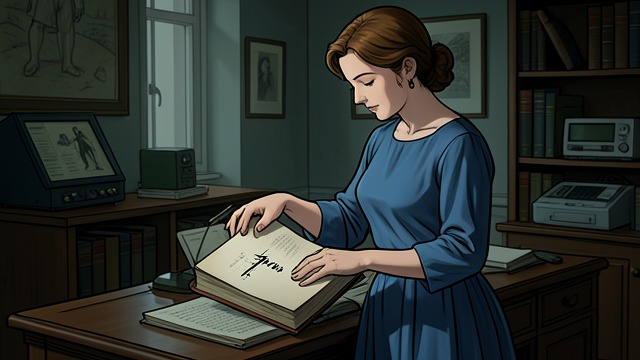
A Future Death Revealed
Henry slips while speaking
Henry accidentally uses the past tense about Lucille. Clare fears that her mother will die by suicide and demands an explanation.
The truth offers only partial comfort
Henry tells her that Lucille will die of ovarian cancer. Clare is relieved that suicide is not the cause, but the knowledge gives her a future loss she cannot prevent.
Lucille’s Final Morning
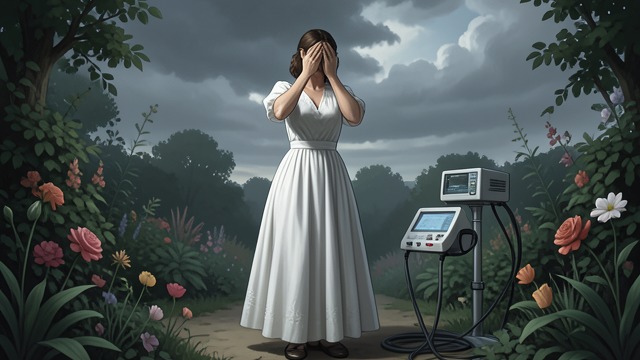
Lucille’s Final Morning
Clare keeps vigil
Clare watches dawn arrive while Lucille lies gravely ill. The garden outside brightens, contrasting with the medical equipment and her mother’s failing body.
Death becomes undeniable
Clare checks Lucille’s heart and finds no beat. She holds her mother briefly, experiencing her as beautiful again even as death has taken hold.
Love in a Desk Drawer
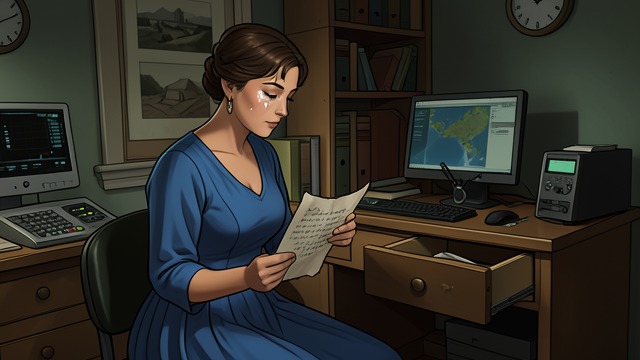
Love in a Desk Drawer
Clare finds the poem
Clare opens Lucille’s desk and discovers a poem addressed to her among notebooks and unfinished writing. The poem holds a direct expression of love that Clare had rarely received plainly.
Henry witnesses her return
Henry sees Clare weeping over the poem and recognizes that she is emotionally present again. The writing becomes a bridge between mother and daughter after death.
Clare’s childhood
1979
February 2, 1987
August 12, 1998
November 26, 1998
