Henry’s severe reaction to medication before the wedding
The Time Traveler's WifeHenry’s severe reaction to medication before the wedding is a crisis in which his attempt to remain in the present turns into a medical emergency, forcing Clare and Ben Matteson to abandon medication as a solution. The episode links the strain of an impending wedding to Henry’s wider struggle with involuntary time displacement: the drug is meant to keep him beside Clare for the ceremony, but instead leaves him unresponsive and in need of emergency treatment. His recovery does not resolve the underlying condition; it changes what the couple is willing to risk in trying to manage it.
Background and Aim
Henry’s time displacement repeatedly strips away the ordinary means of protecting himself. During episodes he becomes, in his own account, a desperate version of himself, arriving without clothes or belongings and having to find clothing and conceal himself. The episodes are unpredictable: exhaustion, stress, loud noises, sudden movement, and flashing light may trigger them, but displacement can also interrupt an unremarkable moment. That uncertainty gives the wedding’s planned duration particular weight: Henry wants to be present for a major event in Clare’s life, but cannot reliably command his body to stay.
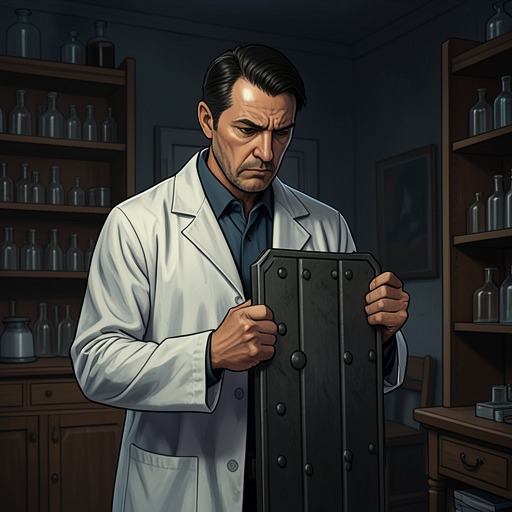
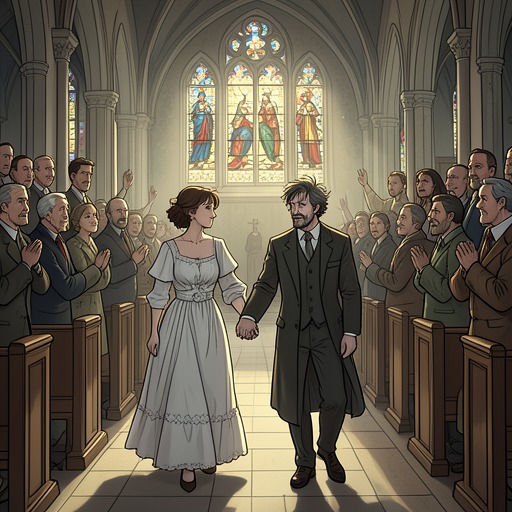
When Henry tells Ben he is getting married to Clare, he describes a large Michigan wedding planned by Clare’s parents, with a church ceremony, bridesmaids, a reception at the Yacht Club, and white tie. His immediate concern is not the celebration itself but getting through roughly eight hours of intense stress without disappearing. He imagines a drug capable of suppressing the brain’s dopamine receptors and asks Ben to prepare an experimental antipsychotic. Henry has found information about risperidone, marketed as Risperdal, in a future edition of the Physicians’ Desk Reference; he tells Ben that it will not be commercially available until 1998 and identifies it as part of a new class of drugs. His request is therefore an attempt to use advance knowledge to secure a brief stretch of ordinary continuity.
The Emergency
On Monday, September 27, 1993, Clare lets herself into Henry’s apartment before their planned visit to the opera. At first, she thinks the unlit apartment means he is absent and worries that they will be late. Then she hears breathing from the kitchen. She finds Henry on the floor, fully clothed and rigid, staring ahead and unable to speak. The scene overturns the purpose of the experiment: the medication meant to help him stay present has made him inaccessible to the person who came to spend the evening with him.
Clare calls emergency services. While waiting with Henry, she finds his Rolodex and phones Ben, identifying herself and explaining that Henry is rigid and cannot talk. Ben immediately understands the danger: he says the drug is mimicking Parkinson’s and that Henry needs dopamine, urging Clare to relay the information to the responders and call him from the hospital. Her call to Ben is a decisive act of practical care within the emergency; she supplies him with the symptoms he needs to recognize what the experiment has done while the paramedics arrive.
After the ambulance takes Henry to Mercy Hospital, he is admitted, injected, and intubated. Clare remains beside his hospital bed while he sleeps attached to a monitor. Ben arrives and apologizes, taking responsibility for having made the medication. Clare reassures him that Henry will recover, but Ben stresses how serious the danger was: Henry could have died. The account thus makes clear both the concrete consequence of the trial and the uncertainty that surrounded it; this was not merely an unsuccessful way to prevent a disappearance, but an intervention that put Henry’s life at risk.
Decision and Aftermath
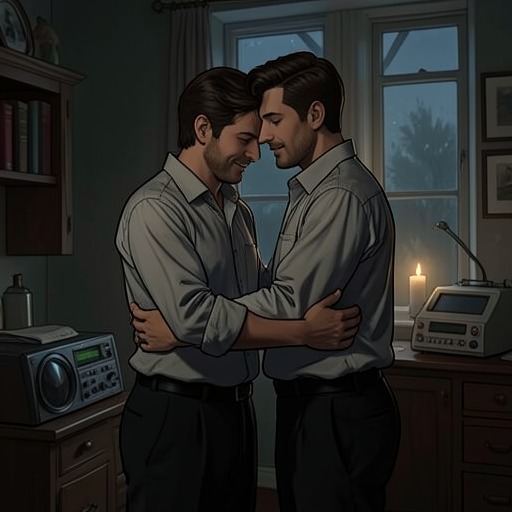
Clare asks Ben to do something for her: cut Henry off from further drugs. Her conclusion is categorical—medication is not going to work. Ben responds with visible relief, and the two share a brief laugh before he thanks her for treating him kindly despite his culpability. Their exchange does not erase his responsibility or Henry’s danger; it establishes a practical boundary. Ben will not make more medication for Henry to use in this way, and Clare will not treat another experimental drug as a tolerable price for getting through the wedding.
The episode closes with Clare and Ben anticipating that they will see one another at the wedding. Ben leaves the hospital corridor, and Clare turns back toward Henry, who is sleeping in the dim room. That ending brings the crisis back to the relationship the experiment was intended to protect: Henry’s presence at the wedding remains uncertain, but the immediate task is to stay with him through recovery rather than to force his body into compliance. The wedding is no longer framed as something a drug can guarantee.
Significance
This episode dramatizes the limits of treating Henry’s time displacement as a condition that can simply be suppressed. His request is prompted by a specific, understandable wish—to be there for Clare through the stress of their wedding—but the attempt to control the episodes produces a different loss of presence, leaving him unable to respond and exposing him to potentially fatal harm. The contrast is sharp: a medicine meant to keep Henry in the moment takes him out of ordinary communication with Clare and Ben.
The scene also distributes knowledge and responsibility among the three characters. Henry initiates the experiment and brings Ben its formula; Ben prepares it, then recognizes the reaction and owns his part in the danger; Clare identifies the emergency, summons help, contacts Ben, and later sets the limit against further drugs. Their response does not offer a cure or promise that Henry can remain at the wedding. Instead, it changes their course: they stop pursuing this pharmacological shortcut and return to the less certain work of facing his condition together.