Henry tries medication to stay in the present
The Time Traveler's WifeHenry tries medication to stay in the present in the hope of making it through Clare’s wedding without disappearing, but the attempt ends in a potentially fatal crisis. The episode places his desire for an ordinary, uninterrupted day against a bodily condition that medication cannot safely command: when Henry is found rigid on the kitchen floor, Ben Matteson recognizes the drug’s effect and urges that Henry receive dopamine. The danger leaves Clare and Ben with a clear conclusion—no more drugs.
The wedding-day problem
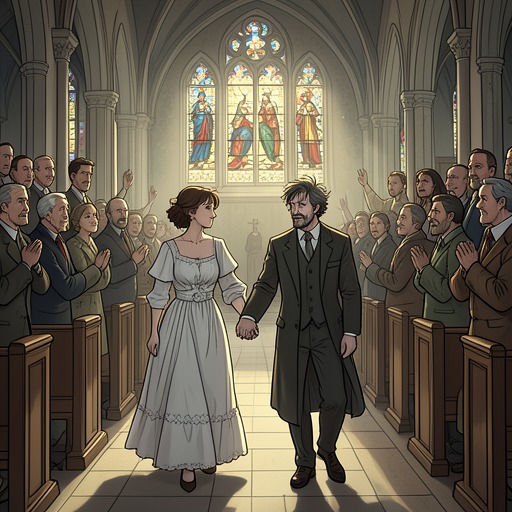
The immediate pressure is the wedding Clare’s parents have planned in Michigan: a church ceremony, bridesmaids, rice, and a lavish reception at the South Haven Yacht Club. Henry needs to endure eight hours of intense stress without vanishing. His concern is not simply to attend the ceremony; he wants to remain bodily present through the whole occasion, an ambition that makes medication seem like a possible means of securing time itself.
The preparations also include a contingency plan. Henry suggests going to Chicago City Hall to marry beforehand, so that if anything happens they will at least already be married. Clare refuses because she would feel that doing so was lying, but proposes they use that option afterward if the real wedding is disrupted. Henry accepts the compromise with a handshake. The exchange makes the stakes intimate and practical: they are trying to protect their marriage from the uncertainty of his condition without substituting a false version of the wedding they want.
Seeking a drug from the future
Henry has already been looking for an antipsychotic that might help him remain in the present. He tells Clare that his preferred option is Risperdal, though it will not be marketed until 1994; Clozaril and Haldol are his next possibilities. The search draws on Henry’s access to information from a later time, but knowing the name of a future medication does not make its use safe or predictable.
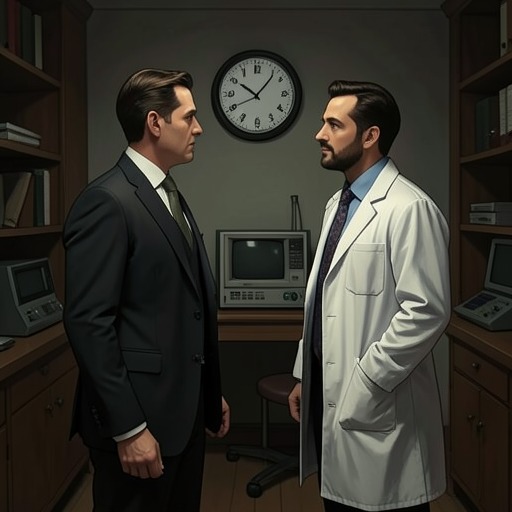
He turns to Ben Matteson, explaining that the wedding requires a drug powerful enough to suppress the possibility of his disappearing under stress. Ben lists several existing antipsychotics, then Henry gives him a paper containing the formulation he wants made. Ben reads the unfamiliar chemical description aloud and asks what it is. Henry explains that it is risperidone, marketed as Risperdal, that it will be commercially available in 1998, and that it belongs to a new class called benzisoxazole derivatives. Asked where he found the information, Henry answers that it came from the 2000 edition of the Physicians’ Desk Reference. The proposed remedy thus arrives from a future that Henry can consult but cannot yet safely inhabit through ordinary medical practice.
Ben’s help is cautious rather than unqualified. He also gives Henry three pills from a bottle, describing them as an endorphin stabilizer combined with an antidepressant. Henry swallows one before Ben can finish warning him; it is morphine-based. Ben objects to Henry’s casual attitude toward drugs and says he will not give him a large supply. The pills are a possible fallback for the wedding, lasting about four hours each, but Ben tells him not to take the remaining two just for fun. This smaller exchange establishes the tension running through the episode: Henry treats medication as a practical instrument, while Ben tries to impose limits and explain the risks.
The reaction and emergency
On Monday, September 27, 1993, Clare arrives at Henry’s apartment to go with him to the opera, where they are to see The Ghosts of Versailles. The Lyric Opera does not seat latecomers, so she is already flustered when she finds the apartment dark and Henry absent. Annoyance gives way to fear as she realizes he may have disappeared. Then she hears breathing from the kitchen.
Henry is on the floor, still fully clothed, held in a strange rigid pose and staring straight ahead. A groan catches in his throat and forces its way through clenched teeth. Clare calls 911, sits beside him, and finds his Rolodex in the desk. She dials Ben while the paramedics are on their way. The scene turns the treatment question into an immediate emergency: instead of preventing an involuntary departure from the present, the drug has left Henry physically immobilized before Clare.
Ben identifies the danger over the phone. The drug is mimicking Parkinson’s disease, he says, and Henry needs dopamine; Clare must pass that information to the emergency responders and call Ben from the hospital. His response gives the crisis a specific medical mechanism within the episode: the intended intervention has produced a severe effect associated with dopamine suppression. The future drug’s promise of control is sharply reversed by a present body that cannot move.
Aftermath and significance
After the crisis, Clare asks Ben to do one thing for her: cut Henry off from drugs. Ben agrees that drugs are not going to work. Their exchange settles the immediate question the wedding preparations had left open. Medication will not provide a dependable route to the uninterrupted presence Henry wants, and the attempt has shown that experimentation can place his life at risk rather than protect his participation in the day.
Ben later takes Clare’s hand and thanks her for being kind about what happened, adding that Henry could easily have died. Clare answers that he did not; Ben agrees. The understated exchange does not erase the danger, but it locates the aftermath in care and survival. Henry’s treatment effort is therefore both a failed attempt to control his time travel and a turning point in the people around him: Clare and Ben move from considering possible drug options to setting a firm boundary against further medication.