Appointment of the governess at Bly
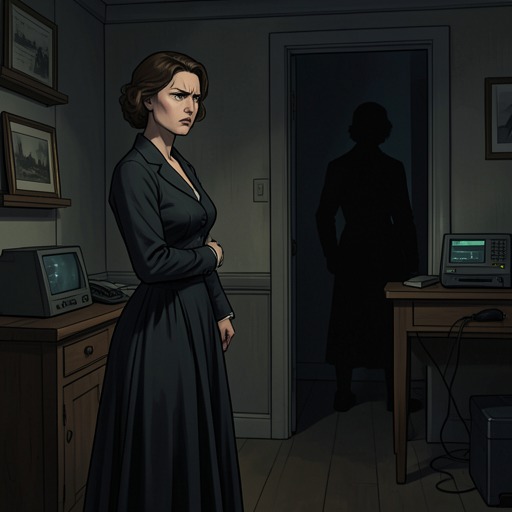
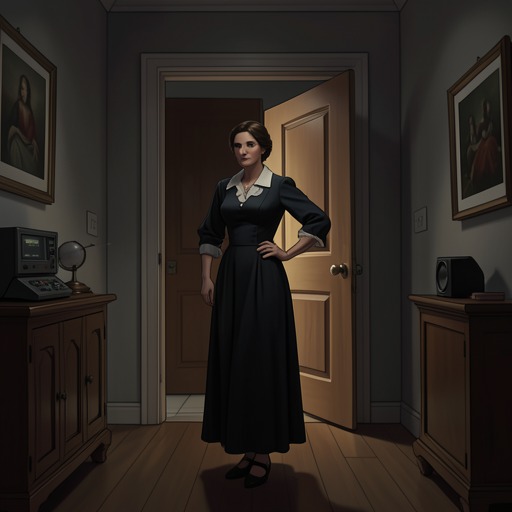
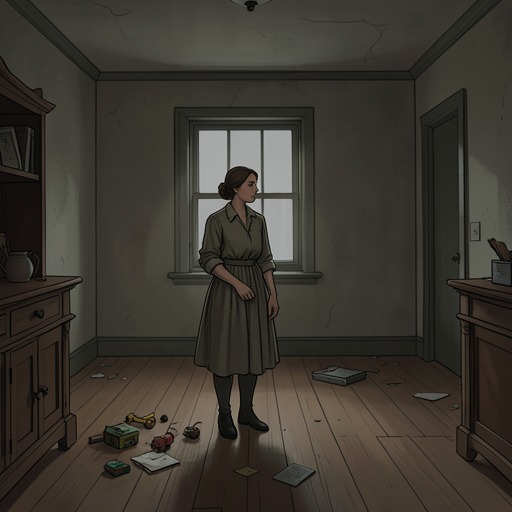
The Turn of the ScrewThe Governess’s appointment to Bly establishes the arrangement that governs her work and isolates her from the children’s guardian. At twenty, she accepts her first position in a schoolroom: caring for two orphaned children at their country home, with authority over the household but an explicit prohibition against seeking help from the uncle who employs her. The hiring is presented retrospectively through Douglas’s account of the manuscript, so its conditions are known before the later consequences of her isolation unfold.
Background and Recruitment
The Governess is the youngest of several daughters of a poor country parson. Having come to London in trepidation to answer an advertisement, she presents herself at the prospective employer’s imposing house on Harley Street. The meeting places a socially inexperienced young woman opposite a wealthy bachelor whose looks, fashion, ease, and charm strike her as almost dreamlike. He makes the proposed employment seem like a favor he would be grateful to receive, and she is impressed not only by his manner but also by the prospect of service at his family’s country home in Essex.
Her acceptance is shaped by the personal appeal of the man who hires her. She understands him as rich and extravagantly fashionable, with a large town house filled with travel souvenirs and hunting trophies. He presents the position as a duty toward children in need, while his courteous manner makes taking it feel, to her, like a sacrifice he appreciates. The attraction she feels toward him is not incidental to the hiring: the narrative specifically connects the beauty of her passion with her willingness to accept terms that had frightened other applicants.
The Children and the Household at Bly
The employer has become guardian to his nephew and niece after the children’s parents died in India and their father, his younger military brother, died two years earlier. He describes the children as having become a serious burden to a man without relevant experience or patience. He says he has pitied them and tried to provide for them, sending them to Bly, his country house, and arranging for people he considers respectable to look after them. He has also given up some of his own servants to assist and visits when his affairs permit.
At Bly, Mrs. Grose is housekeeper and temporary superintendent of Flora. Formerly maid to the children’s grandmother, she is described by the uncle as an excellent woman and is particularly fond of the little girl, despite having no children of her own. The new governess is to hold supreme authority over the establishment; during the holidays she must also take charge of Miles, who has been sent to school while still young and is expected back as the holidays begin. A cook, housemaid, dairywoman, old groom, and old gardener complete the staff, alongside an old pony.
The uncle’s account also supplies the immediate history of the children’s care. A former governess had looked after both children successfully and was described as respectable, but her death left the household without a governess and, in the uncle’s telling, no alternative but to send Miles to school. Since then, Mrs. Grose has done what she can for Flora’s manners and upbringing. The circumstances of the former governess’s death are not explained in the hiring account; a listener asks what she died of, pointedly echoing the repeated emphasis on her respectability.
The Employer’s Condition
The decisive term is that the Governess must never trouble her employer. She is not to appeal to him, complain to him, or write to him about anything. Instead, she must meet every question herself, receive all money through his solicitor, take over the responsibility, and leave him alone. The restriction is presented as the main condition of the post and as the reason several earlier applicants were afraid to accept it.
The condition gives the Governess broad authority at Bly while denying her ordinary recourse to the person who has appointed her. This is not a simple transfer of responsibility accompanied by continuing oversight: the uncle expressly removes himself from communication about the work. The Governess promises to comply. When the employer briefly takes her hand and thanks her for the sacrifice, she already feels rewarded, a response that links her acceptance of isolation to her emotional investment in him.
Narrative Significance
The appointment is disclosed as prologue rather than as the opening of the Governess’s own written account. Douglas explains that the manuscript begins after the story has, in a sense, already started, and that his friend’s narrative requires preliminary context. The hiring therefore arrives filtered through a chain of narration: Douglas introduces the circumstances, while the details of the young woman’s meeting and agreement belong to the account he says he will read. That framing makes the terms of the post part of the reader’s initial understanding of what will constrain her later choices.
The arrangement also contains a structural tension from the outset. The uncle appoints the Governess as the supreme authority in the household, but forbids her from asking him for assistance or even writing to report a problem. His position as guardian persists, yet he places the practical and emotional burden of the children’s care on a young employee who is taking her first schoolroom post. Her admiration for him helps secure her consent; the same consent will leave her to confront the demands of Bly without access to his counsel. The appointment thus establishes both her responsibility for the children and the silence imposed between her and their guardian.