Christmas Eve
The Turn of the ScrewChristmas Eve is the setting for the gathering at which Douglas’s ghost story first takes shape as a tale to be told. The holiday’s fireside intimacy and the group’s response to a story of an apparition confronting a child make the occasion a frame for the narrative that follows: a child’s terror becomes the point of comparison that leads Douglas toward a case involving two children.
The Fireside Gathering
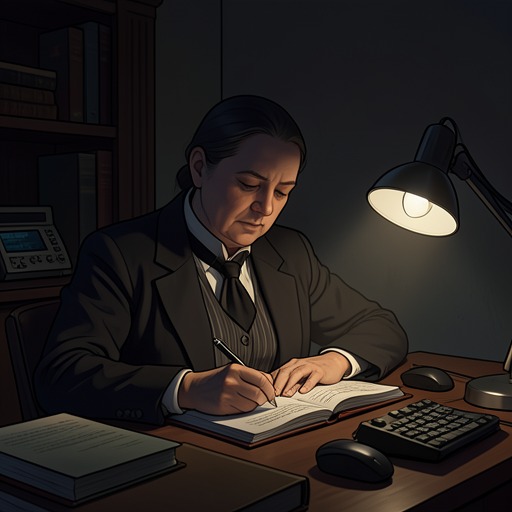
The company is gathered around a fire in an old house on Christmas Eve. The story they hear holds them breathless; the immediate response is that it is gruesome, as a strange tale told in such a house on such a night might be expected to be. The setting thus combines seasonal intimacy with the anticipation of terror, without yet disclosing the fuller story Douglas has in mind.
The Child and the Apparition
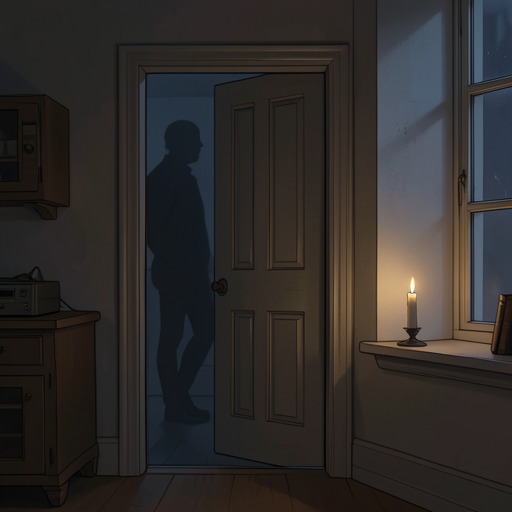
The first case discussed concerns a little boy who wakes in terror after seeing an apparition while sleeping in the same room as his mother. The mother does not merely soothe him or send him back to sleep: before she can settle him, she encounters the same dreadful sight herself. The apparition’s appearance to a child, and the mother’s confirmation of the sight, gives the story its distinctive force within the conversation.
Douglas’s Delayed Response
The observation that the visitation had fallen on a child draws a response from Douglas, though not immediately. Someone else tells a story that Douglas appears not to follow, which the narrator takes as a sign that Douglas has a story of his own to offer. The group waits until two nights later for its telling; before they disperse on Christmas Eve, however, Douglas reveals what has been occupying his thoughts.
A Frame for the Story to Come
Douglas agrees that the ghost’s appearance to a young boy adds a particular intensity, then complicates the comparison: he knows another case involving a child, but proposes that the effect would be greater with two children. Christmas Eve therefore introduces both the subject and the narrative occasion of the tale. Its structure turns from a reported haunting of one child to Douglas’s promise of a case involving two, while the delayed telling leaves the group—and the reader—waiting for the account to come.