
From Private Interviews to The Vagina Monologues
The Vagina MonologuesThis thread traces how Eve Ensler’s private conversations with women became a stage work that made intimate bodily experience speak publicly.
increasing Bearing strength in each event
 decreasing
Bearing strength in each eventdecreasingA Conversation Begins
A Conversation Begins
The first question
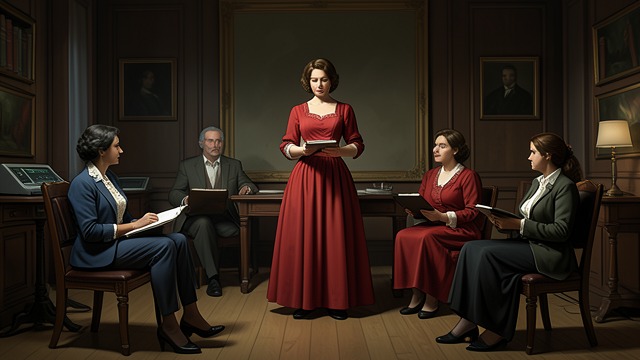
Eve Ensler recalls that the work began with a conversation with an older woman who spoke contemptuously about her genitals. The remark unsettled Ensler and prompted her to wonder what other women thought about their own bodies.
She began asking friends, who surprised her with their candor. One described what her vagina would wear as a beret, a comic image that showed how unexpected and imaginative such conversations could become.
A hidden project
Ensler was already a playwright who built work from interviews, but at first she treated these conversations as separate from the play she considered her “real” project. The interviews accumulated without a formal outline or deliberate plan for a new work.
In retrospect, she described the project as something that seemed to possess her rather than something she had consciously designed. That sense of discovery shaped the play’s eventual form: a gathering of voices rather than a conventional plot.
Two Hundred Voices
Two Hundred Voices
A broad invitation
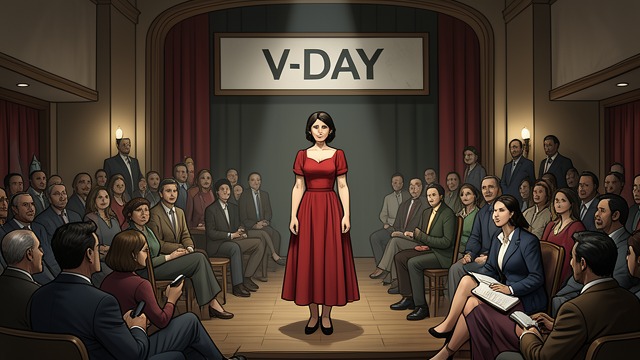
Ensler interviewed more than two hundred women, including older and younger women, married and single women, lesbians, professionals, sex workers, and women from varied racial, ethnic, and religious backgrounds. The range of participants made the project larger than any single account of female experience.
At first, some women were reluctant to speak. Once the questions were asked, however, many opened up with energy, partly because no one had previously invited them to discuss the subject directly.
From testimony to performance
Ensler selected and shaped the material in different ways. Some monologues stayed close to individual interviews, some combined experiences, and others began with an interview’s initial idea before becoming more freely composed pieces.
The result did not claim that every woman shared one story. It made a public form out of distinct memories, jokes, fears, and desires, allowing their differences to coexist while challenging the silence surrounding them.
Private Shame on Stage
Private Shame on Stage
Speaking aloud
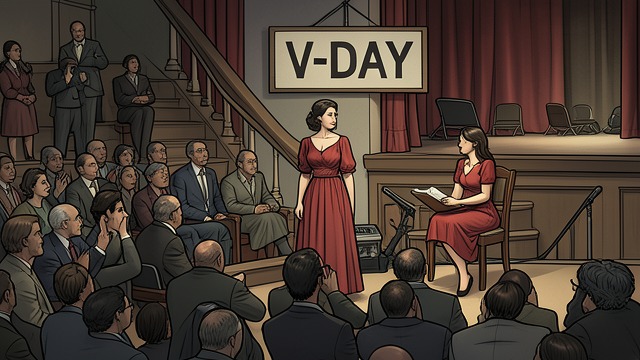
The play placed personal accounts before audiences, giving experiences of sexuality, shame, pain, and pleasure an audible public form. Ensler initially understood her performances less as acting than as telling stories entrusted to her.
She felt protective of the women and their words. She stayed seated on a high-backed stool, relied on a microphone, and held note cards even after memorizing the material, as if the cards kept the interviewees present with her.
Finding a performance language
The physical demands of the performance developed gradually. Ensler first wore stockings and heavy shoes; after her director persuaded her to remove them, she found that she could perform only barefoot.
These details reveal how the stage presentation grew out of an intimate relationship to the material. The work’s theatrical force depended not only on its language, but also on Ensler’s effort to carry other women’s accounts without treating them as detached inventions.
The Word in Public
The Word in Public
Resistance and attention
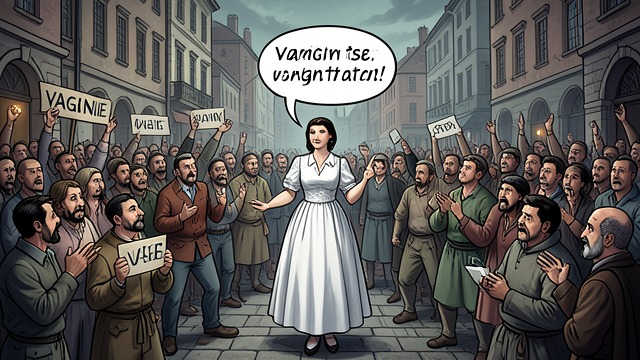
As the play traveled, its title and vocabulary provoked discomfort as well as curiosity. Ensler recounts media figures struggling to say “vagina,” while audiences and public personalities sometimes chanted the word together.
The response showed that the work was confronting more than individual embarrassment. The difficulty of naming the subject became part of the public event, exposing how strongly the taboo shaped ordinary speech.
A changing audience
Performances drew people who arrived with very different expectations, and audience responses ranged from laughter and cheering to tears and silence. Some spectators later spoke with Ensler about memories or experiences they had rarely disclosed.
The play’s public life thus extended beyond the stage. Its direct language made private subjects discussable, while the range of reactions suggested that speaking openly could unsettle, move, or connect people who had previously kept these matters separate from public conversation.
A Continuing Public Work
A Continuing Public Work
Beyond a single production
The play was published and opened to audiences in more than twenty countries, including China and Turkey. Its movement across languages and settings carried the basic act of public testimony far beyond the circumstances of its first interviews.
Ensler describes productions in varied places and settings, where local performers and audiences made the work their own. Its central method remained recognizable: stories rooted in women’s experiences were brought together and spoken aloud.
A platform for further action
The work also became the starting point for V-Day, a movement that used performances to raise awareness and funds against violence toward women. The book presents that development as a consequence of hearing stories that could not be treated as merely private or isolated.
By the close of the account, the monologues function both as theatre and as a public invitation. The stories preserve individual voices while prompting audiences to consider what collective attention might make possible.
Before the play took shape
During the interviews that preceded the monologues
During the early performances of the play
After the work began reaching wider audiences
By the time the play reached international audiences
