
The Trust Between Interviewer and Women
The Vagina MonologuesThis flow follows the intimacy between Eve Ensler and the women who entrust her with bodily memories, as listening develops into shared recognition and public testimony.
increasing Bearing strength in each event
 decreasing
Bearing strength in each eventdecreasingAsking What Was Unasked
The First Invitation
A Question That Opens Space
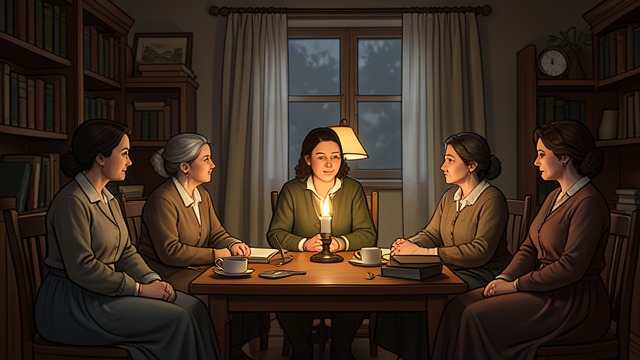
Eve Ensler begins asking women about their vaginas after a conversation with an older woman leaves her wondering what others think and feel. Friends respond with surprising openness, including one who imagines her vagina dressed in a beret. A question that might have been dismissed as indecent instead invites play and candor.
Recognition Through Listening
Ensler interviews more than two hundred women from different ages, backgrounds, and occupations. At first, many are shy; once they begin, they speak with energy because, as Ensler observes, few people have ever asked them directly.
The bond starts in the act of attention. The interviewees offer personal knowledge, while Ensler receives it without demanding that every answer serve a single argument. Their willingness to speak makes the conversations feel less like extraction and more like a newly shared space.
Stories Held in Trust
From Confidence to Composition
Different Forms of Testimony
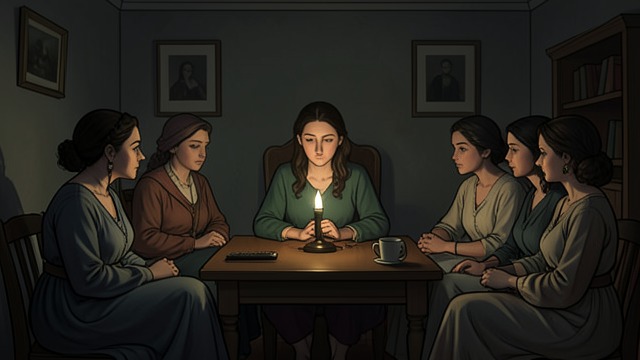
Ensler explains that some monologues remain close to verbatim interviews, some combine material from several interviews, and others begin with only the seed of a conversation. The women’s trust does not mean every account enters the play unchanged; the work develops through careful transformation.
The Listener’s Responsibility
The stories range from laughter and embarrassment to desire and injury. Ensler’s role is to shape theatrical language while remaining conscious that its emotional authority comes from women who have let her hear things rarely spoken elsewhere.
That responsibility creates an intimate bond with a complicated edge. The performer will eventually speak publicly, but the underlying experiences belong to the women who shared them. Ensler’s attention to this distinction helps frame the play as an act of witnessing rather than a claim to own every life it represents.
Listening After the Show
Testimony Beyond the Stage
Women Wait to Speak
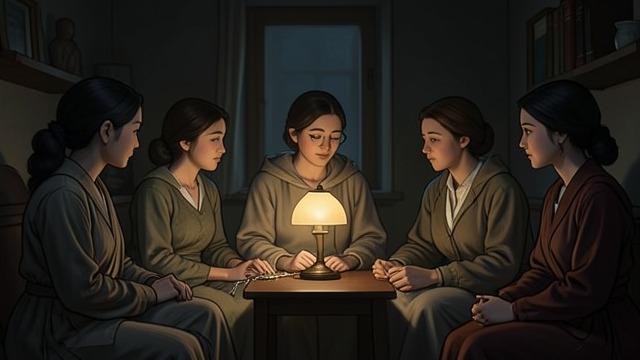
As Ensler travels with the piece from city to city, women often wait after performances to talk with her. They describe rape, childhood sexual abuse, intimate-partner violence, and other experiences that they have kept private. The play seems to release memories and feelings that have not previously found a listener.
The Weight of Being Told
Ensler initially feels as if a dangerous door has opened onto an underworld of knowledge. The accounts are not abstract social evidence to her; they arrive as encounters with people who are trusting her with pain and asking, implicitly, not to be left alone with it.
These conversations deepen the bond beyond the original interview project. Ensler’s listening becomes an obligation to respond, and the repeated disclosures change her sense of what matters most: preventing violence and protecting the lives that the stories reveal as vulnerable.
The Bosnian Witness
One Woman’s Story
A Meeting Shaped by War
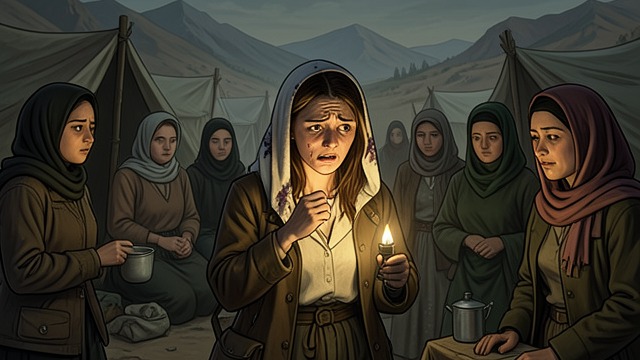
After seeing a newspaper photograph of young women returned from a rape camp in Bosnia, Ensler feels compelled to meet survivors. In 1994, she spends two months interviewing Bosnian refugees in Croatia and Pakistan, meeting women in camps, cafés, and refugee centers.
Trust Amid Rupture
One monologue that grows from this work presents a survivor whose remembered vagina was once a village of fields, water, and home. Wartime rape transforms that image into a place invaded and devastated; the speaker says she no longer visits it and lives somewhere else.
The distance between Ensler and the survivor cannot erase the violence, but the act of telling creates a form of witness. Ensler credits the woman’s spirit and strength rather than claiming the story as her own, making gratitude and responsibility central to their literary connection.
From Private Speech to Solidarity
A Wider Circle of Trust
Stories Become a Shared Resource
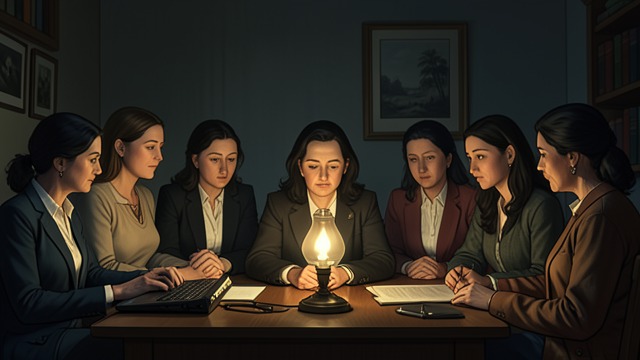
In the years following the first V-Day event, the play’s audiences and participants create new occasions for women to speak about their experiences. The testimony that once appeared isolated becomes part of a wider public conversation, while women encounter others who recognize what they have lived through.
The Listener’s Continuing Bond
Ensler understands this movement not as a substitute for the original trust but as a way to honor it. The women who told her their stories help make visible experiences that society has hidden, and their words encourage others to break silence without making every survivor’s response identical.
The relationship resolves as an expanding circle rather than a closed exchange. Ensler remains accountable to the women whose confidence began the work, while audiences and activists become additional witnesses, carrying the stories toward action against violence.
At the beginning of the interview project
As the interviews become monologues
During the years of touring the performance
1994, during Ensler’s interviews in Croatia and Pakistan
As the V-Day movement grows after its first event
