
Eve Ensler and Betty Dodson
The Vagina MonologuesThis flow traces how Betty Dodson’s practice of helping women know their bodies informs Eve Ensler’s artistic vision and the play’s language of self-recognition.
increasing Bearing strength in each event
 decreasing
Bearing strength in each eventdecreasingA Feminist Encounter
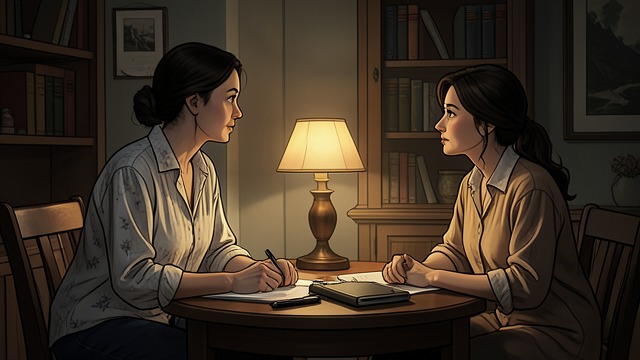
Meeting a Different Kind of Teacher
A Public Conversation
Gloria Steinem recalls sitting in a New York coffee shop with Betty Dodson and trying to appear composed while Dodson cheerfully explained masturbation as a liberating force. Her memory places Dodson within a feminist culture that challenged silence about women’s bodies.
An Influence on Ensler
Ensler later identifies Dodson as someone who has spent decades helping women locate, love, and masturbate their vaginas. Dodson’s work provides a practical example of what self-knowledge can look like when women teach one another rather than waiting for permission from institutions.
The connection is not presented as a formal apprenticeship. It is an artistic relationship shaped by the force of an existing practice: Dodson’s insistence on direct, embodied knowledge offers Ensler a model of how intimate experience can become both personal and political.
The Workshop Takes Shape
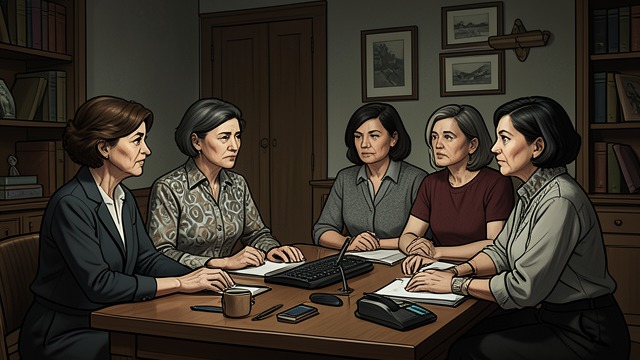
A Practice Behind the Story
Women Learning Together
While gathering interview material, Ensler encounters women who have attended groups run by Betty Dodson. Several women in their late thirties and early forties tell Ensler that they experienced their first orgasms in the same setting, a striking indication of the workshop’s influence.
Acknowledging the Teacher
Ensler describes Dodson as brave and extraordinary, someone who has worked with groups and individuals and helped thousands of women reclaim their center. She dedicates the workshop monologue to her, connecting the theatrical story to the teacher whose work made such stories possible.
This dedication establishes an emotional and artistic lineage. Ensler is not simply borrowing a subject; she is recognizing that women’s accounts of discovery emerge from relationships, guidance, and shared learning that precede the stage.
A Narrator’s Awakening
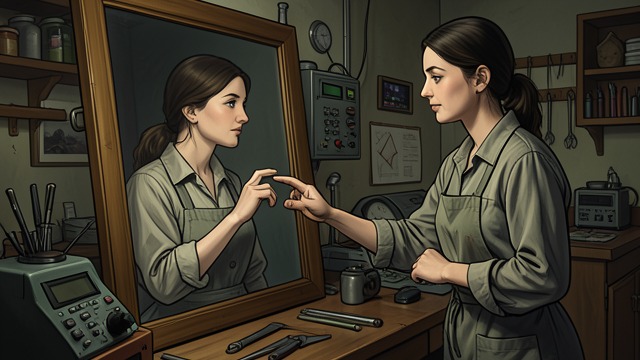
Learning to See
The Mirror Exercise
In the workshop monologue, the narrator describes drawing her vagina as a black hole surrounded by lost particles, a picture of distance from her own body. Participants are then asked to look with hand mirrors and report what they see, turning vague assumptions into attentive observation.
From Fear to Recognition
The narrator initially finds the exercise awkward and unsettling. Her fear intensifies when she cannot confidently locate her clitoris, and she imagines that she may be constitutionally incapable of pleasure. The workshop leader responds with reassurance, telling her that the clitoris is not something she can lose and inviting her to identify with her own embodied self.
The monologue’s transformation gives Dodson’s educational practice emotional depth. Guidance does not simply provide information; it helps the narrator move from panic and abstraction toward a sense of belonging in her own body.
From Teaching to Theatrical Voice
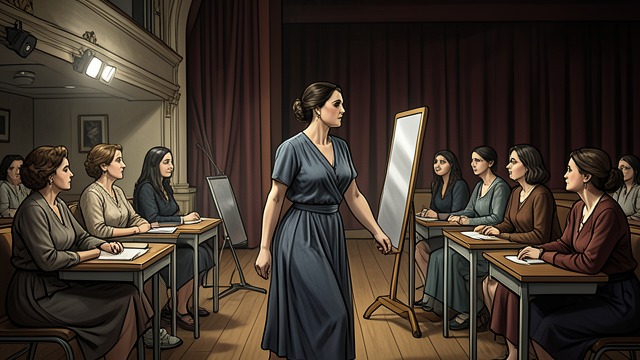
Translating Practice into Art
An Experience Made Shareable
Ensler turns the workshop account into a monologue that moves through drawings, mirrors, memory, fear, and bodily discovery. The stage gives an audience access to an experience that might otherwise remain private, while preserving its awkwardness and uncertainty rather than presenting knowledge as effortless.
The Teacher’s Continuing Presence
Betty Dodson’s influence is present in the narrator’s movement from passivity toward agency. The lesson is conveyed not as abstract advice but through a relationship in which another woman notices distress, responds without condemnation, and makes room for discovery.
The artistic bond between Ensler and Dodson therefore operates through both dedication and form. Ensler’s piece honors the teacher by showing what teaching can change: not only what a woman knows, but what she believes she is allowed to know about herself.
An Acknowledged Lineage
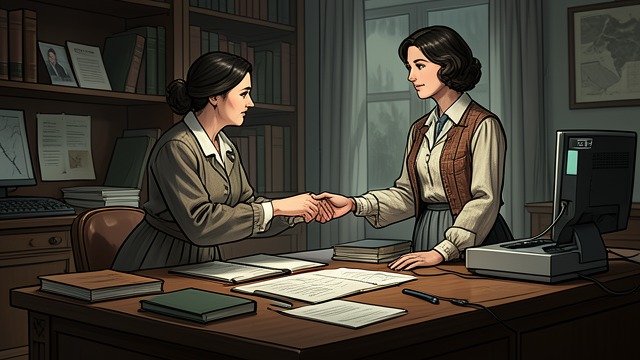
Gratitude Made Explicit
Crediting the Work
In the acknowledgments, Ensler thanks Betty Dodson for loving vaginas and for starting the work that helped make the play possible. The phrasing recognizes a history of care and practice behind Ensler’s theatrical project.
A Relationship Beyond Attribution
Dodson’s importance is not limited to having supplied a story or topic. Her work has helped women reclaim knowledge and pleasure, and Ensler’s play carries that possibility into public performance and conversation.
The relationship resolves as a visible artistic lineage: Dodson’s embodied teaching and Ensler’s dramatic form remain distinct, yet connected. Ensler’s gratitude marks an understanding that a public work about self-recognition can grow from another woman’s sustained labor of helping women see themselves.
During the feminist activism of the 1970s
During Ensler’s interviews, before the first performance years
At the narrator’s imagined first workshop session
As the workshop monologue is developed for the play
At the close of Ensler’s acknowledgments
