
The Theater of the Vampires
The Vampire LestatThe Paris troupe develops from Lestat’s abandoned theater into a successful vampire performance company shaped by Nicolas and Armand.
increasing Bearing strength in each event
 decreasing
Bearing strength in each eventdecreasingLestat Buys the Playhouse
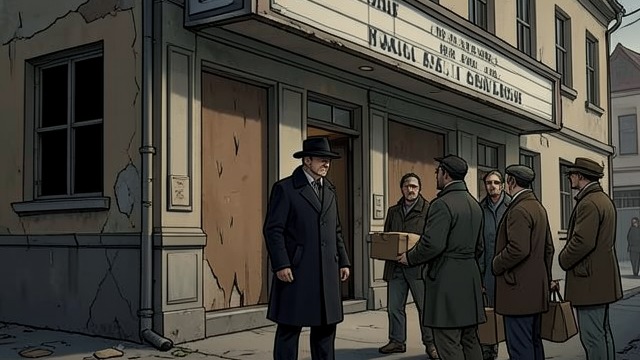
Lestat Buys the Playhouse
After learning that Nicolas remains at the theater, Lestat purchases the financially troubled venue and funds its manager. He hopes to protect the place without returning to it.
A Gift at a Distance
The troupe receives money, wine, and resources while Lestat hides his identity and avoids Nicolas. His generosity cannot resolve the emotional separation.
Significance
The theater becomes a material bond between Lestat’s mortal past and his vampire future.
A Supernatural Performance
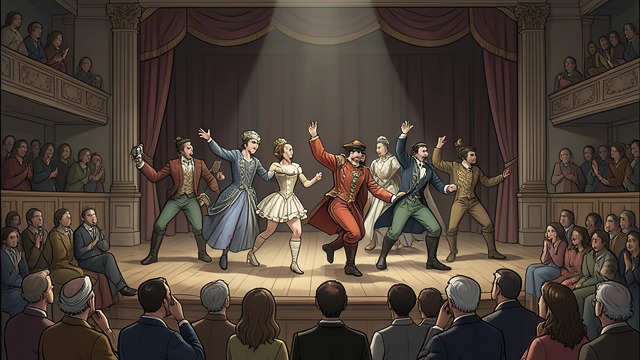
A Supernatural Performance
The surviving coven members begin using the theater as a public disguise. Their physical powers and theatrical skills allow them to appear as marionettes and uncanny performers.
Popular Spectacle
Audiences debate whether the performers are dolls, actors, or clever illusions. The troupe uses art to conceal its predatory nature in plain sight.
Significance
The theater converts the coven’s old isolation into a modern form of public presence.
Nicolas’s Creative Control
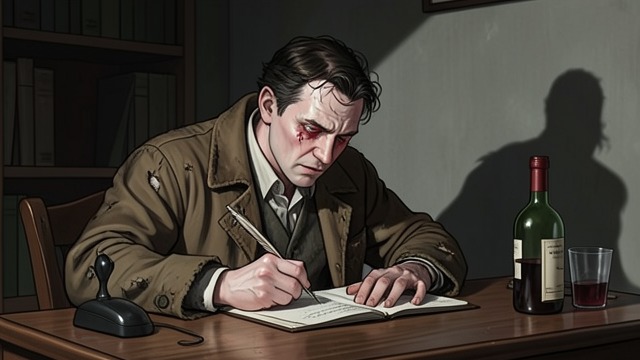
Nicolas’s Creative Control
Nicolas writes increasingly daring plays and becomes the troupe’s central artistic force. His work turns vampires into visible subjects while preserving an audience’s belief that everything is staged.
Inspiration and Instability
His creativity coexists with drinking, erratic behavior, and attempts to transform others. Eleni and Armand restrain him while depending on his talent.
Significance
The theater’s success grows from the same intensity that eventually makes its creator difficult to protect.
The Burning of Nicolas
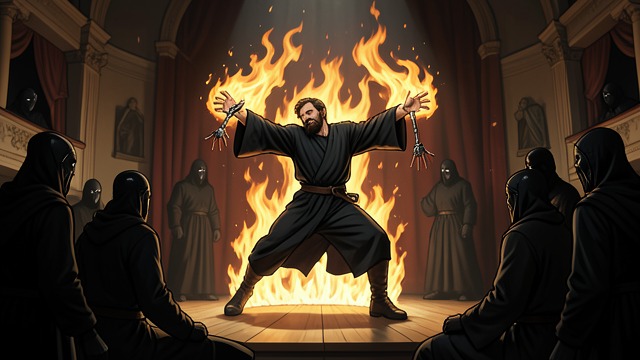
The Burning of Nicolas
Armand imprisons Nicolas after his reckless behavior threatens the troupe. Nicolas’s hands are cut off, then restored, but his despair and instability deepen.
The Final Rite
Nicolas demands a traditional Sabbat and enters the fire. The troupe cannot prevent his death, and his violin is sent to Lestat.
Significance
The theater’s central artist dies inside the very ritual system that the company had transformed into spectacle.
A Theater Without Lestat
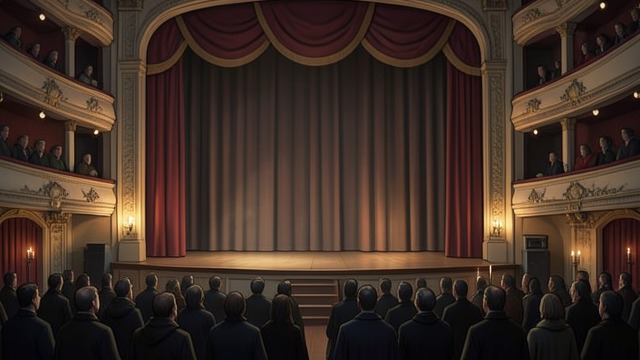
A Theater Without Lestat
The troupe keeps performing under the name Theater of the Vampires, drawing crowds with plays about vampires and the supernatural. Its history remains entangled with Lestat’s gifts and Nicolas’s absence.
A Living Legacy
The company survives across generations, while Armand watches over it and limits its dangers. Lestat hears of its continuing success from afar.
Significance
The theater demonstrates that art can outlast its makers, even when its beauty carries grief and violence.
During Lestat’s first months as a vampire in Paris
After the troupe returns from England
The years after Lestat leaves Paris
After Nicolas loses his hands and demands a final Sabbat
After Nicolas’s death and before Lestat’s 1984 return
