
The Logic of Survival
The Way of KingsCharacters repeatedly calculate what can be sacrificed, revealing competing ideas of survival, value, and the limits of rational action.
increasing Bearing strength in each event
 decreasing
Bearing strength in each eventdecreasingThe Soldier as Resource
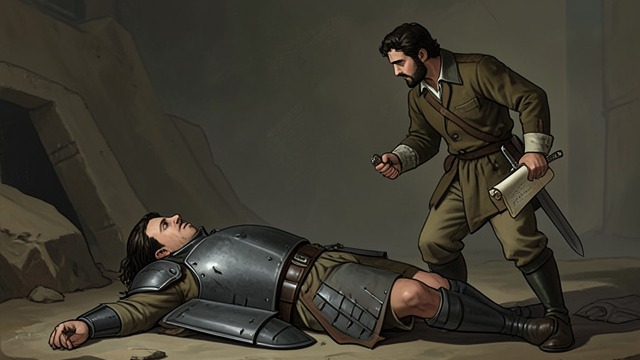
Calculated Expendability
Bodies as Protection
Sadeas treats bridgemen as a renewable resource whose deaths preserve trained soldiers and horses.
Rationality’s Corruption
The policy is tactically coherent but morally catastrophic. The novel refuses to let efficiency stand as proof of legitimacy.
The Surgeon’s Triage

Choosing Who Can Live
Three Guidelines
Lirin treats the youngest first, the worst wound first, and finally recognizes when a patient cannot be saved.
Mercy Without Murder
He refuses to kill Roshone even when doing so would benefit the town. His ethical discipline contrasts with commanders who make death convenient.
The Shardblade’s Price
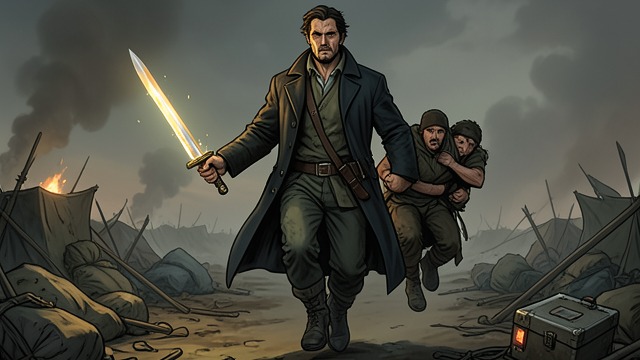
Price against Value
Material Calculation
A Shardblade can purchase kingdoms, yet Sadeas values the weapon more than thousands of bridgemen.
Ethical Revaluation
Dalinar rejects that hierarchy and trades the Blade for the prisoners. Value becomes a question of moral commitment rather than market price.
Taravangian’s Arithmetic
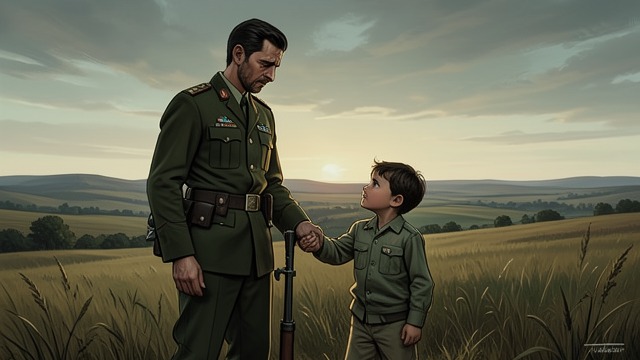
Saving the World by Killing
Numerical Justification
Taravangian treats deaths as necessary inputs for knowledge, stability, and future survival.
The Limits of Calculation
His argument resembles military logic but reaches its hidden conclusion: people become expendable whenever a leader believes the future is important enough.
Kaladin’s Refusal of the Easy Answer
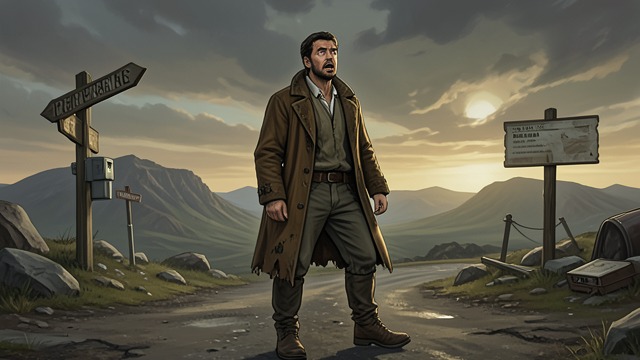
No Perfect Choice
Escape or Return
Kaladin knows that returning may kill Bridge Four, while leaving guarantees Dalinar’s army will be abandoned.
Ethical Action Under Uncertainty
He chooses the path that preserves responsibility rather than the path with the greatest chance of personal survival.
During Sadeas’s bridge operations
During the treatment of Rillir and Roshone
During Dalinar’s exchange with Sadeas
During Szeth’s final interlude
During the final rescue decision
