
The Parshendi and Their Dead
The Way of KingsThe novel’s view of the Parshendi shifts from enemy stereotype to recognition of culture, discipline, grief, and reciprocal honor.
increasing Bearing strength in each event
 decreasing
Bearing strength in each eventdecreasingThe Supposed Savages
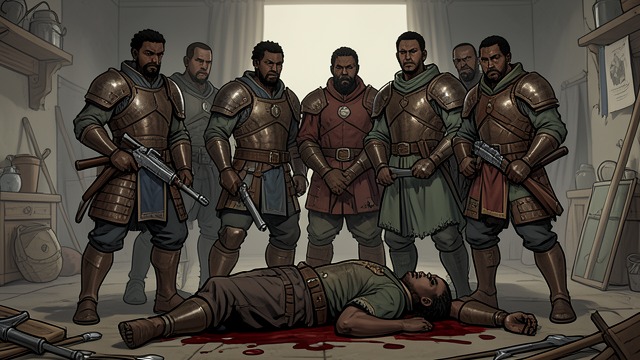
An Enemy Reduced
Alethi Assumptions
The Alethi describe the Parshendi as primitive, dangerous cousins of Parshmen, useful mainly as a target for vengeance.
Ignorance as Strategy
This simplification supports the war’s brutality. Soldiers can kill more easily when they refuse to imagine the enemy as culturally complex.
The Songs of Battle
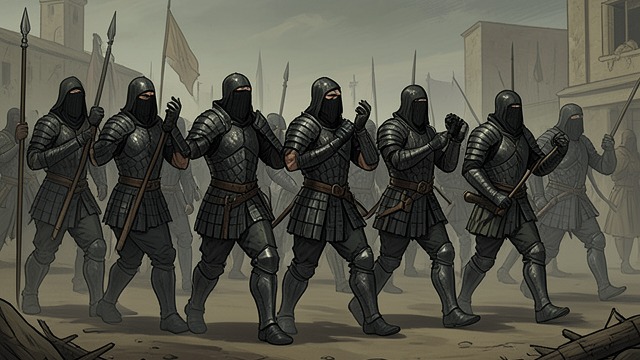
Music Amid Violence
Coordinated Warfare
Parshendi soldiers sing together while fighting, coordinating movements and preserving shared identity amid chaos.
Alienation and Recognition
Their music initially makes them seem inhuman. Kaladin and Dalinar gradually hear discipline, grief, and community within it.
The Corpse Taboo
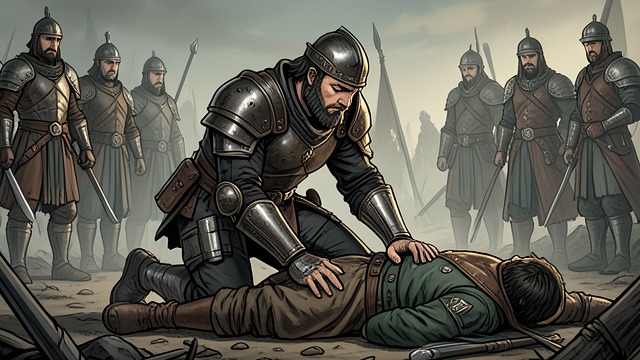
Desecration as Provocation
A Forbidden Act
Shen reacts violently when Bridge Four handles Parshendi bodies, revealing that the dead are treated as sacred among his people.
Tactical Exploitation
Kaladin later wears Parshendi bones and carapace to provoke archers, turning cultural reverence into a weapon while recognizing the moral cost.
The Honorable Enemy
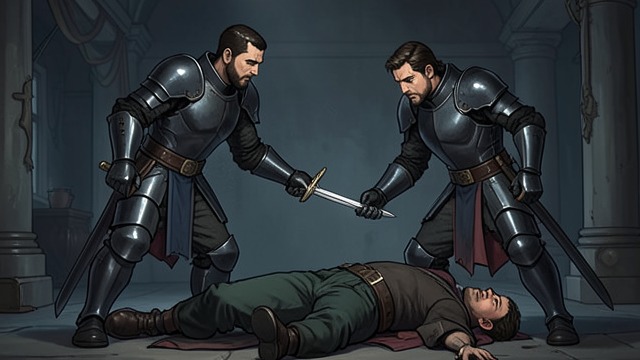
Respect Across Weapons
Soldiers with Restraint
Kaladin notices Parshendi fighters avoid wounded opponents and fight in disciplined pairs rather than as a chaotic mob.
A Reversal of Judgment
The enemy displays the professional battlefield ethic Kaladin expected from Alethi officers. His hatred becomes complicated by respect.
The Ancient Voidbringers
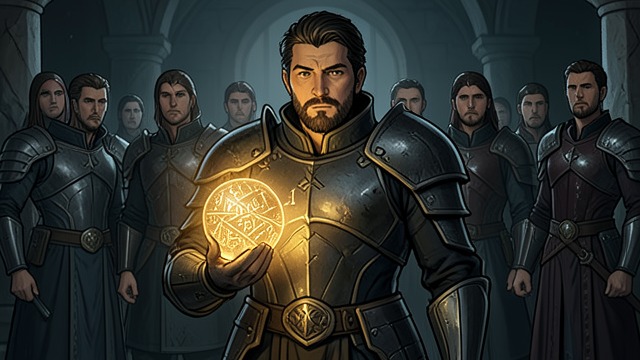
The Enemy Within Civilization
Historical Recognition
Jasnah connects ancient accounts of ash, fire, black eyes, music, and transformation with the modern Parshmen.
Enslavement as Revelation
The Voidbringers were not destroyed. Humanity enslaved them, making present civilization dependent on a suppressed and potentially explosive history.
Early descriptions of the Shattered Plains war
During recurring plateau assaults
During Kaladin’s chasm scavenging
During Kaladin’s final defense of the bridge
Near the ending after Shallan reads Jasnah’s notes
