Assassination of King Gavilar
The Way of KingsAssassination of King Gavilar is the decisive opening action of The Way of Kings: Szeth-son-son-Vallano, Truthless of Shinovar, infiltrates a treaty-signing celebration, kills King Gavilar Kholin, and transforms a political execution into a mystery about succession, responsibility, and the future of Roshar. The act is carried out as obedience, but its final gesture—a blood-written request to find the most important words a man can say—gives the murder a moral and prophetic significance beyond the killers’ immediate purpose.
Causes and Background
Szeth arrives at the celebration as an unwilling instrument. He wears white because it is a Parshendi tradition required by his masters, not because it belongs to his own culture, and he obeys without asking for an explanation. While guests dance, drink sapphire wine, shout, sing, and collapse from excess, Szeth remains apart in white robes, overlooked as a harmless Shin servant. His apparent insignificance is the condition that lets him approach the king’s hall without drawing attention.
Szeth’s position as Truthless defines the brutal logic of the assassination. Killing is regarded as the greatest of sins, yet he has been condemned to kill at the command of others. His punishment does not permit him to end his own life; as Truthless, the one life he is forbidden to take is his own. The assassination therefore begins as an act of coerced obedience rather than personal vengeance. Szeth does not choose the political cause, the target, or the white clothing that marks the occasion, but he remains responsible for carrying out the order.
The scene also places the murder within a network of competing laws and traditions. Szeth is bound by his masters’ commands and by the rules attached to his status, while the celebration itself is a diplomatic gathering involving the Parshendi. Later disputes in the novel repeatedly turn on whether military necessity, formal codes, or inherited authority can justify the treatment of other people. Gavilar’s assassination establishes that pattern at the highest level: an act presented as duty becomes an event whose consequences escape every stated justification.
What Happens
Szeth enters the king’s hall and reaches the guards. At the tenth beat of his heart, his Shardblade forms in his waiting hand as though condensing from mist, with water beading along the metal. The blade is long, thin, and double-edged, smaller than most other Shardblades. Szeth sweeps it through the stone floor and through a guard’s neck. A second guard recognizes the danger and cries out that a Shardbearer is assaulting the king’s hall, turning the hidden attack into an emergency.
The Shardblade’s method of killing makes the scene more disturbing than an ordinary sword attack. It cuts stone and steel cleanly, but when it passes through living flesh it does not leave a conventional wound. Instead, the guard’s eyes smoke, burn, blacken, and shrivel before he dies. The weapon severs the soul rather than cutting the body in the ordinary sense. Szeth’s supernatural power is therefore inseparable from the assassination’s violation of personhood: the attack does not merely defeat the king’s protection but annihilates the life within it.
Szeth uses his abilities to move through the palace and attack Gavilar’s defenses. He breaks the king’s Shardplate and sends the balcony crashing to the ground. The fall is brief, but the king survives because Shardplate protects him from the impact. A length of bloodied wood has pierced Gavilar’s side through the damaged Plate, leaving him in pain beneath the wreckage. Szeth, weakened because he has spent Stormlight too quickly, approaches the dying man while barely able to remain standing.
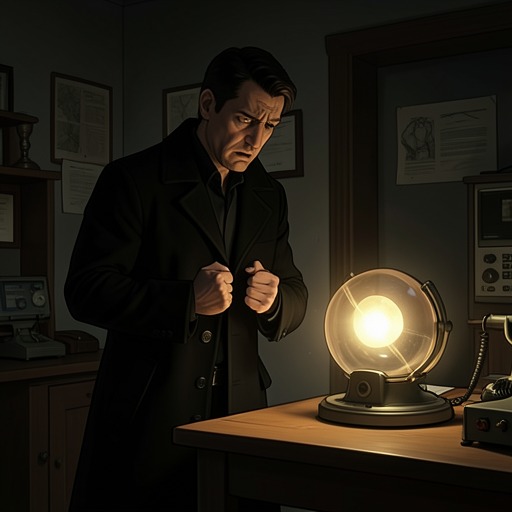
The wounded king is identified as Gavilar Kholin by his square chin, black beard flecked with white, and pale green eyes. Gavilar says that he expected Szeth to come. Szeth then reaches beneath the breastplate and exposes the gemstones set inside it: two are cracked and burned out, while three still glow. He absorbs their Light, using the king’s remaining resources to restore his own strength. The gesture is practical and necessary, but it also makes the assassination a transfer of power from the dying ruler to the servant who has killed him.
Gavilar begins to speak a final request to his brother. For Szeth’s people, a dying request is sacred, so he takes the king’s hand, dips it in Gavilar’s own blood, and uses it to write on the wood: “Brother. You must find the most important words a man can say.” The message is brief, but it redirects the meaning of the scene. Szeth is not simply an executioner completing an order; he becomes the bearer of a final communication whose recipient is absent and whose significance is not yet understood.
Szeth escapes into the night when alarms rise inside the palace. He leaves Gavilar’s Shardblade behind because he has no use for it. The weapon he already carries is, in his words and conduct, curse enough. His refusal to take the king’s Blade distinguishes the assassination from ordinary plunder and underscores the difference between an imposed mission and personal ambition.
Immediate Consequences
Gavilar’s death removes the king at the moment of a treaty-signing celebration and places the stability of Alethkar in question. The murder is both a physical attack on the royal household and a political rupture: the king is killed inside his own palace, by an infiltrator whom the guests initially mistake for a servant. The contrast between public festivity and sudden royal death gives the event its defining shape. Celebration becomes panic, and diplomatic ceremony becomes the prelude to a wider conflict.
The assassination also leaves behind an unresolved chain of responsibility. Szeth acts under orders, but the identities and purposes of those who command him are not explained in the scene. His status as Truthless makes him visible as the killer while concealing the power that directs him. The result is a classic displacement of blame: the man holding the blade is known, but the political intention behind the blade remains hidden.
Gavilar’s final message creates a second consequence that is less immediate but more enduring. The request to find the most important words a man can say points toward Gavilar’s brother and toward the novel’s concern with oaths, leadership, and moral speech. The king’s death therefore produces not only succession and retaliation but also a question about what language can accomplish after authority has failed. A message written in blood survives the speaker, while the killer who carries it remains bound to silence and obedience.
Narrative Significance
As the novel’s opening crisis, the assassination establishes a recurring contrast between official ideals and actual conduct. Military codes later insist that a general must not ask a man to do anything he would not do himself, while Amaram later justifies taking Shards by claiming that it will serve Alethkar best. Dalinar’s insistence that a commander should face the dangers imposed on soldiers gains force against the opening image of a king killed by a servant acting under commands issued elsewhere. The event prepares the novel to question who bears the cost of decisions made in the name of kingdoms, armies, or the greater good.
The murder also introduces the novel’s geography and political breadth through the identities and movements surrounding it. The killers’ connection to Shinovar, the Parshendi custom of white clothing, and the royal setting of Alethkar place the event within a world of cultural difference rather than a closed court intrigue. Later scenes move through the Purelake, Kharbranth, Sesemalex Dar, and other distant regions, but the assassination remains the narrative hinge from which those wider networks of trade, religion, war, and information unfold.
Finally, the event is framed by foreboding rather than closure. A recorded death statement warns that the Everstorm comes, and Szeth’s opening mission is followed years later by his continued life as a burdened porter in Kharbranth, still keeping his eyes lowered beneath the sun. The assassination thus does not end with Gavilar’s fall. It begins a long aftermath in which the king’s last words, Szeth’s obedience, and the hidden purpose of the killing continue to shape the story.