Kaladin Speaks the Second Ideal
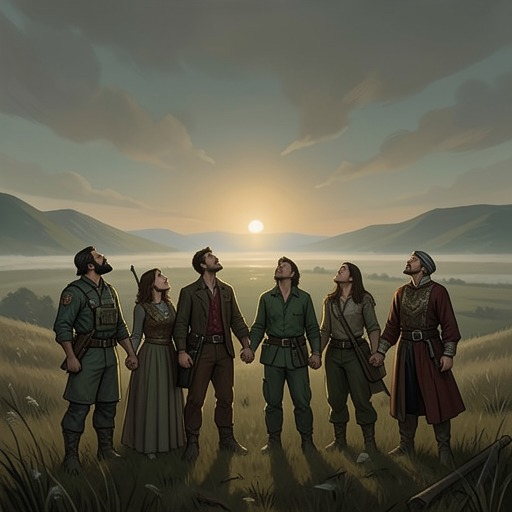
The Way of KingsKaladin Speaks the Second Ideal marks the transformation of Kaladin’s protective impulse into a binding declaration. The moment occurs during the battle in the chasms, when he is physically depleted and psychologically trapped by the memory of Tien’s slaughter. Surrounded by the apparent repetition of that helplessness, Kaladin chooses to act for others anyway; his spoken vow is immediately followed by a supernatural release of Stormlight and a change in the battle’s balance.
Causes and Background
Kaladin reaches the moment under the pressure of two overlapping memories. He hates recalling the day he searched for Tien because the search ended with him kneeling powerless while his brother was slaughtered. In the present, the same emotional pattern returns: Rock, Moash, and Teft appear certain to die, while Kaladin lies barely able to move, drained and unable to intervene. The battlefield therefore becomes more than a military crisis. It reproduces the central wound of his past, placing him once again before people he loves while denying him the strength to protect them.
Sylphrena interrupts that paralysis by hovering before him and asking whether he knows the Words. Her question gives the scene a ritual and relational structure: Kaladin does not simply discover power by force of will, but is called toward a formulation that has been waiting beyond his conscious knowledge. He answers that all he ever wanted was to protect them, and Sylphrena identifies that desire as the reason she has come. The oath is thus rooted in a motive already established by his actions, rather than imposed upon him from outside.
The Choice on the Bridge
The immediate decision comes when Kaladin sees Lopen’s litter ahead of him. Among the drained water bottles and ragged bandages lies a spear, its steel head catching the sunlight. The weapon both frightens him and draws him, whispering to him as he takes hold of it. It is the first real weapon he has held since his display in the chasm many weeks earlier, and its presence turns his recovery from a passive miracle into a physical choice.
Kaladin runs toward Bridge Four even though his body is exhausted. He begins slowly, gathers speed, and charges recklessly toward a bridge only halfway across the chasm. When he runs onto it, the bridge is already moving and the wood wobbles over the drop without yet reaching the far side. Sylphrena flies ahead of him and looks back in worry, reminding him again of the Words. The scene makes the oath inseparable from risk: Kaladin must move before certainty, strength, or safety has returned.
The Spoken Ideal and Its Effect
Kaladin reaches the rocky ledge in a crouch with the spear beneath his arm. At that instant his legs become strong and his mind, body, and blood fill with energy. A small ring of Stormlight expands from him and is driven into the stones by his landing. The Parshendi recoil, their eyes widening and their song faltering, as the physical signs of his transformation become visible to everyone nearby.
Stormlight begins closing the wounds on his arm. The spear feels familiar to him, and he holds it before him as though recovering a part of himself that had been absent. More importantly, an urgent voice tells him the Words, and Kaladin realizes that he knows them despite never having been taught them. He whispers, "I will protect those who cannot protect themselves," which the narrative identifies as the Second Ideal of the Knights Radiant.
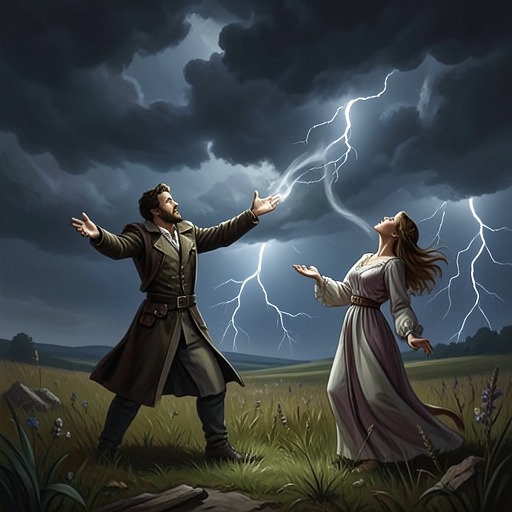
The utterance functions as both promise and action. Kaladin does not merely describe a value; by speaking the Ideal, he commits himself to a form of responsibility and enters a new state of power. The vow’s immediate consequence confirms the connection between language and transformation. A crack like an enormous clap of thunder shakes the clear air, Teft stumbles back after setting the bridge in place, and Bridge Four watches as Kaladin erupts with energy.
Consequences and Significance
A burst of white Stormlight washes outward from Kaladin like smoke. Its force strikes the first rank of Parshendi and throws them backward, compelling Teft to shield his eyes from the intensity. The effect is not private or symbolic alone; it alters the battlefield in front of Bridge Four and makes Kaladin’s new status legible to the people beside him. Moash recognizes that something important has changed, even before the full meaning of the event can be understood.
The Ideal also resolves the scene’s central reversal. Kaladin begins by reliving the helplessness of Tien’s death and imagining Rock, Moash, and Teft suffering the same fate. He ends not by escaping the danger but by accepting responsibility within it. Protection becomes an active discipline rather than a wish, and the movement across the unstable bridge becomes a physical counterpart to that inner passage. His oath gives a precise shape to the purpose that has driven him all along: those who cannot protect themselves are now the people to whom his strength must belong.