
Stories That Bridge Missing History
The Wind-Up Bird ChronicleThis thread follows how private recollections, wartime testimony, and invented chronicles fill gaps in the past while refusing to make fact and truth identical.
increasing Bearing strength in each event
 decreasing
Bearing strength in each eventdecreasingMamiya’s Unfinished Testimony
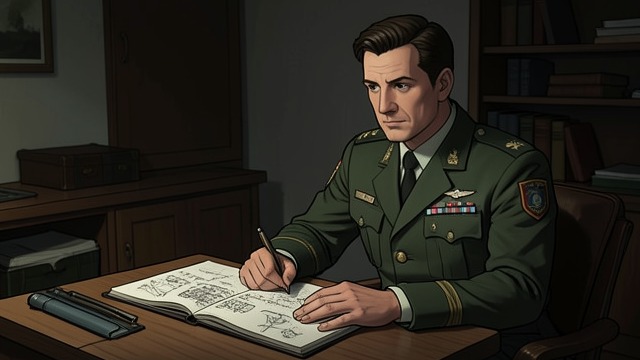
A Witness Returns to the Past
The Story of the Well
Tokutaro Mamiya recounts his wartime mission, the torture of Yamamoto, and his own abandonment in a desert well. His account reaches Toru through a man who has carried the memory for decades without sharing it.
Testimony and Its Limits
Mamiya presents the events as truth, but his understanding of the light in the well remains a personal hypothesis. His story shows how testimony can preserve experience while leaving its meaning unresolved.
Nutmeg’s Repeated Story
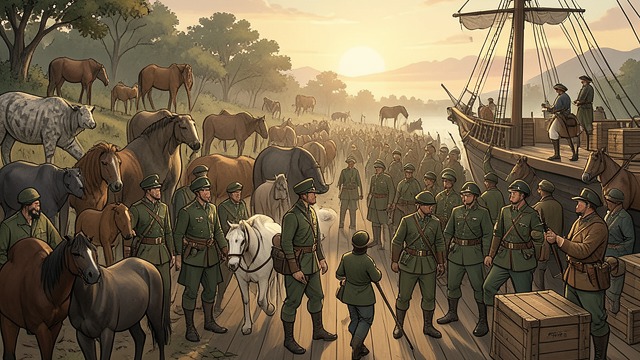
Memory Becomes Narrative
The Zoo and the Ship
Nutmeg repeatedly tells Cinnamon about the zoo in Hsin-ching and the transport ship that carried them toward Japan. Details of animals, soldiers, smells, and light accumulate through retelling.
A Shared Inheritance
The story becomes a language through which mother and son share a past they cannot fully verify or repair. Nutmeg’s memory is vivid, but she herself questions whether its vividness records the world as it was or the world memory has made.
The Chronicle Inside the Computer
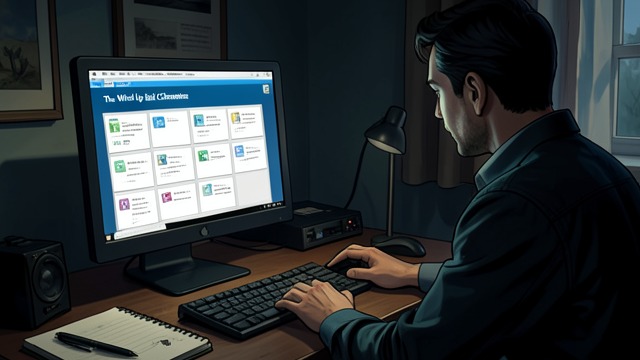
A Private Archive
Stories Behind a Password
Toru discovers that Cinnamon has stored sixteen documents under the title “The Wind-Up Bird Chronicle.” One accessible story revisits the Hsin-ching zoo and invents a connected episode around the veterinarian, soldiers, and a hidden grave.
Invention as Inquiry
The chronicle does not simply report what happened. It uses imagined events to explore what might have happened and what the past could mean to a descendant who never witnessed it. Its uncertainty is part of its method, not a defect to be corrected.
The Family’s Historical Knot
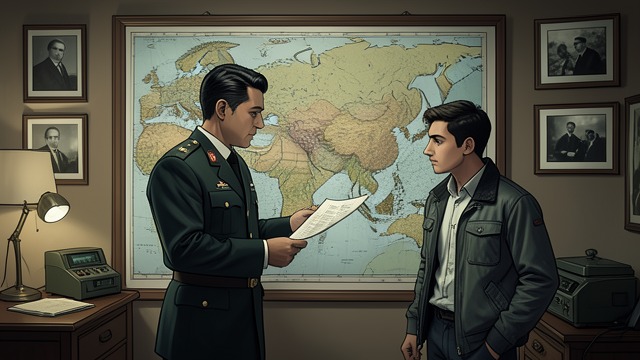
A Past Enters the Present
Names Across Generations
Toru learns that Yoshitaka Wataya studied logistics in Manchukuo and was associated with Kanji Ishiwara. The information links Noboru Wataya’s political family to the institutions and ambitions of the prewar empire.
History Without Simple Inheritance
These connections do not prove that the past dictates the present, but they make Toru’s personal conflict harder to isolate from historical forces. The novel places individual lives inside histories whose consequences continue long after the original decisions.
The Unread Final Chronicle
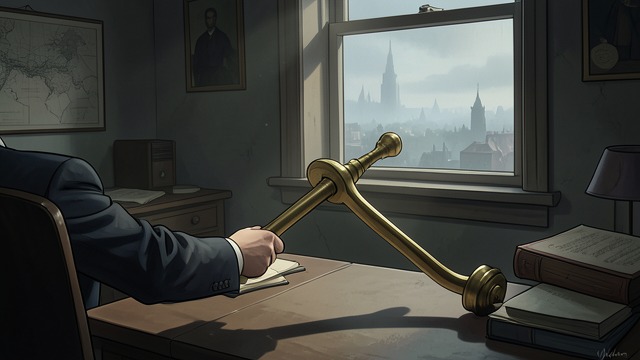
A Story Left Open
The Seventeenth Document
Cinnamon’s computer later presents a seventeenth document: a letter from Kumiko explaining that she intends to kill Noboru Wataya and accept the consequences. The message gives Toru a direct statement, but not a face-to-face reunion or a complete account of her experience.
Truth Without Closure
Kumiko’s letter narrows one uncertainty while leaving others intact. Her confession does not restore their former life, and the chronicle’s archive remains larger than the portion Toru can access. Storytelling offers contact across separation, but not a final authority over what is true.
Summer 1984, when Tokutaro Mamiya visits Toru
After Nutmeg and Cinnamon begin discussing her childhood and work
Late 1984, after Toru gains access to Cinnamon’s computer
After Toru reads about Yoshitaka Wataya’s work in Manchuria
After Toru returns from the flooded well and before the final farewell
