
The Self Made Elsewhere
The Wind-Up Bird ChronicleThis thread explores how the novel unsettles the idea of a unified, self-created identity through pain, memory, bodily change, and the stories people inherit.
increasing Bearing strength in each event
 decreasing
Bearing strength in each eventdecreasingKumiko’s Broken Childhood
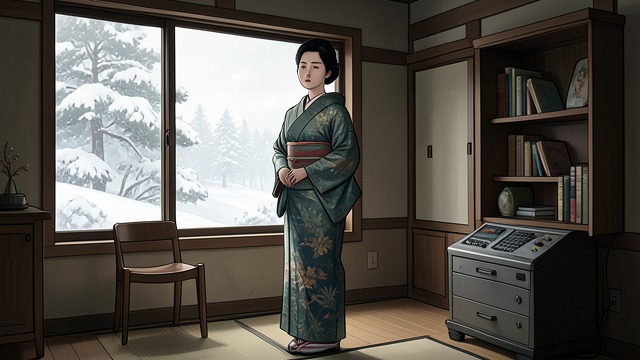
A Self Shaped by Separation
An Early Rupture
Kumiko is sent away to live with her grandmother in Niigata and later returns to a household transformed by grief after her sister’s death. She describes closing herself off when the adults around her cannot offer a secure account of what has happened.
Inherited Distance
Her childhood helps explain why intimacy remains difficult even in a chosen marriage. The person Toru knows as his wife has been formed by earlier separations that he cannot undo and only partially understands.
Creta’s Three Selves
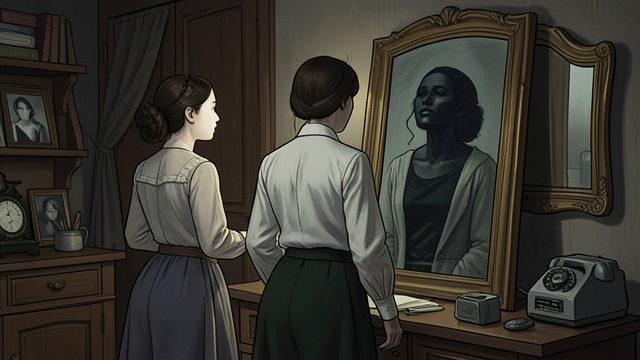
Pain, Numbness, and Rebirth
A Body That Stops Feeling
After a failed suicide attempt, Creta Kano loses the physical pain that had shaped her life, but also experiences a profound numbness and separation from her own body. Her relief is inseparable from the loss of ordinary sensation and selfhood.
A New Container
She describes later emerging as a third self, not a recovered original but a person who must build an identity through experience. Her account makes transformation possible while leaving its source morally disturbing and emotionally unresolved.
The Body as a Passage

A Self That Can Be Entered
An Unstable Encounter
In a dreamlike encounter, Creta Kano enters Toru’s consciousness and describes herself as a medium through which other minds pass. Toru experiences the scene bodily, even though he cannot place it securely in physical reality.
Permeable Identity
The encounter challenges the belief that a person’s body and consciousness form a sealed, stable unit. In the novel, a self can be a container, a passage, or an experience whose reality cannot be established by ordinary observation alone.
The Boy in the Wrong Body
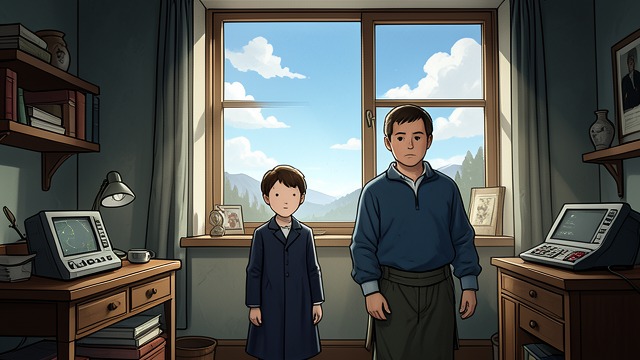
A Self Without Speech
Silence Arrives
Cinnamon stops speaking just before his sixth birthday. Medical examinations find no physical cause, while those closest to him gradually learn to communicate with him through signs, gestures, and writing.
A Different Interior
His silence does not erase thought or personality; it changes how they become available to others. Nutmeg comes to understand that the person inside Cinnamon cannot be measured by speech alone, while his later computer stories offer another route into his inner world.
The Cheek Mark Disappears
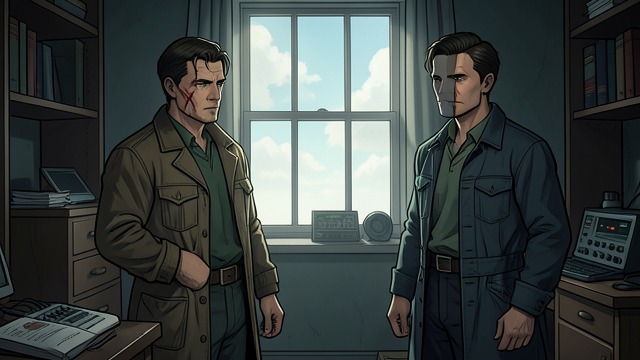
A Changed Face
The Mark and the Wound
After Toru wakes from his near drowning, he discovers that the blue-black mark on his cheek has vanished, leaving the fresh wound made by the knife. The feature that had linked him to other marked figures is no longer present.
Identity After the Sign
The change offers no complete explanation of what the mark meant or what its disappearance accomplishes. Instead, Toru must face a self altered by events that cannot be reduced to a visible emblem, while the scar remains as a different record of what happened.
Kumiko’s childhood, before she meets Toru
From Creta Kano’s 1978 suicide attempt through her later account to Toru
During Toru’s second dream of Room 208
During Cinnamon’s childhood, around the time he stops speaking
After Toru is rescued from the flooded well
