Creta Kano’s chronic physical pain
The Wind-Up Bird ChronicleCreta Kano’s chronic physical pain is the bodily burden she identifies as the direct cause of her decision to take her own life on her twentieth birthday. In recounting years of recurring symptoms, she insists that pain was physical rather than metaphorical, and describes a life shaped by its persistence, unpredictability, and interference with ordinary activities.
Identity and Background
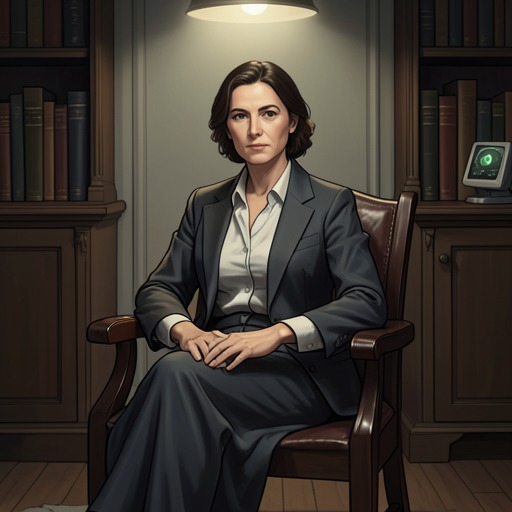
Creta Kano tells the account to Toru Okada, beginning with her birth date, May 29, and her decision to die on the night of her twentieth birthday. The scene is domestic and unhurried: Toru serves coffee, and the two eat eggs while a telephone rings unanswered. Against that quiet setting, her recollection establishes a stark contrast between the ordinary present of the conversation and the long duration of suffering she describes.
Her first concern after deciding to die is how her family might understand her death. She tries for an hour to write a note explaining that no one else is to blame and that the reasons lie within her, but every version seems foolish or comical to her. Unable to complete it, she abandons the note. The failed attempt to explain her decision foreshadows the difficulty of making sustained physical suffering intelligible to someone who has not experienced it.
The Pain and Its Recurrence
Creta presents pain as a repeated fact of daily life, not a single injury or isolated crisis. She lists headaches, toothaches, menstrual cramps, lower-back pain, stiff shoulders, fever, muscle aches, burns, frostbite, sprains, fractures, and bodily blows. She says these experiences came more frequently and intensely to her than to other people, and describes her teeth as having an apparent inborn defect: despite careful brushing and avoiding sweets, cavities kept forming. Anesthetics seemed ineffective, making dental treatment a recurring ordeal.
Menstruation brought another predictable period of severe pain. For about a week each month, she says, the pain was so intense that it brought tears to her eyes. The monthly recurrence gives her account a calendar of its own: an entire week of each month was shaped by symptoms she could neither avoid nor shorten.
Travel and changes in elevation could also provoke pain. On airplanes, changes in air pressure made her head feel as if it were splitting; a doctor attributed the problem to the structure of her ears and sensitivity to pressure. Elevators in tall buildings caused similar episodes, so she could not use them. At least once a week, she also experienced sharp stomach pain severe enough to keep her from getting up in the morning. Doctors could not identify a cause, and some suggested the pain might be psychological. Creta’s response is that even if it had such an origin, it still hurt.
Effects on Everyday Life
Her account traces the reach of pain into school, movement, and social life. Although she sometimes woke unable to get up because of stomach pain, she felt she could not stay home from school each time something hurt; otherwise, she says, she would never have attended. The effort to keep going therefore becomes part of the history she tells, rather than evidence that the symptoms were slight.
Minor collisions left bruises, and the sight of her body in the bathroom mirror distressed her. She avoided appearing in a bathing suit and had hardly ever gone swimming. A difference in the size of her feet made new shoes painful until the larger shoe had been broken in. In junior high school, friends took her ice-skating; after she fell and hurt her hip, the area ached each winter. She also describes repeatedly falling while trying to rise from a chair, constipation that made bowel movements painful, and shoulder stiffness severe enough to make standing difficult. Lying down offered no relief, and when the stiffness was worst she could hardly breathe.
These details show chronic pain not only as a collection of symptoms but as a force narrowing what Creta could comfortably do. Swimming, sports, travel by elevator, and even wearing new shoes carried a physical cost. Her description remains anchored in specific constraints and recurring episodes rather than an abstract claim of suffering.
Decision and Significance
When Creta explains why she resolved to die, she says plainly that she was disappointed with her life and could no longer endure the pain it continued to cause. She describes having borne it for twenty years and having made what she considers her best effort to withstand it. Her conclusion on turning twenty is not that she had made no attempt to persevere, but that she had fought as hard as she could and no longer considered life worth continuing under those conditions.
The distinction she draws between physical pain and mental or metaphorical pain is central to her account. It resists reducing her decision to a symbol or a passing mood: she presents it as the outcome of repeated bodily experiences, failed explanations, and years of endurance. The unfinished note and the detailed spoken recollection also frame the narrative problem of pain: Creta struggles to explain the decision to her family in writing, yet tells Toru Okada at length what continuing to live in pain has meant.