
T. S. Garp: The Writer and the Father
The World According to GarpThis thread follows T. S. Garp from an unusual birth through literary ambition, family catastrophe, renewed work, and an early violent death.
increasing Bearing strength in each event
 decreasing
Bearing strength in each eventdecreasingA Name and a Beginning
Born from a Singular Choice
An Inherited Name
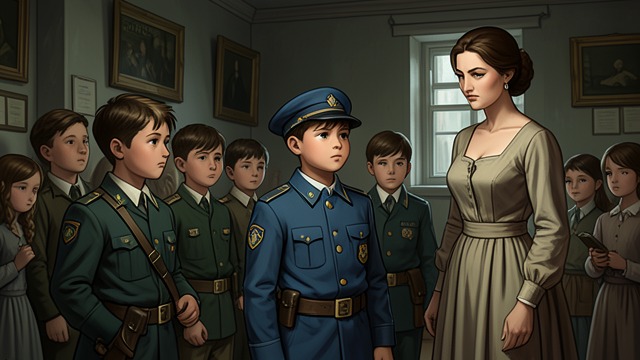
T. S. Garp is born after Jenny Fields conceives him with Technical Sergeant Garp, a wounded airman who cannot give his child an ordinary account of his family. Jenny names the baby Garp, then explains that his father’s name is all she knows. His initials preserve the limited identity available to her: Technical Sergeant Garp.
Growing Up Under Scrutiny
At Steering School, T. S. Garp grows up with his mother among the boys, aware that other people speculate about his father and his origins. Jenny refuses to disguise his illegitimacy, and the child learns that a name can invite questions without supplying answers.
The uncertain story of his conception becomes part of his inheritance, but it does not define his ambitions by itself. Garp develops through observation, physical discipline, and the example of a mother who insists that a person’s life need not follow other people’s expectations.
Finding a Calling

Wrestling and Writing
The Wrestling Room
Garp has difficulty finding a sport until Jenny takes him to meet Ernie Holm. Wrestling gives him a form of work that suits his compact strength, solitary concentration, and need for discipline. He becomes a successful school wrestler, although he does not mistake athletic achievement for the future he wants.
Helen’s Challenge
Garp’s imagination is stirred by Helen Holm, a serious reader who tells him she would marry a writer only if he were a real writer. He takes the challenge personally and decides to pursue writing rather than trying to become the best wrestler he can be.
His early stories are uneven, and Helen’s criticism matters precisely because he wants her respect. The determination that sustains his wrestling also becomes a habit of composition: he works regularly, seeks exact language, and treats writing as an earned craft rather than a natural gift.
The First Books and Recognition
Learning to Make Stories
Vienna and the First Major Story
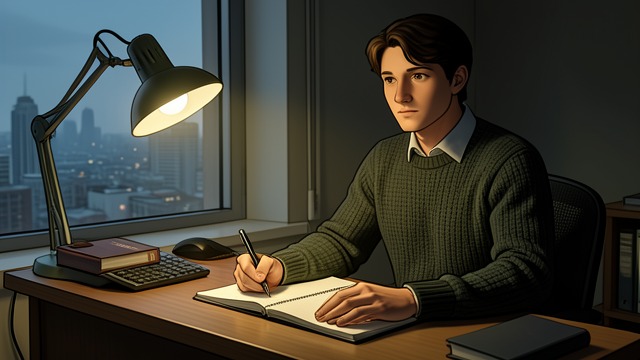
In Vienna, Garp accompanies Jenny Fields, explores a city that seems to him like a museum of a dead past, and struggles to invent a story with a shape. The strange residents and dreamlike events of Pension Grillparzer eventually give him a subject, but he waits until he understands how the characters and their deaths belong together before finishing it.
Success and Disappointment
Garp marries Helen Holm and spends years writing Procrastination, a first novel that earns respect but little money. His second novel, Second Wind of the Cuckold, draws on sexual relationships and marriage but is misunderstood and sells poorly. He experiences the result as failure, even though he continues to believe that fiction should be imagined rather than merely copied from life.
The contrast between his early short story and his later novels becomes a personal measure of what he hopes to regain: a voice capable of holding comedy, sadness, and compassion together without reducing people to examples in an argument.
Fatherhood, Loss, and Recovery
The Fear of Losing His Children
A Father’s Vigilance
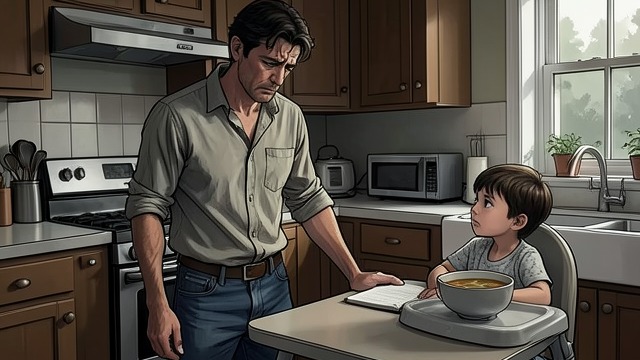
Garp raises Duncan Garp and Walt Garp while writing at home and managing the family’s daily life. His love is vivid, but it is accompanied by a constant expectation of danger. He watches the boys closely, imagines accidents, and struggles to distinguish ordinary childhood freedom from a threat he must prevent.
The Accident and Its Aftermath
During the collision involving The Volvo and the 1951 Buick Dynaflow, Duncan Garp loses an eye and Walt Garp is killed. Garp suffers injuries to his jaw and tongue. The family moves to Dog’s Head Harbor to recover, but neither the physical healing nor the birth of Jenny Garp erases the loss.
Garp eventually returns to writing and channels his anguish into The World According to Bensenhaver. He believes the novel is separate from autobiography, yet the work grows directly from his grief and his fear of what can happen to a family. The year of recovery leaves him more compassionate, but it also makes it harder for him to imagine beyond personal catastrophe.
Writing Again and Violent Death
A Brief Return to Creative Energy
Finding a New Beginning
After an Ellen Jamesian tries to kill him with the dirty white Saab, Garp survives and eventually resumes writing My Father’s Illusions. The novel turns toward an imagined father and family, giving him a route back to invention rather than recollection. The renewed work brings energy to his household and makes him believe he can begin again.
The Last Attack
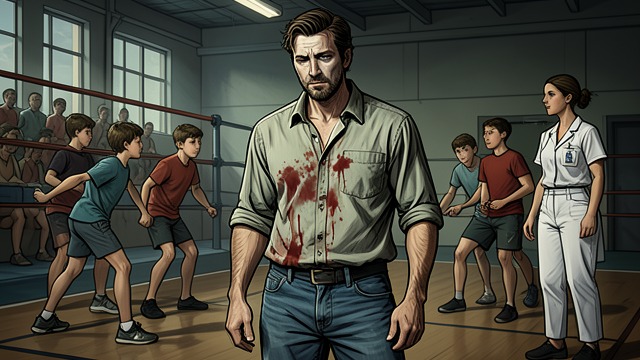
Garp continues coaching wrestling at Steering School and returns to the room that has long offered him discipline and refuge. Bainbridge Percy, now an Ellen Jamesian, enters disguised as a nurse and shoots him while his wrestlers practice. Helen Holm tackles her, but Garp’s wounds are fatal.
His death becomes another public event attached to his literary reputation, and his final life is interpreted by others in ways he could not control. The unfinished My Father’s Illusions and the renewed attention to The Pension Grillparzer preserve both the promise of his return and the incompleteness of a career cut short.
Boston, 1943
Garp’s final years at Steering School
From Vienna in 1961 through the publication of Garp’s first two novels
From Walt Garp’s birth through the family’s year of convalescence
After the attempted attack in the dirty white Saab, ending at Steering School
