
The Narrator's Mental Illness
The Yellow Wall PaperThis flow traces the narrator's distress as an experience repeatedly minimized, temporarily redirected, and ultimately expressed through an acute breakdown.
increasing Bearing strength in each event
 decreasing
Bearing strength in each eventdecreasingDistress Minimized
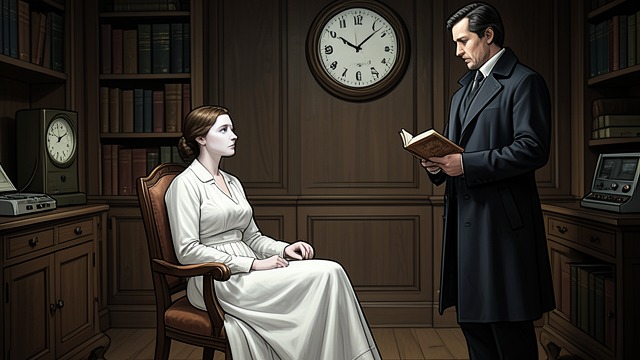
Distress Minimized
A diagnosis from others
John and the narrator's brother identify a minor nervous condition and deny that anything serious is wrong. The narrator, however, experiences suffering that their explanation does not account for.
The first divide
She suspects that John's role as physician may contribute to her slow recovery. Her doubt establishes that the problem includes not only symptoms but also a lack of trust in the treatment.
Rest Without Relief

Rest Without Relief
A prescribed routine
The narrator is directed to rest, eat, take tonics, and avoid work. Although John believes the schedule is protective, she says that inactivity and opposition make her tired and discouraged.
Symptoms remain hidden
She controls her feelings in front of John and writes when she can do so secretly. The appearance of compliance conceals an experience that the household does not fully see.
Crying and Fatigue
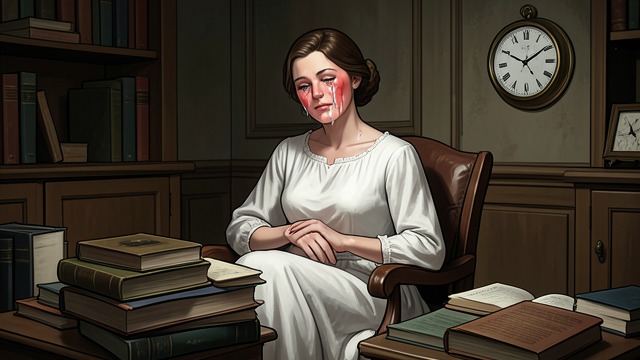
Crying and Fatigue
Worsening mood
The narrator reports feeling fretful, crying often, and struggling to do even small tasks. Social company has not prevented her condition from worsening.
Fear of escalation
John mentions sending her to Weir Mitchell, whose treatment she fears will be more restrictive. The prospect adds anxiety without changing the conditions she says are making her unwell.
Obsession Replaces Rest

Obsession Replaces Rest
Watchfulness intensifies
The narrator spends long stretches watching the wallpaper and believes its hidden woman moves behind the design. She eats better and feels more engaged, but her new purpose depends on an increasingly delusional interpretation.
A fragile improvement
John is pleased by what looks like progress. The mismatch between outward calm and inward fixation makes recovery difficult to judge by appearance alone.
Acute Breakdown
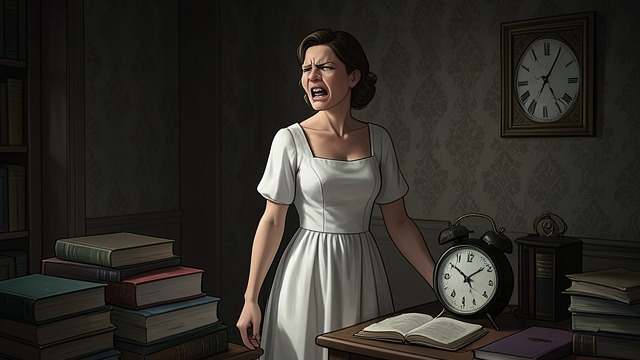
Acute Breakdown
Destructive action
The narrator strips the wallpaper, locks the door, and imagines herself secured against being taken away. Her actions show that the private vision has displaced ordinary judgment.
Crisis made visible
When John enters, she identifies with the escaping woman and continues creeping around the room. The climax exposes the severity of the illness that earlier reassurance had minimized.
Before the summer stay
During the early weeks at the estate
After the Fourth of July visit
During the later weeks at the estate
On the final day at the estate
