
The Symbolism of the Yellow Wallpaper
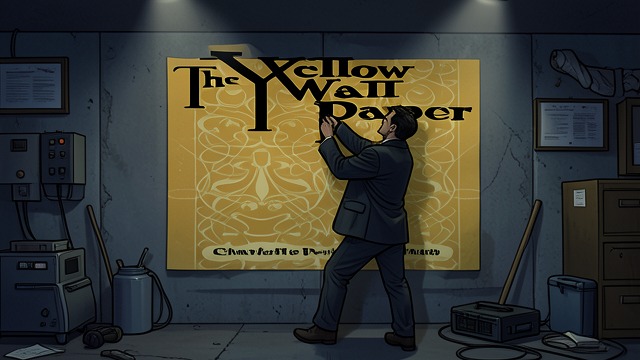
The Yellow Wall PaperThis flow traces how the wallpaper gathers meanings of disorder, confinement, hidden resistance, and escape as the narrator's crisis unfolds.
increasing Bearing strength in each event
 decreasing
Bearing strength in each eventdecreasingDisorder on the Wall

Disorder on the Wall
An unruly design
The narrator describes curves that fail to follow a stable order, with shapes that seem to break off and contradict one another. The wallpaper gives visual form to an environment she finds irrational and irritating.
Order questioned
Its chaos contrasts with John's confidence in schedules and measured signs of health. The decor thus begins to echo a larger disagreement over whose account of reality should prevail.
Color as Repulsion
Color as Repulsion
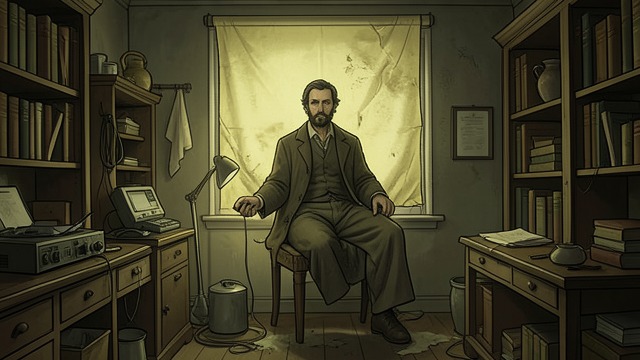
A sickly yellow
The narrator associates the paper with foul, unclean shades rather than pleasant yellow things. Its color provokes disgust and lingers in her attention.
Atmosphere made physical
The wallpaper's color is not merely decorative; it shapes the room's emotional climate. The nursery becomes difficult to experience as a place of health and comfort.
A Figure Behind the Surface
A Figure Behind the Surface
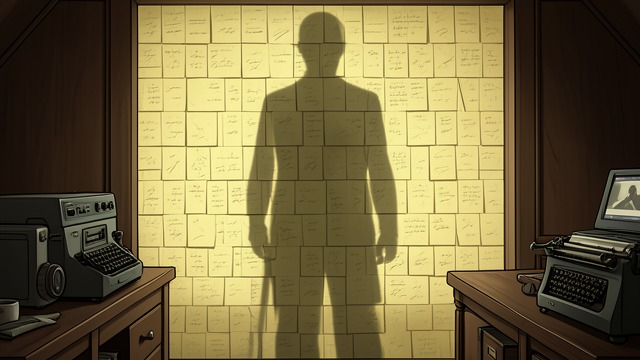
Hidden life imagined
The narrator sees a woman behind the wallpaper's conspicuous pattern. The layered design suggests a visible surface concealing another reality beneath it.
Meaning beyond decoration
The hidden figure can be read as an image of experience that the household dismisses or cannot see. Its growing presence makes the wallpaper a symbol of concealed distress as well as an object of obsession.
The Pattern as Bars
The Pattern as Bars
Confinement rendered visible
The narrator sees the wallpaper's outer pattern become bars at night. Behind it, the woman grips and shakes the barrier, turning design into a scene of captivity.
A structure of restraint
The image connects the room's actual restrictions with the narrator's sense of being controlled. Its force comes from the way an ordinary surface appears to embody a lived condition.
Paper Torn as Liberation
Paper Torn as Liberation
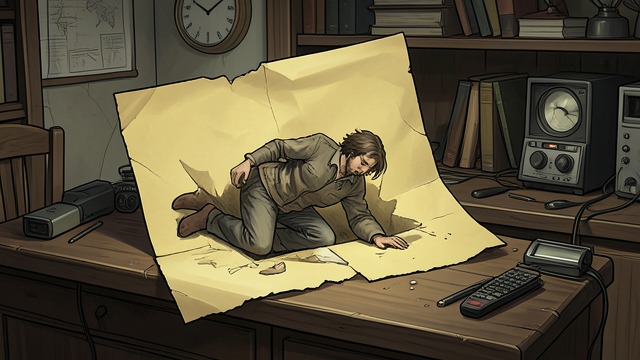
Surface destroyed
The narrator tears the wallpaper away, believing she is helping the woman get free. Destruction becomes a symbolic refusal of the pattern that has contained the imagined figure.
Ambiguous release
The act expresses a real desire for autonomy, yet it occurs within a severe psychological breakdown. The story holds liberation and harm together without making the ending a straightforward triumph.
At the start of the stay
During the first weeks
Around the middle of the stay
During the moonlit nights
On the final day at the estate
