
The Narrator's Bond with Writing
The Yellow Wall PaperThis flow traces writing as a form of mental and emotional companionship that is forbidden, hidden, and eventually displaced by obsessive watching.
increasing Bearing strength in each event
 decreasing
Bearing strength in each eventdecreasingA Need to Write
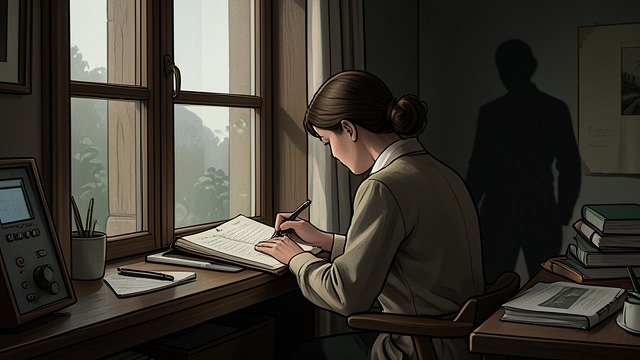
A Need to Write
Work as possible aid
The narrator believes congenial work, excitement, and change could help her recover. Writing is part of how she imagines restoring a sense of purpose.
Desire opposed
John's instructions forbid work, putting her preferred means of expression in conflict with the treatment she must follow. The loss feels personal as well as medical.
Pages Kept Hidden
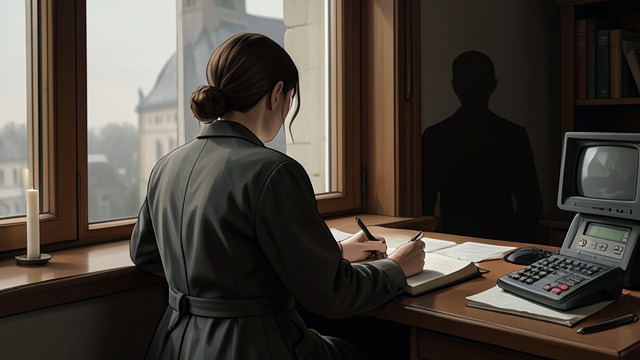
Pages Kept Hidden
A secret practice
The narrator writes in short intervals and hides her work when people approach. The page becomes a protected place to record thoughts she cannot share openly.
Relief and risk
Writing gives her some release, but concealment brings fatigue and the possibility of opposition. Her relationship with the practice is therefore both sustaining and strained.
A Missing Conversation
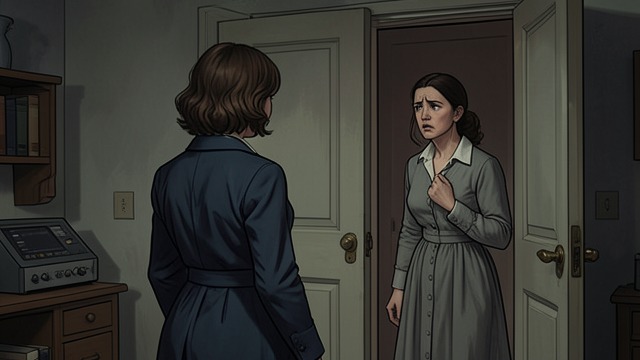
A Missing Conversation
Unshared ambitions
The narrator longs for advice and companionship about her work. John postpones inviting stimulating relatives until she is well, treating their company as a danger rather than a need.
Isolation deepens
Without a reader or conversation partner, writing cannot become a shared activity. The narrator's intellectual life remains private, reinforcing the loneliness of her recovery.
Thought Redirected to Wallpaper

Thought Redirected to Wallpaper
Observation takes over
The narrator devotes increasing attention to the wallpaper's design, light, and imagined movement. Her sustained interpretation absorbs the energy she once hoped to put into writing.
Expression transformed
The impulse to make meaning remains, but it takes a more destabilizing form. The wallpaper becomes a substitute focus for the writing and exchange she has been denied.
A Written Record of Crisis
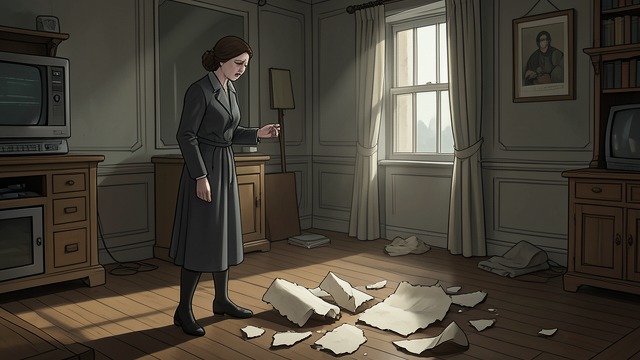
A Written Record of Crisis
Private testimony
The narrator's account preserves her changing thoughts through the moment she tears the paper and locks herself in. Its directness brings readers close to a voice otherwise discounted by the household.
Expression without recovery
The act of telling does not provide a cure or a clear return to shared reality. Writing remains a witness to the crisis, not a means that can by itself undo it.
Before the stay at the estate
During the opening days at the estate
During the middle weeks
During the later weeks
At the end of the story
