the narrator writes in secret
The Yellow Wall PaperThe narrator writes in secret because John’s treatment forbids her to work, yet writing is the one means she identifies for expressing thoughts that otherwise have nowhere to go. Concealed from her husband and his sister, the practice offers intermittent relief while exposing the distance between the narrator’s experience of illness and the judgments made on her behalf. As writing grows harder and more tiring, its private record becomes both a form of self-expression and evidence of the constraints surrounding it.
Prohibition and Concealment
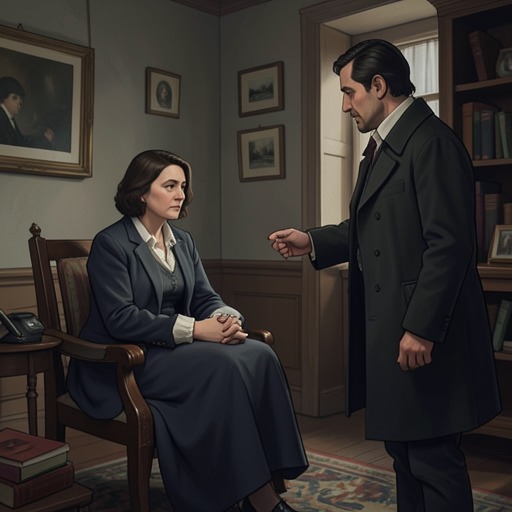
John and the narrator’s brother, both physicians, regard her condition as temporary nervous depression with a slight hysterical tendency. John does not believe she is truly sick, and his professional assurance carries particular weight because he is also her husband. Under the regimen, the narrator takes phosphates or phosphites, tonics, journeys, and exercise, while being absolutely forbidden to work until she is well again. She disagrees with this prescription: she believes congenial work, excitement, and change would help her, not harm her.
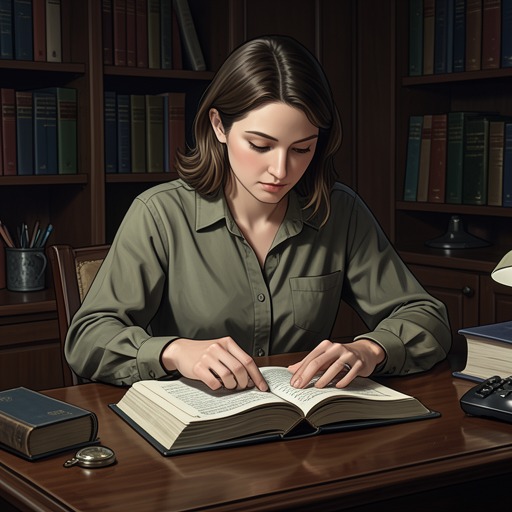
The ban turns writing into a clandestine activity. The narrator admits that she wrote for a while despite the prohibition, but says that doing so requires her to be sly or face heavy opposition, and that the effort exhausts her. When John approaches, she has to put her writing away because he hates to have her write even a word. She resumes at the window in the upstairs nursery when he is away, though lack of strength limits how much she can do. The act is therefore shaped by interruptions and surveillance as well as by the physical effort of writing.
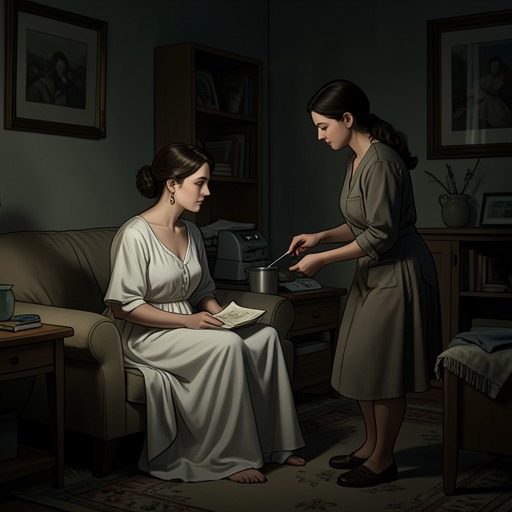
Jennie, John’s sister, adds another watchful presence in the house. The narrator calls her careful and affectionate, but still must make sure Jennie does not find her writing. Jennie is an enthusiastic housekeeper who, the narrator suspects, thinks writing made her ill. The narrator can write when Jennie is out and can watch her from the nursery windows as she approaches. The secrecy is not simply a private preference: it is the practical condition under which the narrator can preserve a pursuit that those around her regard as harmful.
Writing as Relief and Record
The narrator presents writing as a way to relieve the pressure of her ideas. She thinks that if she were well enough to write a little, it would ease that pressure and let her rest; instead, attempts to write leave her tired, and she lacks both advice and companionship about her work. The desire to write is thus caught in a difficult loop: the activity might bring relief, but her weakened condition makes the effort costly, while the prohibition forces her to perform it in secrecy.
Even as she begins to feel unable to write, the narrator insists that she must say what she feels and thinks in some way, because doing so is such a relief. The insistence does not mean writing remains easy or restorative. She immediately recognizes that the effort is becoming greater than the relief, and reports lying down much more often. These qualifications make the diary’s importance double-edged: it is a surviving channel for her thoughts, but not a cure, and the need to hide it increases the burden of using it.
The diary also preserves a first-person account that conflicts with John’s interpretation. He says that there is no reason for the narrator to suffer, and that belief satisfies him; she records that he does not know how much she really suffers. Later, when she asks to be taken away because she is not gaining, John replies that she is better, pointing to her flesh, color, and appetite. The narrator counters that she weighs no more, or less, and that her appetite is worse in the morning when he is away. Her writing holds these differing observations side by side, making her own reported experience visible even when her husband’s medical authority discounts it.
The Strain of the Regimen
The conflict becomes especially clear when the narrator asks John to leave the house. He refuses because their lease has three weeks left, repairs at home are unfinished, and he cannot leave town at that time. He says he would take her away if she were in danger, but insists that she is gaining whether or not she can see it. The narrator’s diary records both the explanation and her correction of his assessment, preserving a disagreement that his soothing certainty does not resolve.
John responds to her objection with affection, saying that she may be as sick as she pleases, then redirects the conversation toward sleep and postpones further discussion until morning. The exchange places tenderness alongside dismissal: his reassurance does not grant the narrator’s request or accept her account of her condition. Against this pattern, secret writing gives her a place to state what she thinks, though the fatigue it produces limits that act of resistance.
Persistence and Significance
Near the end of the available scenes, the narrator locks the door, throws the key into the front path, and says that she does not want to go out or have anyone come in until John arrives. She then records that she must get to work. The brief declaration returns writing to the foreground at a moment of deliberate separation from other people in the house: despite the effort and the prohibition, she persists in making a private account.
The practice matters not because the evidence presents it as a straightforward recovery, but because it lets the narrator articulate a view of her illness that the household’s treatment and medical judgments suppress. Its rhythm—writing, hiding the page, resuming when alone, and acknowledging exhaustion—turns the diary into a record of both agency and constraint. What begins as a forbidden source of relief becomes increasingly difficult to sustain, but the narrator’s repeated return to it ensures that her experience is not wholly replaced by John’s account of what is wrong or what should help.