
The Courage to Ask and Answer
Thirteen Reasons WhyThe novel contrasts indirect signs, explicit questions, and incomplete responses to show that support depends on listening beyond a person’s first hesitant words.
increasing Bearing strength in each event
 decreasing
Bearing strength in each eventdecreasingA Question About Friendship
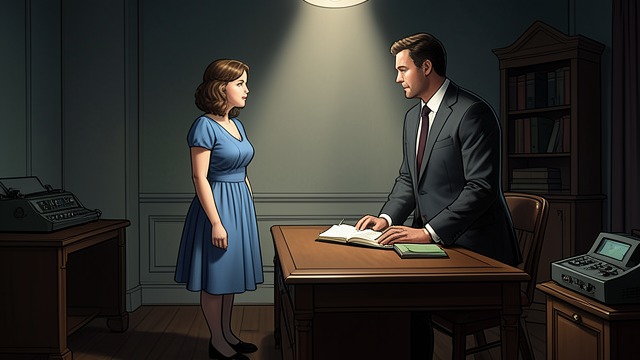
A Question About Friendship
Asking for a definition
Hannah asks Mr. Porter what makes someone a friend and says she has no one to turn to.
Her question is both philosophical and practical: she is testing whether he can become a reliable listener.
An opening to respond
Mr. Porter tells her he is glad she came, but the conversation must continue toward concrete support.
A Direct Statement

A Direct Statement
Words made unmistakable
Hannah says she needs everything to stop and acknowledges that she is speaking about her own life.
Mr. Porter recognizes the seriousness but moves toward questions about how the problem began.
Urgency beyond analysis
The scene shows that understanding the backstory cannot replace addressing immediate safety.
A Class Demands a Name
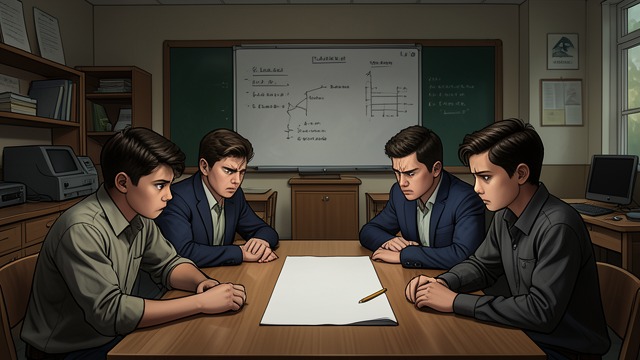
A Class Demands a Name
Help made conditional
Students in Mrs. Bradley’s class want to know who wrote the anonymous note before agreeing to discuss its subject.
Their demand for identification puts the burden on the vulnerable person rather than on the group’s willingness to listen.
Silence follows
Hannah does not reveal herself, and the discussion fails to become the support she hoped to find.
A Friend Waits at the Diner
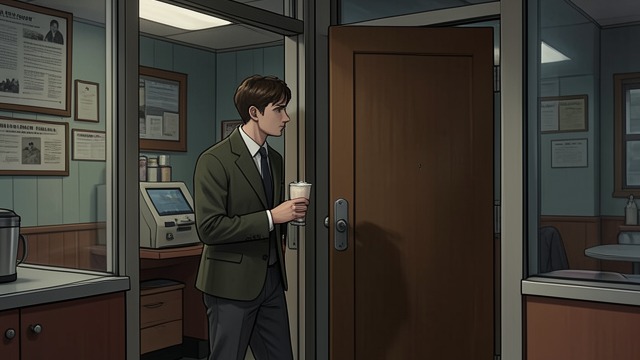
A Friend Waits at the Diner
Concern without pressure
Zach asks Hannah if she is all right and offers a milkshake after seeing her distress.
Because he does not demand an explanation, his offer leaves open a possibility of help without forcing disclosure.
A door not entered
Hannah cannot answer, illustrating that a person may be unable to accept support even when it is offered.
Clay Calls Skye
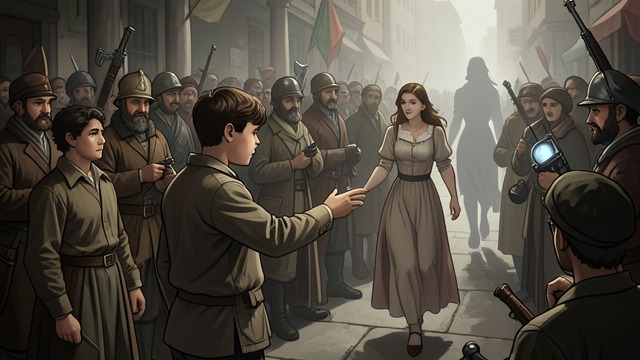
Clay Calls Skye
A hesitant invitation
Clay sees Skye leaving and must decide whether to remain safely silent or risk approaching her.
He calls her name after recognizing the pattern of people walking away without being heard.
Listening begins with contact
The ending does not promise a solution, but it makes attention and conversation possible again.
During Hannah’s last counseling meeting
Midway through the counseling conversation
During the suicide-topic discussion
After Marcus leaves Hannah alone
As the novel ends
