Hannah Baker—Clay Jensen
Thirteen Reasons WhyHannah Baker—Clay Jensen is a short-lived but consequential intimacy in which the possibility of being known gives way to a failure of care. At a party, Hannah arrives with Clay specifically in mind: she wants a real conversation with him, the kind they never managed at school or at work. They talk, laugh, and kiss; for a moment, she experiences their closeness as a chance to start over. But when she tells him to stop, Clay leaves. Hannah’s later account of the night, heard by Clay on her tapes, turns a missed moment into the central wound of their relationship: she needed him, and he knew it, but fear made him go.
The Long-Awaited Conversation
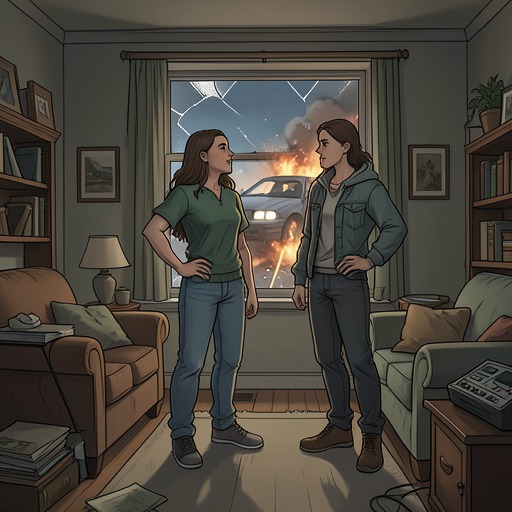
Hannah says the party could have been any party except for Clay. By the time she arrives, he has become just another person in the room to everyone else, but he is the reason she came. With everything happening in her life and in her head, she wants to talk with him—really talk, and ask who he is. The chance feels precious partly because they have never seemed to find it at school or at work. Yet Hannah is afraid she has no chance with him, and that fear holds her back even when they are finally together.
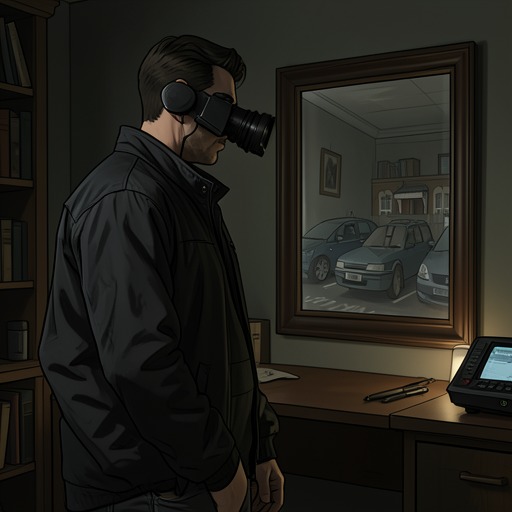
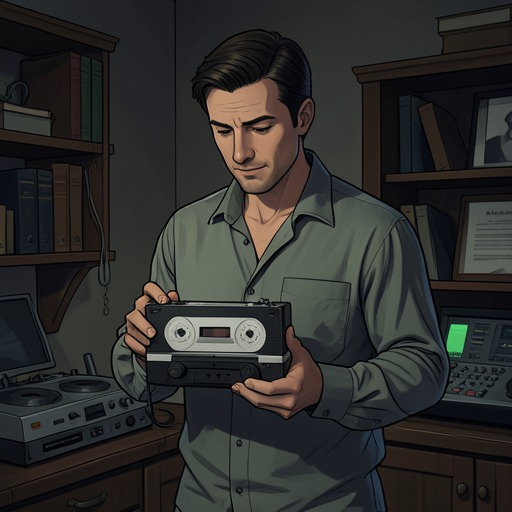
Their conversation begins with an ease that surprises Hannah. There is room at the other end, so they sit down, set their cups aside, and start talking. The questions are personal, like catching up after the time they have let pass, but they do not feel intrusive. Hannah wants Clay to know her. In the tape’s playback, Clay listens with his hands cupped over his ears, trying to hold on to her words. The difference between the two moments is stark: what Hannah experienced as a welcome opening is, for Clay, now an account he can hear only after she is gone.
Closeness and the Kiss
As the conversation continues, Clay makes Hannah laugh. She remembers him as exactly what she needed, and the two move from talking to kissing. The scene is tender and physically close: they lie on the bed, one of Clay’s hands resting on her hip and his other arm cradling her head; Hannah hugs him and tries to draw him closer. She wants more. For Clay, the kiss carries a mixture of happiness and sadness: he is glad they have found each other at last, but grieves that it took him so long to get there. Hannah, meanwhile, feels the kisses as first kisses—as if she could begin again with him.
That sense of possibility is complicated by memory. While kissing Clay, Hannah thinks of Justin, her first kiss, and remembers how he ruined it. The past breaks into the new closeness before she can keep the two separate. Hannah’s account shows Clay and Justin occupying very different places in her experience: Clay offers a moment that feels restorative, while the memory attached to Justin changes what that moment means. The scene’s tenderness is real, but it does not make Hannah’s earlier hurt disappear.
The Stop and the Departure
Hannah first tells Clay to stop, and her hands stop pulling him toward her. Clay pushes his hands against her chest. When she repeats the word, she moves her hands under his chest and pushes him away, then turns aside and buries her face in the pillow. She asks him to leave. He begins to talk, she makes him stop, and when he starts again she screams into the pillow. Clay finally falls silent and hears her.
Hannah’s account makes the distinction between the two moments of refusal concrete: she says stop, then repeats it while physically pushing Clay away. Her response after that is not an invitation to continue the conversation on his terms; she asks him to go and screams when he does not stop talking. Clay eventually leaves, and Hannah remains with her face buried in the pillow. In the remembered scene, she is hoping he will tell her to stop leaving—to stay rather than go. The light under the door brightens as he opens it and fades after he is gone. What she cannot bring herself to ask directly is the care she wants him to offer.
Clay later describes his own recognition with devastating clarity. He asks himself why he listened and why he left her there: she needed him, and he knew it. But he was scared, and, once again, he let himself get scared. Afterward, he slides from the bed to the floor, sits beside it with his knees hugged to his chest, and cries. His distress does not undo Hannah’s isolation in the moment. The gap between what he feels afterward and what he does while she is asking him to leave is the defining rupture between them.
The Night Revisited
Clay says he had liked Hannah from far away for a long time, but never found a chance to tell her. They had one night together, and by its end he felt he knew her even less than before. Listening to the tapes changes that understanding. He now knows where her mind was that night and what she was going through. When he says this to Tony, his voice breaks, and tears follow. Tony does not answer; he looks out at the empty street and lets Clay sit in the car and miss her.
The tapes therefore make the relationship both an intimate encounter and a belated act of witnessing. Hannah had wanted Clay to know her during the party; he understands more fully only after hearing her describe it. His grief is bound up with that timing. He misses Hannah, but he also mourns the chance they had to reach each other and the fact that he left when she needed him to stay. The relationship’s tenderness and its failure remain together rather than canceling each other out.
A Need for Help, and an Unresolved Account
Elsewhere in Hannah’s account of the night, she stands by the bed, steadies herself with one hand, and begins walking toward the sliver of light beneath the door. Clay’s shoes are still visible outside: after leaving the room, he has taken up a post just beyond it. Hannah is not sure what she will say when she opens the door, but she moves toward him. Then two more shoes come into view, and she stops. The scene complicates the memory of Clay’s departure: he remains outside, but his presence does not become the conversation Hannah had wanted or the support she needed.
Hannah also describes a separate encounter with a boy at a party to Mr. Porter. Asked whether anything happened that might be illegal, she answers that she does not think so, but cannot say with certainty. Mr. Porter offers two possibilities: confronting the boy, or moving on. This exchange matters to the relationship because it places Hannah’s uncertainty and need for a response alongside the night’s unresolved question of what care should have looked like. It does not establish a legal conclusion, and it should not be collapsed into Clay’s encounter with her: Hannah’s account distinguishes the boy in that conversation from Clay, whom she says she did not tell to get away. The contrast makes the central failure sharper, not simpler. Clay is not the boy she describes in that separate exchange, but with Clay she does say stop, push him away, and ask him to leave; afterward, she wishes he had understood that she needed him not to abandon her. Their connection remains defined by the difference between physical refusal, emotional distress, and the help Hannah hoped Clay would recognize she needed.