Rats
To the LighthouseRats are part of the natural life that overtakes the Ramsays’ abandoned house in To the Lighthouse. Their movement through its attics and walls makes decay tangible, as domestic space once shaped by human use becomes habitat for animals and a landscape beyond human control.
Presence in the House
When Mrs McNab inspects the neglected nursery, she finds damp, falling plaster and rats in the attics. Their presence belongs to a larger burden of disrepair: rain enters, locks are missing, and doors bang. The house is too much work for one woman, and she eventually locks it and leaves.
Agents of Material Decay
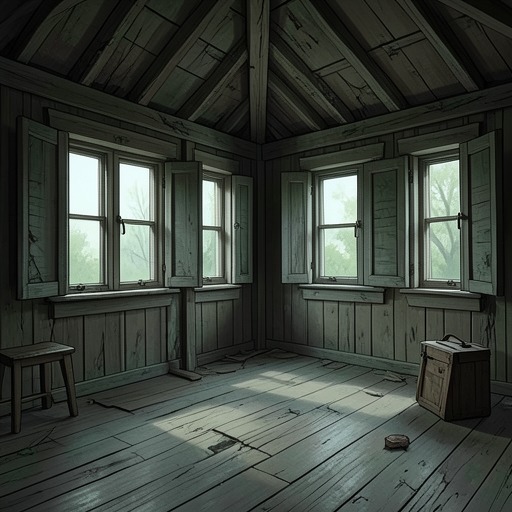
After the house is deserted, rats carry things away to gnaw behind the wainscots. This small, persistent activity joins the spreading damage around them: the saucepan rusts, the mat decays, toads enter, swallows nest in the drawing-room, and plaster falls from the walls. Rather than a single destructive event, the rats’ work is one element in a gradual transformation of the house.
Nature and Human Absence
The narrative places the rats among creatures and plants that proceed without regard for the human lives once housed there. The Lighthouse beam briefly looks over the rat, the swallow, the thistle, and the straw with equanimity; nothing in the rooms can now resist their presence. Rats thus contribute to the passage’s vision of a home relinquished to nature, where human abandonment and ordinary animal life meet in the same accumulating ruin.