
Religion, Conscience, and Self-Deception
Uncle SilasThe novel tests religious language against action, leaving Maud to distinguish spiritual uncertainty from moral responsibility.
increasing Bearing strength in each event
 decreasing
Bearing strength in each eventdecreasingA Swedenborgian Household
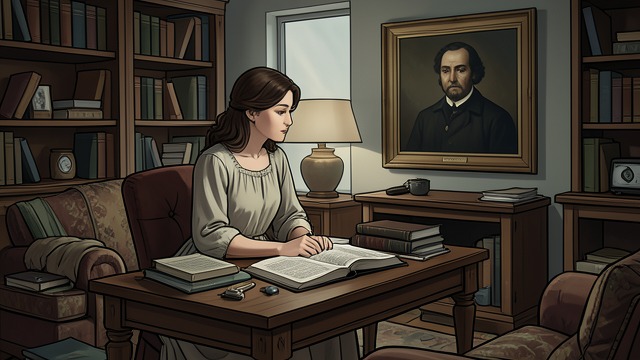
A Swedenborgian Household
Belief at a Distance
Austin Ruthyn’s Swedenborgian beliefs shape the household’s language about spirits, death, and unseen worlds, though Maud receives little direct instruction.
Wonder and Unease
Religious imagery gives comfort as well as fear, making supernatural explanations part of Maud’s emotional vocabulary.
Bryerly’s Practical Faith
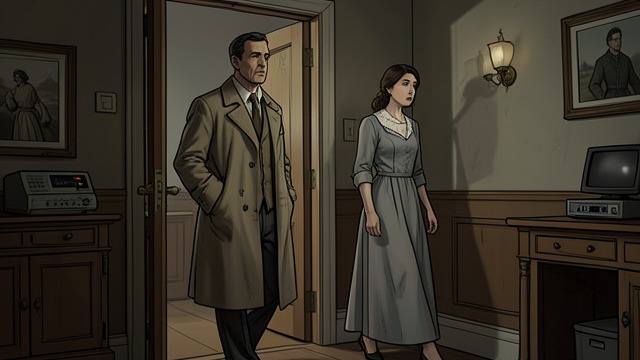
Bryerly’s Practical Faith
Duty in Action
Doctor Bryerly attends to Austin’s will, warns Maud about the guardianship, and later offers help without demanding that she trust him blindly.
Belief Tested by Conduct
His plain manner contrasts with Silas Ruthyn’s eloquent spirituality, suggesting that moral faith may be measured more reliably by action than by style.
Silas’s Religious Performance
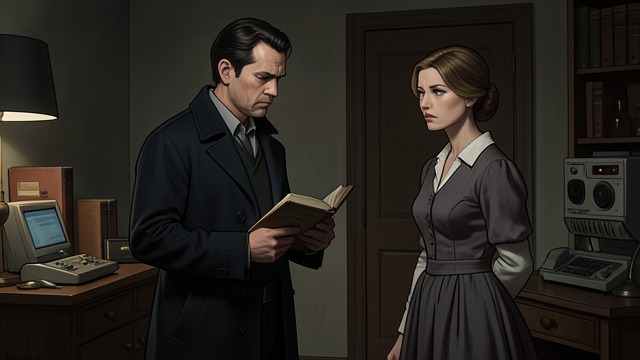
Silas’s Religious Performance
Scripture and Authority
Silas Ruthyn invokes the Bible and spiritual discipline while claiming authority over Maud’s choices and criticizing those who question him.
Contradiction Deepens
His moral language becomes increasingly difficult to reconcile with financial exploitation, secrecy, and the conspiracy against his ward.
A Plea in the Dark
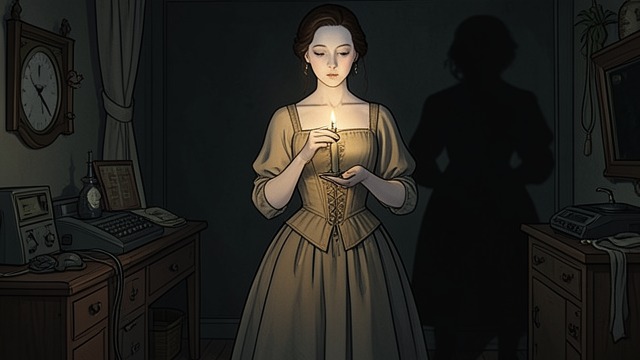
A Plea in the Dark
Faith Under Pressure
As Maud confronts the threat of death, she appeals to God and to Austin Ruthyn’s memory, asking Silas Ruthyn to choose mercy.
No Simple Explanation
Her prayers do not immediately prevent the crime, but they mark the moral difference between desperate hope and the conspirators’ calculated action.
Judgment Without Certainty
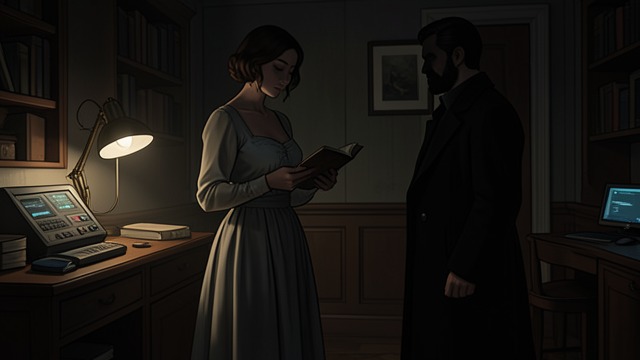
Judgment Without Certainty
An Unanswered Question
Maud wonders whether Silas Ruthyn’s religion was hypocrisy, partial sincerity, or a belief gradually defeated by temptation.
Ethical Clarity
She cannot pronounce on his soul, yet she can identify his actions as betrayal. The ending preserves spiritual uncertainty while insisting on accountability.
During Maud’s childhood at Knowl
After Austin Ruthyn’s death
During Maud’s residence at Bartram-Haugh
During the attempted murder
In the conclusion, after Silas Ruthyn’s death
