
Cromwell’s Rise from Putney
Wolf HallThis thread traces how a battered blacksmith’s son turns survival, travel, and practical intelligence into royal power.
increasing Bearing strength in each event
 decreasing
Bearing strength in each eventdecreasingThe Yard and the Road
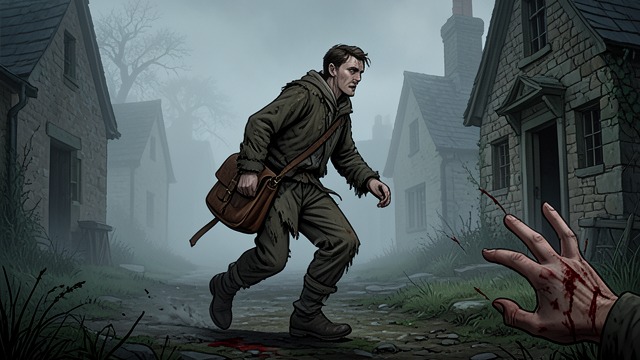
Flight from Putney
Violence and escape
Walter Cromwell beats his son nearly senseless. The boy leaves home with money from Kat Cromwell and Morgan Williams, carrying the memory of violence and the resolve to find a different life.
First skills
On the road and at Dover, he earns food through quick observation, card tricks, and useful work. His survival depends on reading people and adapting faster than they expect.
The Cardinal’s Man
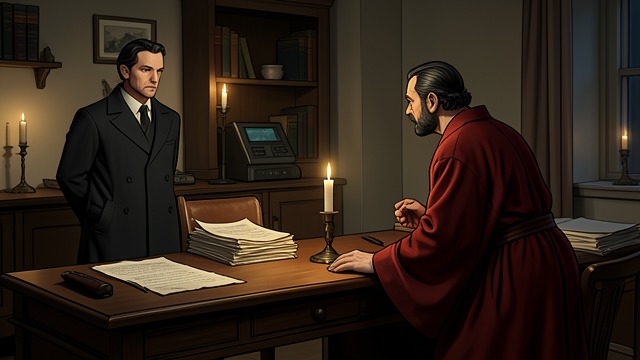
A Place at Court
Service and competence
By 1527, Thomas Cromwell is a lawyer, trader, and trusted man of business to Thomas Wolsey. He handles information, money, and negotiation across social worlds that rarely meet.
A future opening
Wolsey’s confidence gives Cromwell influence but also binds his prospects to his patron’s fortunes. He watches the king’s marriage crisis while preparing to act when opportunity arrives.
A New Centre of Power
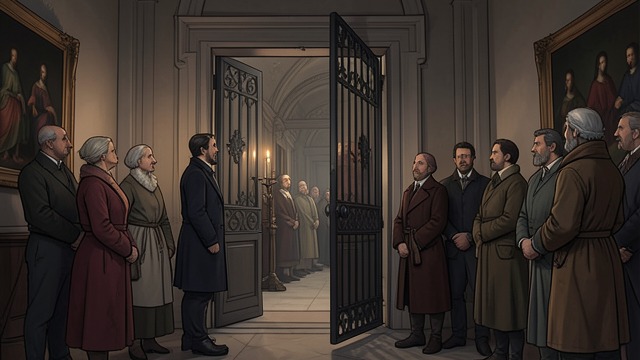
The King’s Secretary
Authority accumulated
After Wolsey’s fall and death, Cromwell becomes central to Henry VIII’s government. He directs legislation, gathers intelligence, manages appointments, and serves as the king’s practical interpreter.
Power with a cost
His rise brings influence and wealth, but also enemies and responsibility for coercive policies. The boy who once fled authority now helps define the limits of what subjects may say against it.
Putney, around 1500
London, 1527
Westminster, 1535
