
Cromwell and Gardiner’s Contest
Wolf HallThis thread follows the changing contest between Cromwell and Gardiner, from rivalry under Wolsey to competition within Henry’s government.
increasing Bearing strength in each event
 decreasing
Bearing strength in each eventdecreasingRivals in Wolsey’s House

Competing Servants
Rivalry for access
Stephen Gardiner resents Cromwell’s closeness to Wolsey and his knowledge of the wool trade. Cromwell is aware of Gardiner’s insecurity and does not conceal that he understands more of the secretary’s background than Gardiner would like.
Unequal temperaments
Gardiner relies on canon law and institutional status; Cromwell works through practical intelligence and negotiation. Their hostility becomes part of the political landscape that follows Wolsey’s fall.
The Secretary’s Warning
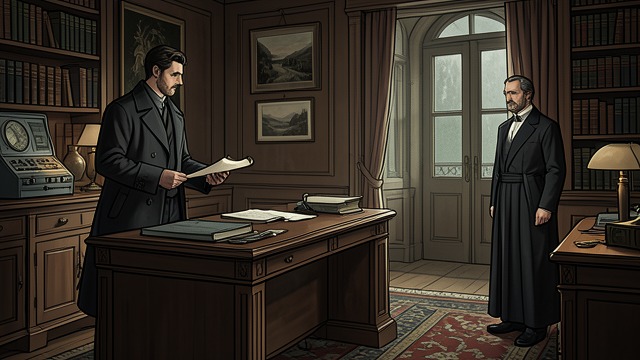
Office and Ambition
A threat of ruin
Gardiner warns Cromwell that he is a nobody and threatens his position. Cromwell answers without openly submitting, while recognizing the bishop’s access to the king and ability to obstruct reform.
Tactical accommodation
Cromwell advises Henry to keep Gardiner in office when dismissal might damage the king’s reputation. He treats the conflict as something to manage, not merely a personal feud.
A Shifting Balance
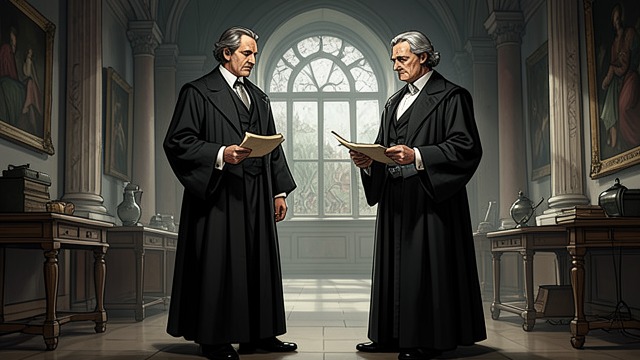
Two Political Styles
Competing service
Gardiner resists legislation that diminishes clerical authority, while Cromwell advances royal supremacy and Parliament’s role. Their contests increasingly concern the shape of the state.
Neither side secure
Henry alternately favours and frustrates each man. Cromwell can impose political costs, but Gardiner’s church office and royal connections keep him dangerous.
1527
1530–1532
1534–1535
