
The Map That Is Not on Paper
Wolf HallThis thread follows Cromwell’s effort to understand England as a changing territory rather than a static inheritance.
increasing Bearing strength in each event
 decreasing
Bearing strength in each eventdecreasingTravel as Knowledge
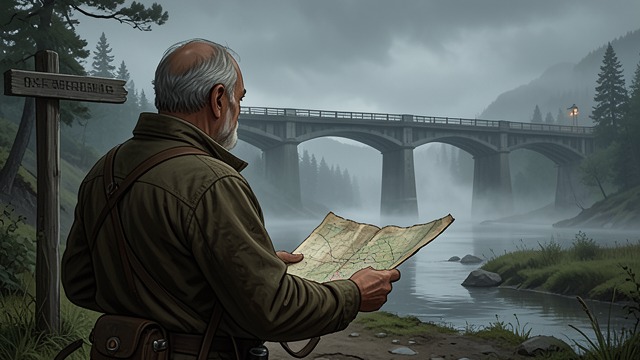
Seeing Beyond the Island
A traveller’s geography
Cromwell’s journeys through France, Italy, and the Low Countries give him a sense of routes, ports, markets, and political distance. He remembers places through experience rather than inherited maps.
Practical limits
English maps often mark castles and parks but fail to guide travel. Cromwell imagines more useful records of bridges, roads, rivers, and distances.
The Kingdom in His Head
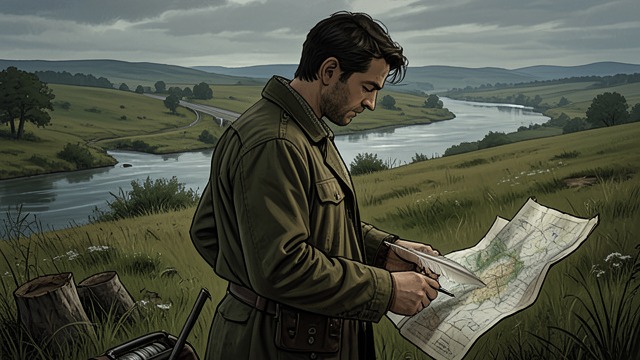
A Mental Survey
Moving through political space
Cromwell calculates how weather, roads, rivers, and local loyalties affect royal travel and military supply. He keeps a mental map that joins geography to power.
A changing landscape
Rivers shift and roads flood; estates and boundaries change through law and force. The land cannot be governed merely by inherited descriptions of it.
The Royal Progress
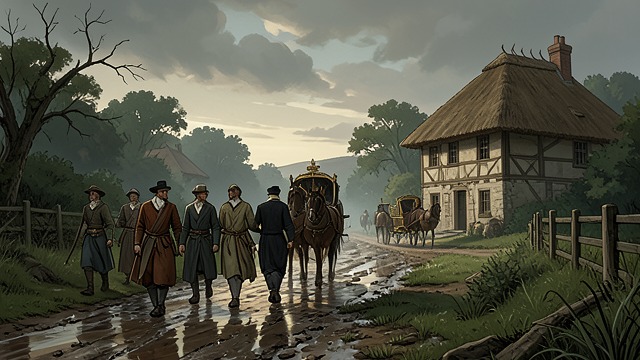
Routes and Relationships
Planning the king’s journey
Cromwell plots the royal itinerary through roads and bridges, allowing for rain and slow travel. The itinerary is also a sequence of hosts, obligations, and political encounters.
A destination gains meaning
He marks a detour to Wolf Hall before the court returns to Windsor. The route turns geography into narrative expectation, bringing a new household into view.
Early sixteenth century
1533–1535
Summer 1535
