
The Dead Who Remain Present
Wolf HallThis thread traces how the living continually reinterpret, remember, and sometimes exploit the dead.
increasing Bearing strength in each event
 decreasing
Bearing strength in each eventdecreasingFamily Deaths and Ritual
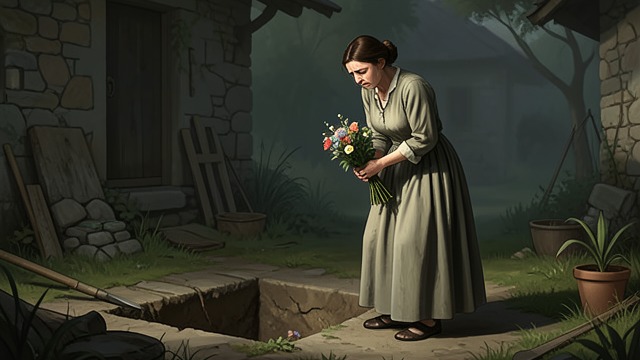
Grief and Burial
Loss without time
Liz and Cromwell’s daughters die during epidemics, and later Kat and other relatives are lost. Household rituals and hurried burials cannot contain the scale of grief.
Memory as continuing work
Cromwell preserves names, objects, and stories. The dead remain active in his thoughts, not as a doctrine he can prove but as a pressure on the present.
Wolsey’s Last Journey
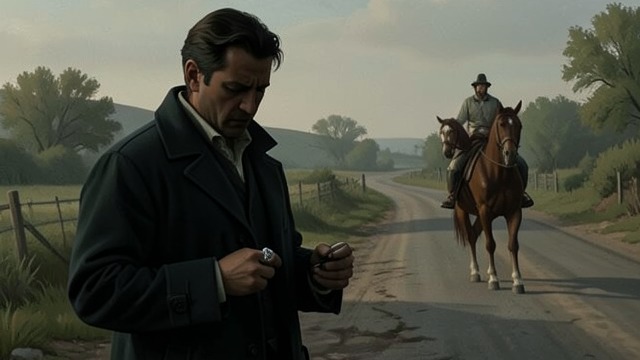
A Patron Made Absent
Death and testimony
Wolsey dies on the road, far from the tomb he had commissioned. George Cavendish later recounts his final words and suffering, giving the dead cardinal an afterlife in narrative.
Cromwell’s response
Cromwell carries the ring and memory of his patron into new service. Wolsey’s presence remains a guide and a warning about the instability of royal favour.
More’s Final Words
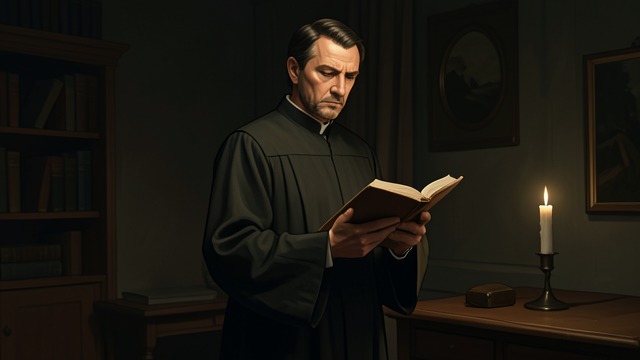
The Dead in the Record
A contested ending
More dies after refusing the king’s authority over the church. His prayer book and writings pass into the hands of others, who will shape how his resistance is remembered.
A struggle over interpretation
Cromwell recognizes that the dead can be made to serve later causes. The question is not only how More died, but who will control the meaning of his silence and words.
1529–1530
1530
July 1535
