
Memory as a Political Instrument
Wolf HallThis thread traces Cromwell’s use of memory, images, and records to understand people and shape events.
increasing Bearing strength in each event
 decreasing
Bearing strength in each eventdecreasingLearning the Art

Images in the Mind
A trained memory
Cromwell learns to attach information to vivid and sometimes absurd images placed in imagined locations. The technique helps him retain figures, names, and arguments.
A method of attention
Memory is not mere storage. It requires selection and interpretation, allowing Cromwell to retrieve what matters while reading the shifting world around him.
The Dead at the Banquet
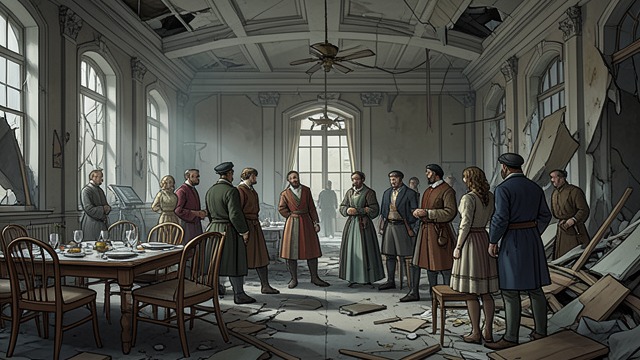
The Memory of Simonides
A story that instructs
Cromwell and Cavendish recall Simonides identifying the dead after a banquet hall collapses. Memory preserves faces and places when bodies can no longer be recognized.
Politics as arrangement
Cromwell thinks of councils and households as seating plans. He knows that a surviving witness can name what a collapsing institution leaves behind.
A Mind Under Strain
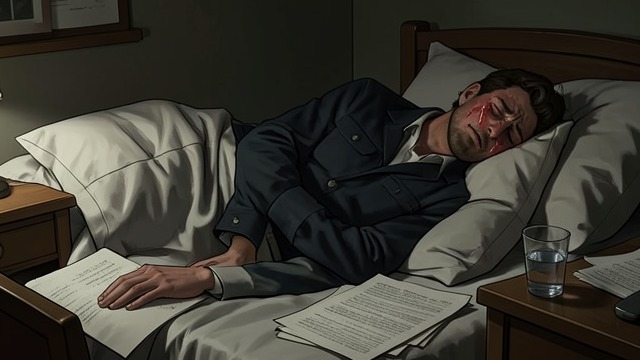
The System Falters
Fever and confusion
Cromwell’s ledgers and remembered images blur during an Italian fever. The device that usually organizes events cannot reliably separate memory, dream, and present experience.
Limits of mastery
He needs other people to keep the work moving. The episode reveals that memory can serve power, but cannot protect its owner from illness or the instability of consciousness.
During Cromwell’s years in Italy
All Hallows 1529
1535, during illness
