
Utopia Against the Common Good
Wolf HallThis thread follows the novel’s recurring question of whether an ideal commonwealth is possible amid poverty, religious coercion, and political ambition.
increasing Bearing strength in each event
 decreasing
Bearing strength in each eventdecreasingMore’s Island and the Real Realm

Utopia as a Measure
An imagined commonwealth
More’s Utopia offers a language for criticizing the institutions of England. Cromwell sees the ideal as intellectually powerful but questions whether it can be inhabited.
Reform in practice
Cromwell’s attention turns to wages, trade, poor relief, education, and law. He is drawn to changes that might improve life without pretending conflict can be abolished.
The Poor in the Political Ledger
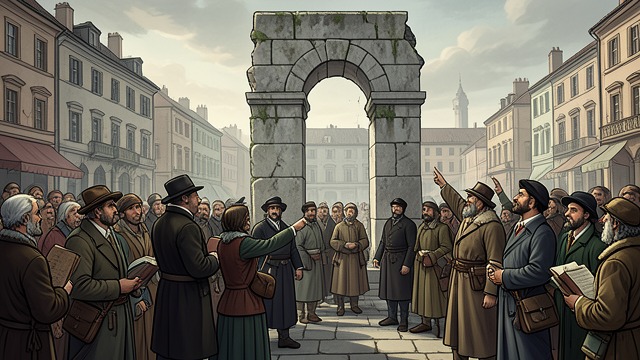
Common People as Subjects
Law beyond elites
Cromwell argues that ordinary men and women can swear valid oaths and participate in the kingdom’s political settlement. He imagines literacy and legal protection extending beyond the nobility.
A practical reformer
His concern for the poor coexists with royal service and coercive statutes. The common good remains both a genuine aspiration and a justification that power can misuse.
An Unfinished Possibility

England Could Be Otherwise
Reform and resistance
Cromwell believes that English readers can encounter scripture directly and that government can be made more accountable. He sees a possible future beyond inherited ecclesiastical authority.
No easy resolution
Poverty, executions, and political fear remain part of the world he is building. The ideal commonwealth appears not as a completed destination but as a possibility continually compromised by power.
1527–1530
1532–1534
1535
