
Cromwell and the English Reformation
Wolf HallThis thread follows Cromwell’s movement from cautious evangelical inquiry to building royal control over church and religious life.
increasing Bearing strength in each event
 decreasing
Bearing strength in each eventdecreasingReading Beyond Orthodoxy
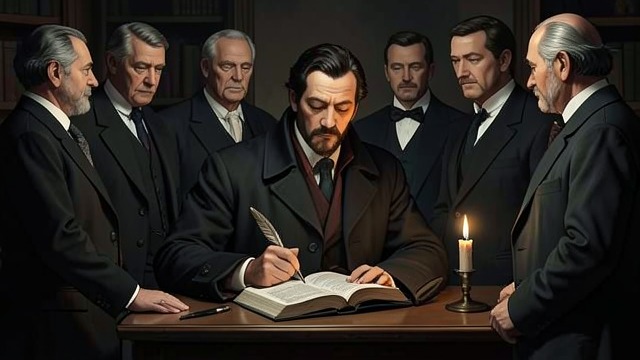
Scripture and Doubt
A private reorientation
Cromwell reads German religious writing and keeps William Tyndale’s English New Testament. He questions doctrines and institutions that he cannot locate in scripture, while protecting his household from the dangers of open dissent.
A divided position
He remains Wolsey’s servant and a public participant in an orthodox world. His interest in reform is intellectual, personal, and politically risky rather than a simple declaration of allegiance.
Reform Through Parliament

Church Courts Challenged
Legislation takes shape
Cromwell helps shape parliamentary attacks on ecclesiastical jurisdiction and the payment of annates to Rome. The process turns arguments about church reform into institutional change.
Resistance and leverage
Stephen Gardiner opposes measures that threaten clerical authority. Cromwell answers through legal drafting, parliamentary procedure, and the king’s growing willingness to assert control.
A Royal Church

Supremacy Defined
New authority
The Act of Supremacy declares Henry head of the English church, while a new treason law makes malicious denial of royal titles punishable. Cromwell helps convert claims of sovereignty into enforceable rules.
Consequences for conscience
The new settlement asks subjects to choose between political obedience and religious judgment. The state’s language of clarification increasingly carries the force of coercion.
1527
1532
1534
