
Wolsey’s Monastic Reform and Its Legacy
Wolf HallThis thread traces how a reform programme meant to fund education becomes entangled with royal appetite for church wealth.
increasing Bearing strength in each event
 decreasing
Bearing strength in each eventdecreasingClosing the Small Houses

Reform Through Suppression
Wolsey’s rationale
Wolsey seeks to combine poorly run small monasteries with larger houses and redirect revenues to education. Cromwell handles the practical and legal work, while believing the plan can improve the church.
Opposition grows
Nobles resent the transfer of property and accuse Wolsey of overreach. Their complaints obscure the colleges and scholars the revenues are intended to support.
The Colleges at Risk
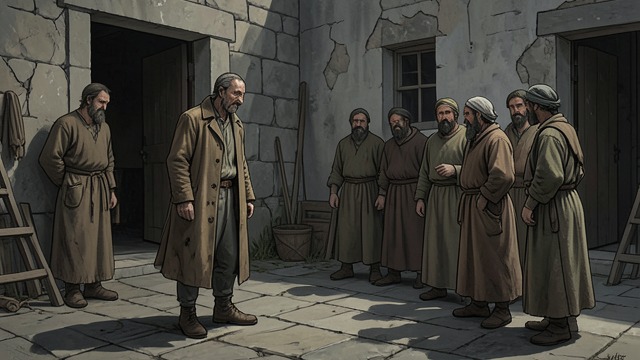
Saving Wolsey’s Foundations
A patron’s request
After Wolsey falls, he asks Cromwell to protect the colleges. Cromwell works to preserve the Oxford foundation but finds little hope for the school at Ipswich.
The king’s interests
Henry increasingly views the institutions as sources of plate, books, income, and land. Educational purpose competes with royal need and the desire to punish a disgraced minister.
The Visitor’s Authority

Reform Becomes a Survey
Inspection under royal power
As Vicegerent, Cromwell sends commissioners to inspect religious houses and record their wealth. Reports once gathered for reform now help the crown understand what it can control.
A consequential change
The process prepares the broader dissolution of monasteries. Cromwell’s administrative method makes a transfer of religious property possible on a scale Wolsey could not have directed.
1524–1529
1529–1531
1535
