
The Ordinary Work of Survival
Wolf HallThis thread follows the practical labor of food, craft, and household management that sustains people beneath the spectacle of kingship.
increasing Bearing strength in each event
 decreasing
Bearing strength in each eventdecreasingKitchen Skills
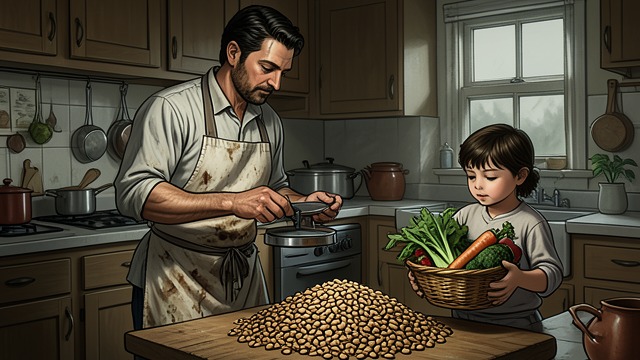
Work Before Status
Learning practical tasks
Cromwell learns to count provisions, recognize weights, and help manage kitchen stores. Children carry food, clean equipment, and make themselves useful to remain fed and sheltered.
Knowledge from labor
He learns that institutions run through small tasks and human judgment. The insight later informs his attention to accounts, servants, supplies, and the daily needs of a household.
The Household in Scarcity
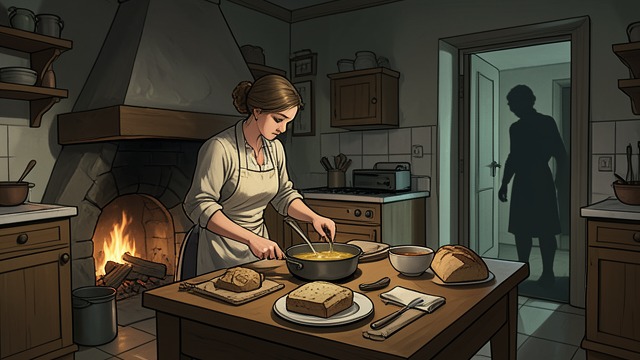
Feeding People Through Change
A kitchen as refuge
At Austin Friars, cooks prepare food for relatives, servants, scholars, and visitors. During mourning and economic uncertainty, the kitchen remains one of the household’s central forms of care.
Food and status
Meals reveal political rank and personal affection, but also scarcity and waste. Cromwell pays attention to what people eat because survival is never an abstract matter.
Work Continues After Death

Administration on an Ordinary Day
Records and errands
Even after executions and political crises, letters arrive about fish traps, imports, appointments, and money. Cromwell’s clerks keep the machinery moving through routine tasks.
The ordinary beneath history
The kingdom’s transformations depend on people carrying messages, cooking meals, repairing buildings, and keeping accounts. Their work does not stop when rulers die or laws change.
Cromwell’s youth in Lambeth
1530–1533
1535
